
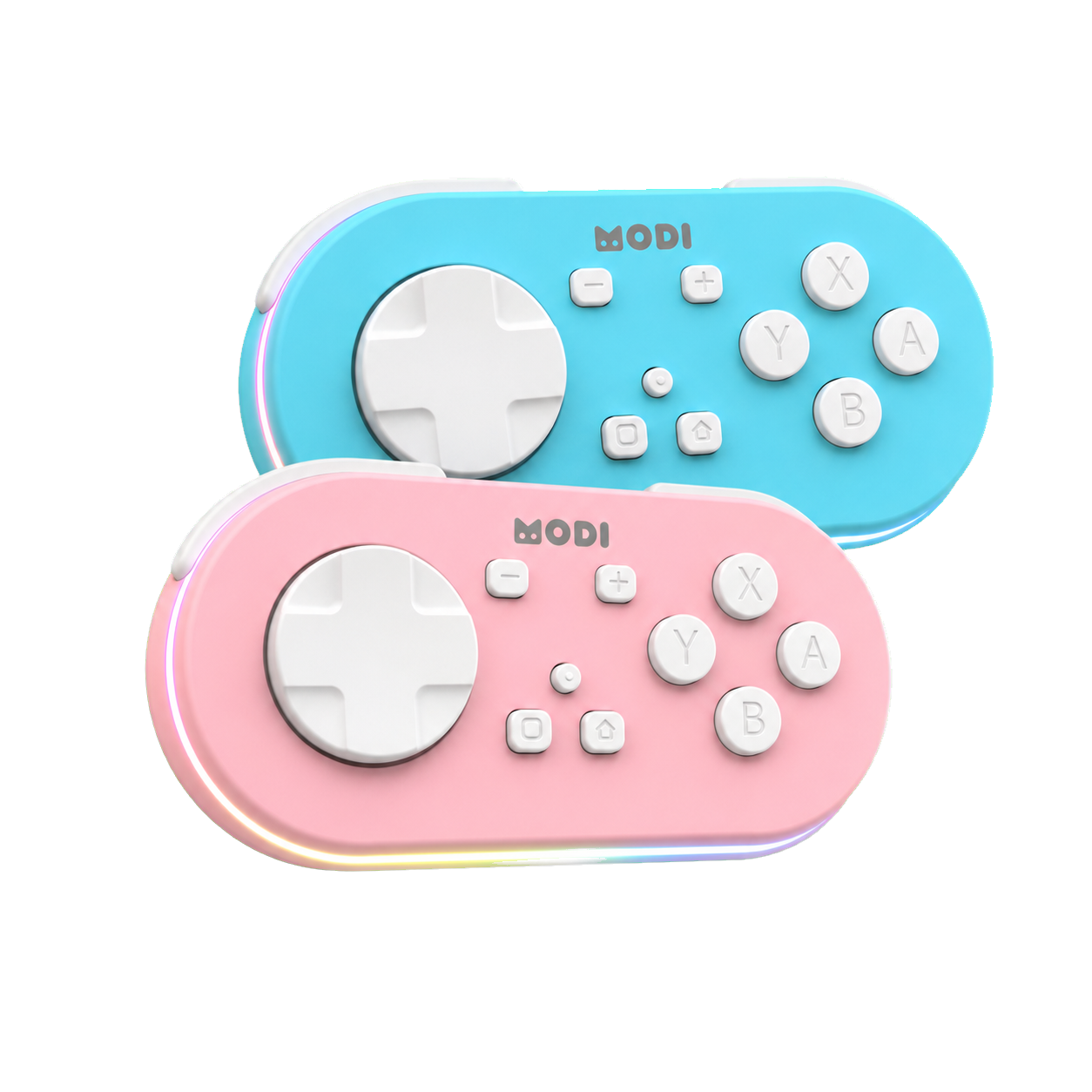
If a MODI Anki remote pairs with Linux but does not control desktop Anki, start with four checks: the Bluetooth adapter is powered, old MODI pairings are removed, the remote is in Keyboard Mode, and Anki has keyboard focus. MODI is an independent Bluetooth accessory, not an official Anki product, so troubleshooting has to separate the remote connection from Linux Bluetooth behavior and Anki’s own keyboard handling.
If a MODI Anki remote pairs with Linux but does not control desktop Anki, start with four checks: the Bluetooth adapter is powered, old MODI pairings are removed, the remote is in Keyboard Mode, and Anki has keyboard focus. MODI is an independent Bluetooth accessory, not an official Anki product, so troubleshooting has to separate the remote connection from Linux Bluetooth behavior and Anki’s own keyboard handling.
For the documented desktop workflow on Linux, MODI uses Keyboard Mode with preset inputs and does not require the optional desktop Anki add-on. Open Bluetooth settings, hold A + Home for one second, and select the MODI connection; a solid green center LED confirms Keyboard Mode. If you are switching from another mode or host device, use the forget-and-repair process before assuming a hardware fault. The complete MODI setup tutorial has the full setup sequence.
Adapter
First confirm that Linux can actually use its Bluetooth adapter. Distribution tools vary, but the same basics apply: Bluetooth must be enabled, the adapter must not be blocked by airplane mode, and the system should be scanning for nearby devices. If your desktop environment shows Bluetooth as unavailable, solve that adapter or service state first. MODI cannot pair through software that is disabled or a radio that the operating system is not presenting.
If Linux sees other Bluetooth devices but not MODI, put the remote back into pairing mode instead of waiting for an automatic reconnect. Press Home to wake it, then start the Keyboard Mode pairing command again with A + Home for one second. If the remote previously slept after being idle or disconnected, waking it is normal behavior. A quick red flashing low-battery indicator means charge before continuing.
Variation
Linux Bluetooth menus are not identical across GNOME, KDE, Cinnamon, Xfce, and distribution-specific settings panels. Some show a game controller icon, some show a keyboard-like device, and some expose pairing and connection as separate actions. Treat the label as less important than the mode and result. For desktop Anki’s default MODI workflow, the connection should be created from the Keyboard Mode pairing command and confirmed by the remote’s green center LED.
Because distribution behavior varies, avoid diagnosing from a single menu name alone. Check whether the device is paired, whether it is also connected, and whether Linux accepts input from it after pairing. If your distribution keeps multiple remembered entries with similar names, remove them before testing again. Stale saved records can make Linux reconnect to the wrong profile or leave the remote connected but unresponsive in the application you are trying to control.
Pairing
A fresh pairing is the cleanest next step when MODI appears in Bluetooth settings but Anki does not respond. Forget every saved MODI or Anki remote entry in Linux Bluetooth settings, then repeat the documented Keyboard Mode pairing steps. This is especially important after using Switch Mode on a phone, tablet, or another computer. Moving between modes or devices should begin by clearing saved Bluetooth records and pairing again.
After pairing, look for the solid green center LED. That confirms the remote connected in Keyboard Mode, the mode intended for macOS, Windows, and Linux desktop use with preset keybindings. If the center LED is solid blue, the remote is in Switch Mode instead, which is used for gamepad-style inputs and custom remapping workflows. For a basic desktop Anki setup on Linux, return to Keyboard Mode before testing Anki controls.
Input Test
Before blaming Anki, test whether Linux is receiving input at all. Open a plain text field or a simple application that reacts to keyboard navigation, then press buttons that should send common keys such as Spacebar or direction-key inputs. Desktop Anki itself supports keyboard controls including Space or Enter to reveal an answer or choose Good, and number keys for answer buttons when those buttons are available.
The input test narrows the problem. If Linux receives MODI input outside Anki, the Bluetooth connection is probably working and the next checks belong inside Anki or the active window. If no application receives input, return to Bluetooth pairing, mode, adapter state, and battery state. Do not assume every failure comes from the remote; saved pairings, host Bluetooth behavior, and the current input profile can all affect the result.
Focus
When the input test works but Anki does nothing, check focus. Desktop Anki must be the active application, and the review screen must be ready to receive keyboard commands. A dialog box, browser window, add-on window, card browser, or another desktop app can capture input first. Click back into the review screen and test a simple reveal or answer action before changing any remote settings.
Also confirm you are testing a card state that supports the command you expect. Some Anki keyboard shortcuts apply before an answer is shown, while answer-button choices apply after the answer is visible. If Spacebar works on the keyboard but not from MODI, repeat fresh pairing in Keyboard Mode. If neither the keyboard nor MODI controls the current screen, the issue is likely Anki focus, card state, or desktop input routing.
Remapping
Most Linux desktop users should troubleshoot the default Keyboard Mode path before installing or changing anything else. The optional MODI Anki add-on is for desktop users who want custom remapping through Anki, and it is not required for the standard Keyboard Mode workflow. Add-ons extend desktop Anki and may need attention after Anki changes, so they should not be the first explanation for a basic pairing failure.
If you have installed the MODI add-on and custom mappings, separate that layer from Bluetooth testing. First verify that Linux receives input and that Anki responds to ordinary keyboard controls. Then open the MODI Anki Remote configuration in desktop Anki and check whether the mapped actions match your intended review buttons. If problems began after switching modes, clearing saved Bluetooth entries and pairing again is still the better diagnostic step.
Sources and product references
This first-party MODI guide was checked against the current product manual and relevant app documentation. App menus and third-party behavior can change after publication.