
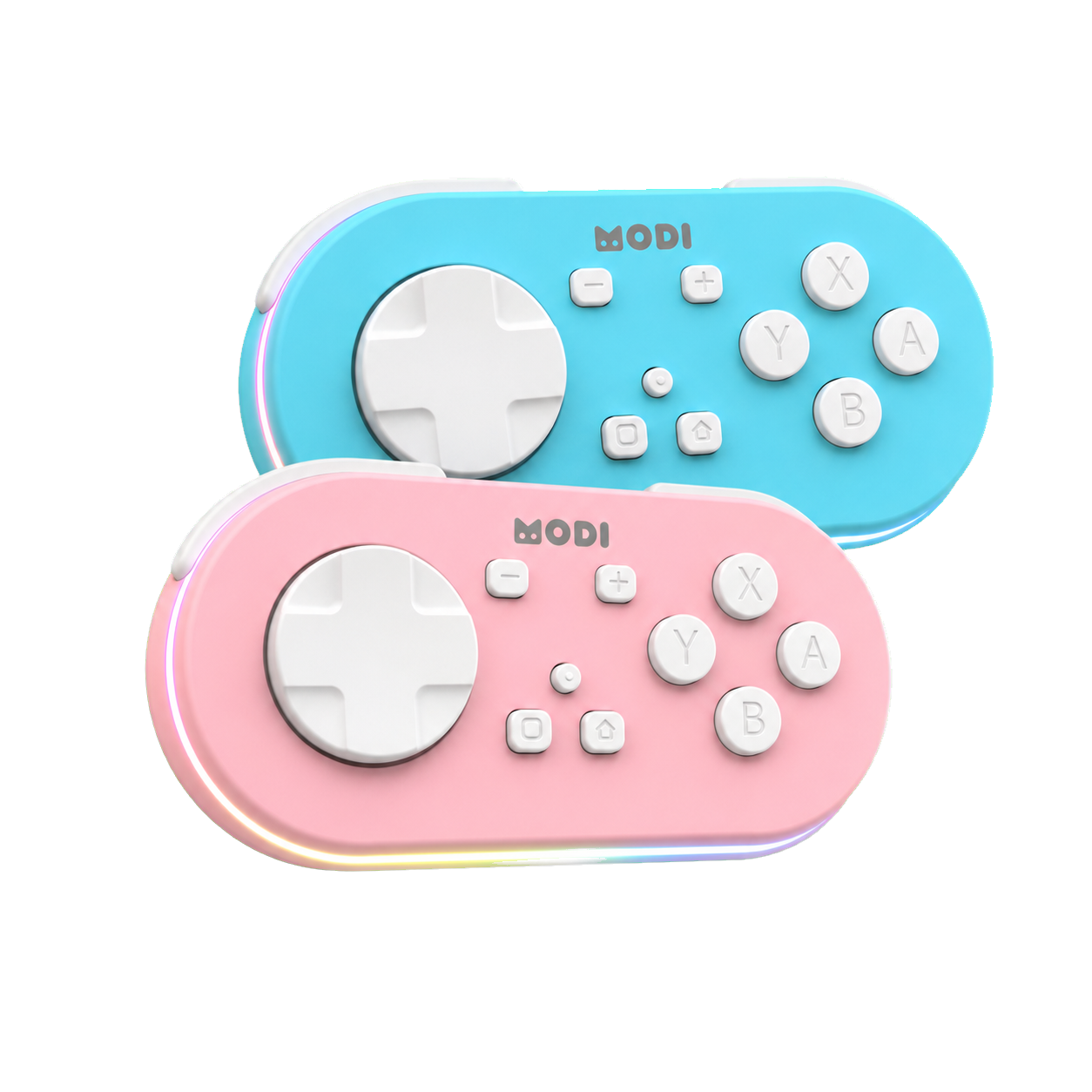
If one button on a MODI Anki remote seems unresponsive, do not assume the button has failed first. Test whether the issue follows the button, the current mapping, the connection mode, or the app receiving the input. A single missing action can come from an app setting, a saved Bluetooth pairing, the wrong MODI mode, or a genuine hardware problem. Work through the checks below before deciding that support is the next step.
If one button on a MODI Anki remote seems unresponsive, do not assume the button has failed first. Test whether the issue follows the button, the current mapping, the connection mode, or the app receiving the input. A single missing action can come from an app setting, a saved Bluetooth pairing, the wrong MODI mode, or a genuine hardware problem. Work through the checks below before deciding that support is the next step.
MODI is an independent Bluetooth accessory for Anki review workflows, not an official Anki, AnkiMobile, or AnkiDroid product. That distinction matters because some behavior is controlled by the remote, while other behavior is controlled by desktop Anki, AnkiMobile, AnkiDroid, or the host device. For baseline setup details, use the complete MODI setup tutorial, then use this article when the remote connects but one specific input does not behave as expected during review.
Isolate Mapping
First, test the button outside the exact action that failed. In desktop Anki, a command may be missing because the app or add-on mapping does not assign anything to that input. In AnkiMobile or AnkiDroid, the gamepad action list may assign a different command than expected. Reassign the suspect input to a simple, visible action, then test again on a card where that action is available.
This step separates an unresponsive button from an unhelpful mapping. For example, Undo or Suspend may not show the same feedback as revealing an answer or choosing a rating. If the button works after you assign it to a different action, the remote is sending input and the issue is probably configuration. Keep the test simple before rebuilding a full set of review controls.
Confirm Mode
MODI has separate connection modes, and a button can seem dead when the app expects a different input type. Keyboard Mode is intended for macOS, Windows, and Linux desktop use with preset keybindings, and it does not require the MODI add-on for the default workflow. Switch Mode is recommended for AnkiMobile on iPhone or iPad and AnkiDroid on Android because it exposes gamepad-style inputs.
Check the LED color after pairing: a solid green center LED indicates Keyboard Mode, while a solid blue center LED indicates Switch Mode. If you are using desktop Anki with custom remapping through the MODI add-on, Switch Mode may be the right choice. If you are using the preset desktop workflow, Keyboard Mode is usually the mode to test first.
Repair Bluetooth
A stale Bluetooth record can leave the remote connected in name only, or connected through the wrong remembered profile. When changing modes, forget every saved MODI or Anki remote entry in the host device’s Bluetooth settings. Then repeat the pairing process for the mode you actually want. This also applies when moving the remote from one phone, tablet, or computer to another.
After a fresh pairing, test the same button before changing several settings at once. If the remote connects but remains unresponsive after the clean pairing, restart the host device and try again. That restart is useful because Bluetooth state and app input state can persist outside the visible settings screen. Do not treat a successful connection label as proof that every input path is healthy.
Check App Behavior
The receiving app determines what a recognized input does. In AnkiMobile, review actions are configured under Settings, Review, Gamepads. In AnkiDroid, controls are configured under Settings, Controls, Set Key Binds. On desktop Anki, preset keyboard controls and optional add-on assignments are separate paths. If only one action fails, compare the button assignment with the app’s available controls for the current screen.
On Android, there is also a documented display-label issue: X-Y-B-A inputs can appear as Y-X-A-B in the AnkiDroid menu. Treat that as a visual mismatch, not immediate evidence of a broken button. Assign the visible entry, test the actual review command, and judge by the behavior in cards. The label shown in configuration may not match the physical letter printed on the remote.
Test Hardware
If mapping, mode, and pairing checks do not explain the problem, narrow the test to the physical button. Charge the remote if the LED is flashing red quickly, because low battery state can complicate diagnosis. Avoid interpreting undefined LED patterns as battery percentages. Decorative lighting is not needed for input testing, and keeping it off removes one avoidable variable while you check button behavior.
Test the suspect button in the simplest supported workflow available to you. If you normally use mobile Switch Mode, try remapping that button to a basic review action. If you normally use desktop Keyboard Mode, test a preset action in desktop Anki or another field that visibly accepts the corresponding input. A button that fails across fresh mappings, fresh pairings, and the correct mode is a stronger hardware concern.
Escalate Clearly
Before contacting support, write down the device type, operating system, Anki app, connection mode, LED color after connection, and the exact button that failed. Include whether the button failed after a fresh pairing and whether you tested it with a different mapped action. This gives support a practical starting point instead of a vague report that the remote is connected but not working.
Escalation is appropriate when one physical button remains unresponsive after you have confirmed the correct mode, removed old Bluetooth pairings, restarted the host device, and tested outside the original mapping. Do not open the remote, attempt battery repair, bypass charging protections, or modify unsupported firmware. At that point, the useful next step is a support review of the specific symptoms and the checks you already completed.
Sources and product references
This first-party MODI guide was checked against the current product manual and relevant app documentation. App menus and third-party behavior can change after publication.