
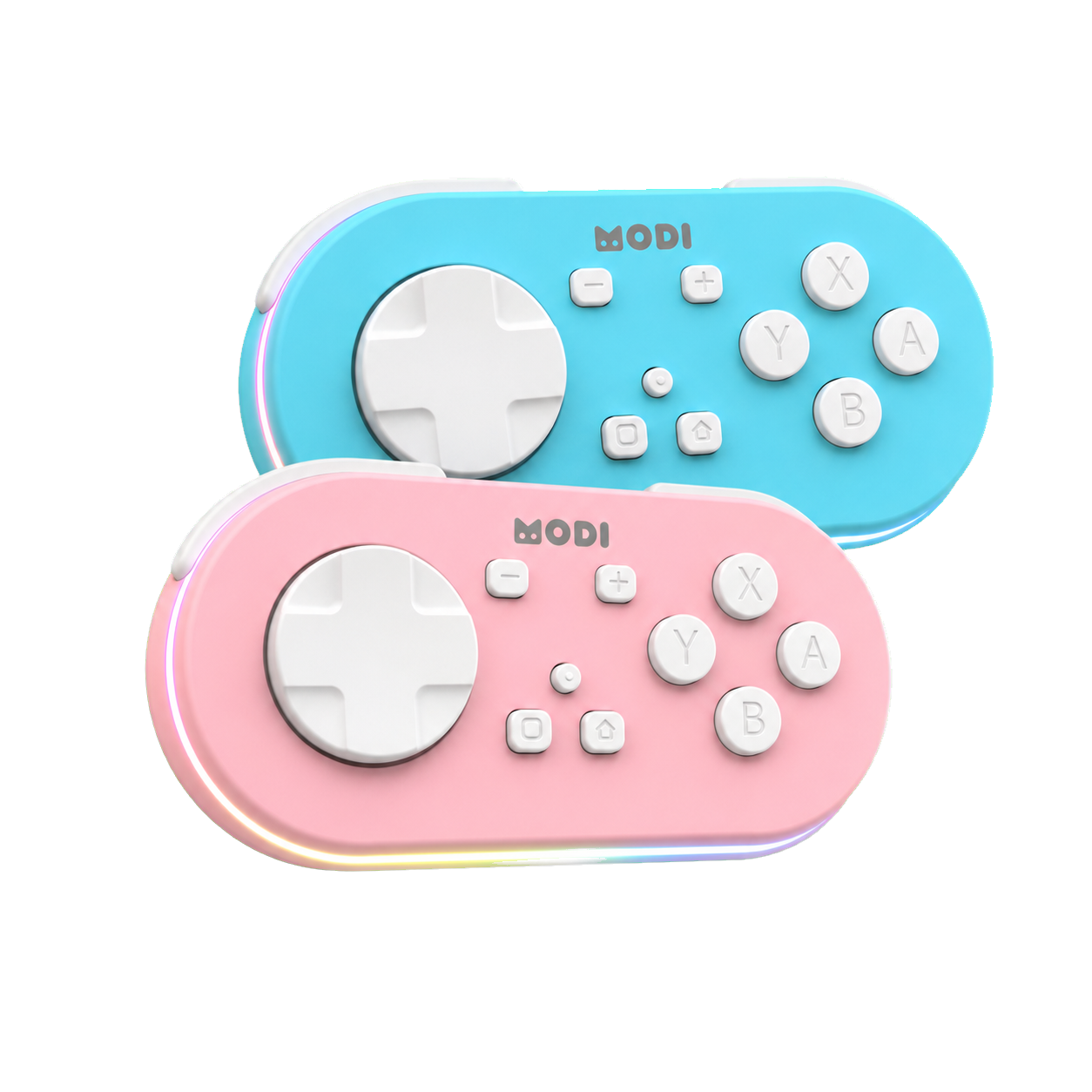
For medical school review, set up MODI around the answer actions you actually use: reveal, Again, Hard, Good, Easy, Undo, Suspend, and any card-specific controls such as replay audio. MODI is an independent Bluetooth accessory for Anki workflows, not an official Anki product. The practical goal is a predictable review controller that matches your deck habits, whether you review on desktop Anki, AnkiMobile, or AnkiDroid during focused blocks.
For medical school review, set up MODI around the answer actions you actually use: reveal, Again, Hard, Good, Easy, Undo, Suspend, and any card-specific controls such as replay audio. MODI is an independent Bluetooth accessory for Anki workflows, not an official Anki product. The practical goal is a predictable review controller that matches your deck habits, whether you review on desktop Anki, AnkiMobile, or AnkiDroid during focused blocks.
Start with the mode that matches your device and remapping needs. Keyboard Mode is the default desktop path for macOS, Windows, and Linux, and it does not require an Anki add-on for preset review controls. Switch Mode is the usual mobile path because AnkiMobile and AnkiDroid can map gamepad-style inputs. For a fuller walkthrough, place complete MODI setup tutorial beside your device while configuring the first time.
Answers
A medical deck can move through many card types, but the core review actions are still simple: reveal the answer, then choose Again, Hard, Good, or Easy when those choices are shown. Desktop Anki supports common keyboard controls such as Space or Enter to reveal an answer or choose Good, and 1 through 4 for answer buttons when available. MODI’s Keyboard Mode is designed around these review inputs, so desktop users can begin without custom mapping.
Treat the answer buttons as a small control layout rather than a complete study system. Place the buttons you use most often under the easiest thumb positions, and leave less frequent commands in secondary positions. This keeps the remote aligned with your existing Anki judgment process. The remote should not decide how you grade recall, whether a card is mature, or how a medical school deck should be scheduled.
Undo
Undo is worth assigning early because mis-presses happen during long review sessions, especially when switching between close-answer cards, cloze deletions, and image-heavy material. In Keyboard Mode, MODI includes a preset Undo input. In Switch Mode, Undo is also part of the default action set. Confirm that the command behaves as expected in your app before relying on it during a dense review block with new cards or time-sensitive review queues.
Suspend is a different decision from Undo. Use it when a card should leave the active flow because it is duplicate, poorly written, premature for your class sequence, or waiting on cleanup. Keyboard Mode includes a Suspend preset, and the optional desktop MODI add-on can help users configure buttons when they want a custom desktop layout. Do not treat Suspend as a correction for every missed card; it changes the card’s availability.
Media
Medical school decks often include auscultation clips, pronunciation prompts, histology slides, radiology images, anatomy diagrams, or screenshots from course material. For audio cards, include Replay Audio in the layout if you use it frequently. Switch Mode defaults include Replay Audio, and desktop layouts can also account for audio through Anki controls or add-on configuration. Test this with an actual audio card, because the needed action depends on the reviewing app’s mapping.
Image cards usually need fewer special commands, but navigation can still matter. Keyboard Mode includes direction-key navigation, Escape, and Spacebar-style controls, which can help when a browser-style or desktop review interface accepts those inputs. Avoid assuming that every image zoom, browser shortcut, or third-party viewer command will respond to the remote. Compatibility depends on whether the active app accepts MODI’s current keyboard or gamepad input at that moment.
Desktop
For desktop Anki, use Keyboard Mode unless you already know you need custom remapping. Pair by opening Bluetooth settings, holding A and Home for one second, then selecting the MODI connection. A solid green center LED indicates a successful Keyboard Mode connection. After pairing, open Anki and test reveal, answer selection, Undo, Suspend, and navigation on a small set of cards before starting a larger medical school deck session.
If you want custom desktop button assignments, use Switch Mode with the optional MODI add-on instead of the preset Keyboard Mode workflow. The add-on code is 406900239, installed through desktop Anki’s add-ons menu, followed by an Anki restart. Add-ons extend desktop Anki and may need updates after Anki changes. Keep that distinction clear: the add-on is optional for desktop customization, not required for the default Keyboard Mode workflow.
Mobile
For AnkiMobile on iPhone or iPad, use Switch Mode and configure the actions inside AnkiMobile. Pair by opening Bluetooth settings, holding Y and Home for one second, then selecting the MODI connection. A solid blue center LED indicates Switch Mode. In AnkiMobile, go to Settings, Review, then Gamepads, and assign the review actions you want. Include reveal or Good, the answer buttons you use, Undo, and Replay Audio if needed.
For AnkiDroid on Android, Switch Mode is also the standard mobile setup. After pairing, open Settings, Controls, then Set Key Binds. One visual issue can appear in the AnkiDroid menu: X, Y, B, and A inputs may display as Y, X, A, and B. This is a label mismatch caused by third-party display mapping, not necessarily a failed assignment. Test the actual command on review cards before changing the layout again.
Test
Run a short setup test before using the remote for a full review block. Use a filtered or low-risk set that includes a normal text card, an image card, and an audio card if your deck uses media. Press each assigned button once and note the result: reveal, Again, Hard, Good, Easy, Undo, Suspend, Replay Audio, and navigation. If a command does nothing, check the app mapping before changing several things at once.
If the remote connects but remains unresponsive after a fresh pairing, restart the host device and try again. When changing modes or moving to a different phone, tablet, or computer, forget every saved MODI or Anki remote Bluetooth entry first, then repeat pairing in the desired mode. MODI also sleeps after a period without connection or inactivity, and Home wakes it in the last-used mode, so include wake-and-reconnect in your test.
Sources and product references
This first-party MODI guide was checked against the current product manual and relevant app documentation. App menus and third-party behavior can change after publication.