
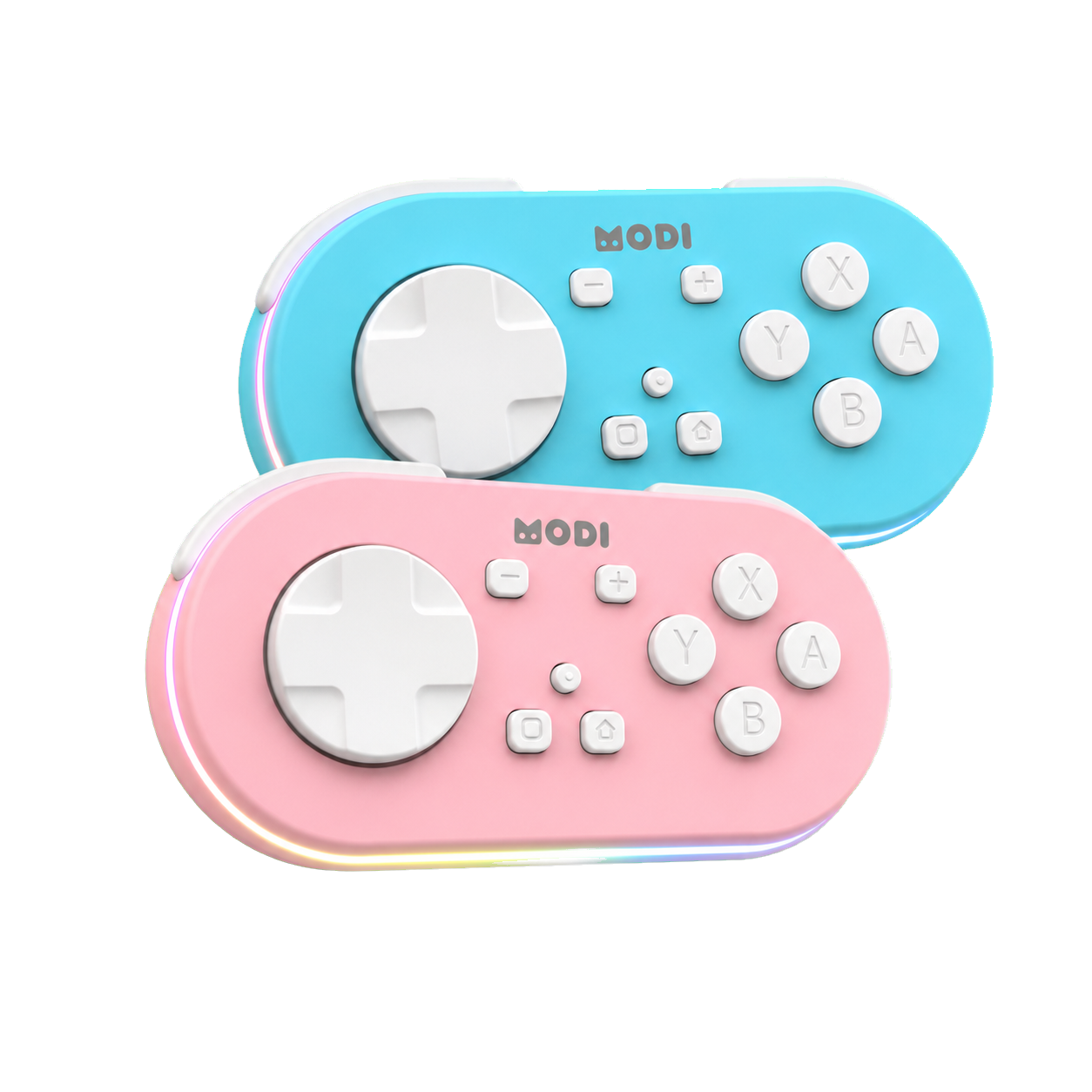
Desktop users should choose Keyboard Mode when they want the simplest MODI setup for Anki on macOS, Windows, or Linux. It uses preset keyboard-style inputs and does not require the MODI desktop add-on for the default review workflow. Choose Switch Mode when you specifically want custom button mapping through the MODI add-on, or when you are testing a gamepad-style input workflow instead of the preset desktop controls.
Desktop users should choose Keyboard Mode when they want the simplest MODI setup for Anki on macOS, Windows, or Linux. It uses preset keyboard-style inputs and does not require the MODI desktop add-on for the default review workflow. Choose Switch Mode when you specifically want custom button mapping through the MODI add-on, or when you are testing a gamepad-style input workflow instead of the preset desktop controls.
That distinction matters because MODI is an independent Bluetooth accessory, not an official Anki product or a device certified by Anki or operating-system vendors. The remote sends input in the mode you select, while Anki and any add-on decide how those inputs are interpreted. For full pairing steps, use complete MODI setup tutorial, but the mode choice itself starts with one question: preset simplicity or custom mapping?
Default Choice: Keyboard Mode
For most desktop Anki reviewers, Keyboard Mode is the practical starting point. It is intended for macOS, Windows, and Linux desktop use with preset keybindings, so setup focuses on pairing the remote rather than changing software settings first. In this mode, MODI can cover common review actions such as Again, Hard, Good or Next, Easy, Undo, Suspend, Escape, Spacebar, and direction-key navigation.
Keyboard Mode also lines up with desktop Anki’s existing keyboard behavior. Anki itself supports controls such as Space or Enter to reveal an answer or choose Good, and number keys for answer buttons when those buttons are available. MODI does not replace Anki’s study screen logic; it simply sends inputs that Anki already knows how to receive in a normal desktop review session.
When Switch Mode Makes Sense
Switch Mode is the better desktop choice when the preset Keyboard Mode layout is not the workflow you want. It exposes gamepad-style inputs, which can then be remapped through MODI’s desktop add-on. That makes it useful for reviewers who want certain buttons to perform different Anki actions, or who prefer to build a layout around their own review habits instead of using the preset desktop arrangement.
The tradeoff is extra configuration. Switch Mode is not just a different color on the remote; it changes the input profile your computer sees. On desktop, custom mapping depends on the MODI Anki add-on rather than the default Keyboard Mode behavior. If your only goal is to reveal cards, answer them, move around, and use common review controls, Keyboard Mode avoids that additional setup step.
The Add-On Requirement
The MODI desktop add-on is optional, not a requirement for the standard Keyboard Mode workflow. Install it when you want the desktop custom-remapping path that Switch Mode is designed to support. In desktop Anki, the add-on is installed through Tools, Add-ons, Get Add-ons, using code 406900239, followed by an Anki restart before opening MODI Anki Remote from the menu.
This distinction prevents a common setup mistake. If you pair in Keyboard Mode and expect the add-on to be required before anything works, you may add unnecessary complexity. If you pair in Switch Mode and expect desktop Anki to automatically treat every button exactly like the preset keyboard layout, you may be looking in the wrong place. Keyboard Mode is preset; Switch Mode plus add-on is configurable.
Product Mode Versus App Behavior
It helps to separate MODI behavior from Anki behavior. MODI controls the Bluetooth mode and the input it sends. Desktop Anki controls what its study screen does with recognized keyboard input, and the optional MODI add-on controls supported custom mappings when you configure it. When something feels wrong, diagnose each layer instead of assuming the remote, Anki, or the operating system is the only possible cause.
That same separation applies across platforms. Switch Mode is also the standard MODI mobile setup for AnkiMobile and AnkiDroid, where those apps provide their own configuration screens. On desktop, however, the question is narrower: do you want the preset keyboard-style controls, or do you want a remappable desktop layout through the add-on? The answer determines the mode before you troubleshoot individual buttons.
Switching Modes Safely
When changing modes, do not simply press a new button combination and hope the previous Bluetooth entry behaves correctly. The recommended process is to forget every saved MODI or Anki remote entry in the computer’s Bluetooth settings, then repeat the full pairing steps for the desired mode. This clears stale host-device assumptions about the remote’s profile and gives the new mode a cleaner start.
After pairing, MODI confirms the active desktop-relevant mode with the center LED: solid green for Keyboard Mode and solid blue for Switch Mode. Pressing Home later wakes the remote and reconnects in the last-used mode. If the remote connects after a fresh pairing but remains unresponsive in Anki, restart the computer and try again before changing multiple Anki settings at once.
A Practical Desktop Decision
Choose Keyboard Mode if you are setting up MODI for a straightforward desktop Anki review routine and want fewer moving parts. It is the documented desktop mode for preset controls, and it does not need the add-on to perform the default workflow. This is usually the cleaner path when you are configuring a new computer, replacing an old pairing, or trying to identify whether Bluetooth is working normally.
Choose Switch Mode if your real requirement is custom mapping inside desktop Anki. In that case, plan for the add-on, a short configuration pass, and a proper forget-and-repair cycle if you previously used Keyboard Mode. Neither choice is universally correct for every reviewer; the right desktop mode depends on whether you value the preset layout or need a remapped control scheme.
See the remote and current buying options
Review the blue and pink MODI remotes, then open the appropriate Amazon listing when you are ready.
Sources and product references
This first-party MODI guide was checked against the current product manual and relevant app documentation. App menus and third-party behavior can change after publication.