
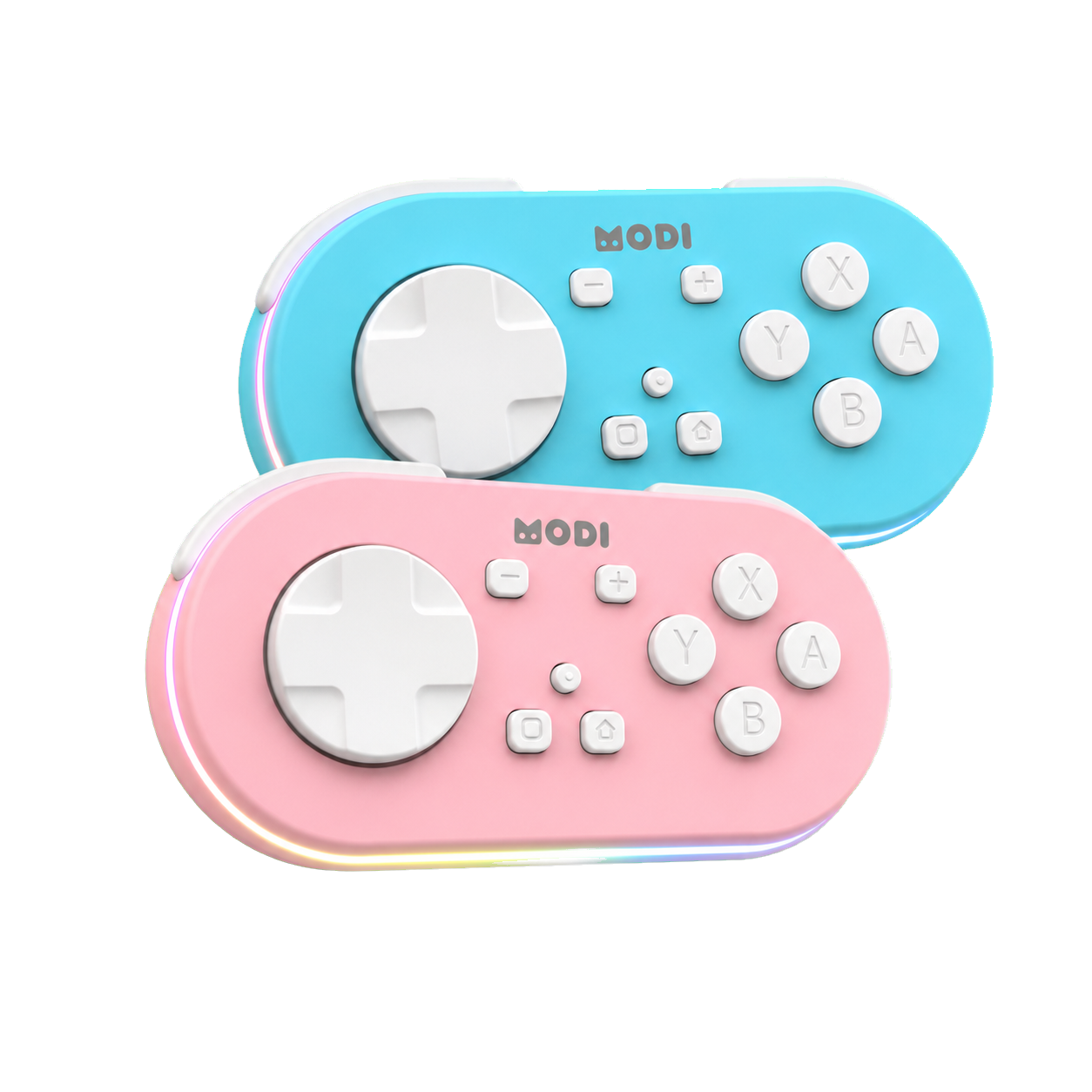
To set up a MODI Anki remote on macOS, pair it in Keyboard Mode, confirm that the center LED is solid green, then test the remote inside a normal desktop Anki review. Keyboard Mode is the standard Mac path because it sends preset keyboard inputs that desktop Anki already understands. No Anki add-on is required for this default workflow, so start there before adding custom mapping.
To set up a MODI Anki remote on macOS, pair it in Keyboard Mode, confirm that the center LED is solid green, then test the remote inside a normal desktop Anki review. Keyboard Mode is the standard Mac path because it sends preset keyboard inputs that desktop Anki already understands. No Anki add-on is required for this default workflow, so start there before adding custom mapping.
MODI is an independent Bluetooth accessory for supported Anki review workflows. It is not an official Anki product and is not made, endorsed, or certified by Anki or Apple. A Mac setup depends on three separate pieces working together: the remote’s current mode, macOS Bluetooth pairing, and Anki’s own keyboard behavior. If one piece is wrong, the remote can appear connected while reviews still do not respond.
Start With Keyboard Mode
Keyboard Mode is intended for macOS, Windows, and Linux desktop use with preset keybindings. On a Mac, that means the remote behaves like a Bluetooth input device rather than requiring Anki to recognize a special controller profile. It is the right first setup for most desktop review workflows because Anki already supports common keyboard controls during review, including Space or Enter for revealing an answer or selecting Good.
Before pairing, charge the remote if the low-battery LED is flashing red quickly. Wake the remote, then put it in Keyboard Mode by holding A + Home for one second. Open macOS Bluetooth settings and look for the MODI connection entry. Select it, wait for macOS to finish pairing, and check the remote: a solid green center LED indicates a successful Keyboard Mode connection.
Pair Cleanly In macOS
If this is the first time the remote has been paired to the Mac, the process is direct: open Bluetooth settings, start Keyboard Mode on the remote, and select the MODI entry. Keep the remote close to the Mac during pairing. Avoid switching modes midstream, because macOS may remember the previous Bluetooth profile and reconnect to that saved entry instead of the one you meant to use.
When the remote was previously paired in another mode or to another device, remove old saved entries first. In macOS Bluetooth settings, forget every saved MODI or Anki remote entry, then repeat the full Keyboard Mode pairing steps. The same forget-and-repair process is the preferred starting point when moving the remote between a phone, tablet, or computer, because saved Bluetooth profiles can otherwise conflict.
Confirm Anki Input
After macOS shows the remote as connected and the MODI center LED is solid green, open desktop Anki and start a review session. The first test should be basic: use the remote’s Space input to reveal the answer, then use the default review controls to choose an answer. Desktop Anki’s own keyboard behavior matters here, so verify the action in the review screen rather than only checking Bluetooth status.
Keyboard Mode includes preset inputs for Again, Hard, Good or Next, Easy, Undo, Suspend, Escape, Spacebar, and direction-key navigation. In a normal desktop Anki review, Space or Enter can reveal an answer or choose Good, and number keys 1-4 correspond to answer buttons when those buttons are available. If Space works but another action does not, check the review state and the specific card screen before changing the pairing.
Use The Setup Hub When Needed
For the broader device instructions that sit outside this Mac-specific path, use the complete MODI setup tutorial as the reference point before changing modes or moving the remote to another device. For this article, the important sequence is still Keyboard Mode first: pair through macOS Bluetooth, confirm the solid green LED, and test inside Anki before changing advanced settings.
Do not diagnose the remote only from the Bluetooth menu. A connected status means macOS has accepted the device, but it does not prove Anki is on a screen where the pressed input has an effect. Test with an actual review card, then try Space, answer selection, Undo, and navigation one at a time. This separates pairing problems from app-state or key-action confusion.
Add Custom Mapping Later
Switch Mode is optional on desktop and is mainly useful when a Mac user wants custom remapping through the MODI Anki add-on. It is not required for the default Keyboard Mode workflow. If you decide to use it, forget the existing MODI Bluetooth entry first, then hold Y + Home for one second and pair again. A solid blue center LED confirms Switch Mode.
The optional desktop add-on code is 406900239. In Anki, open Tools, choose Add-ons, select Get Add-ons, enter the code, restart Anki, then open MODI Anki Remote from the menu to configure buttons. Remember that add-ons extend desktop Anki and may need updates after Anki changes. Keep Keyboard Mode available as the baseline setup when troubleshooting custom mapping.
Troubleshoot The First Review
If the remote connects but does nothing in Anki, begin with the least disruptive checks. Confirm that the center LED color matches the intended mode, make sure Anki is focused, and test in an active review rather than a deck list or settings screen. If you recently changed modes, forget saved MODI entries in Bluetooth settings and repair from the beginning, because old pairings can persist.
If the remote remains unresponsive after a fresh pairing, restart the Mac and try again. Bluetooth state, saved pairings, battery level, Anki focus, and add-on configuration can all affect the result, so avoid assuming the remote is the only possible cause. Once Space and the answer actions work in Keyboard Mode, you have a stable Mac baseline for Anki review control.
Sources and product references
This first-party MODI guide was checked against the current product manual and relevant app documentation. App menus and third-party behavior can change after publication.