
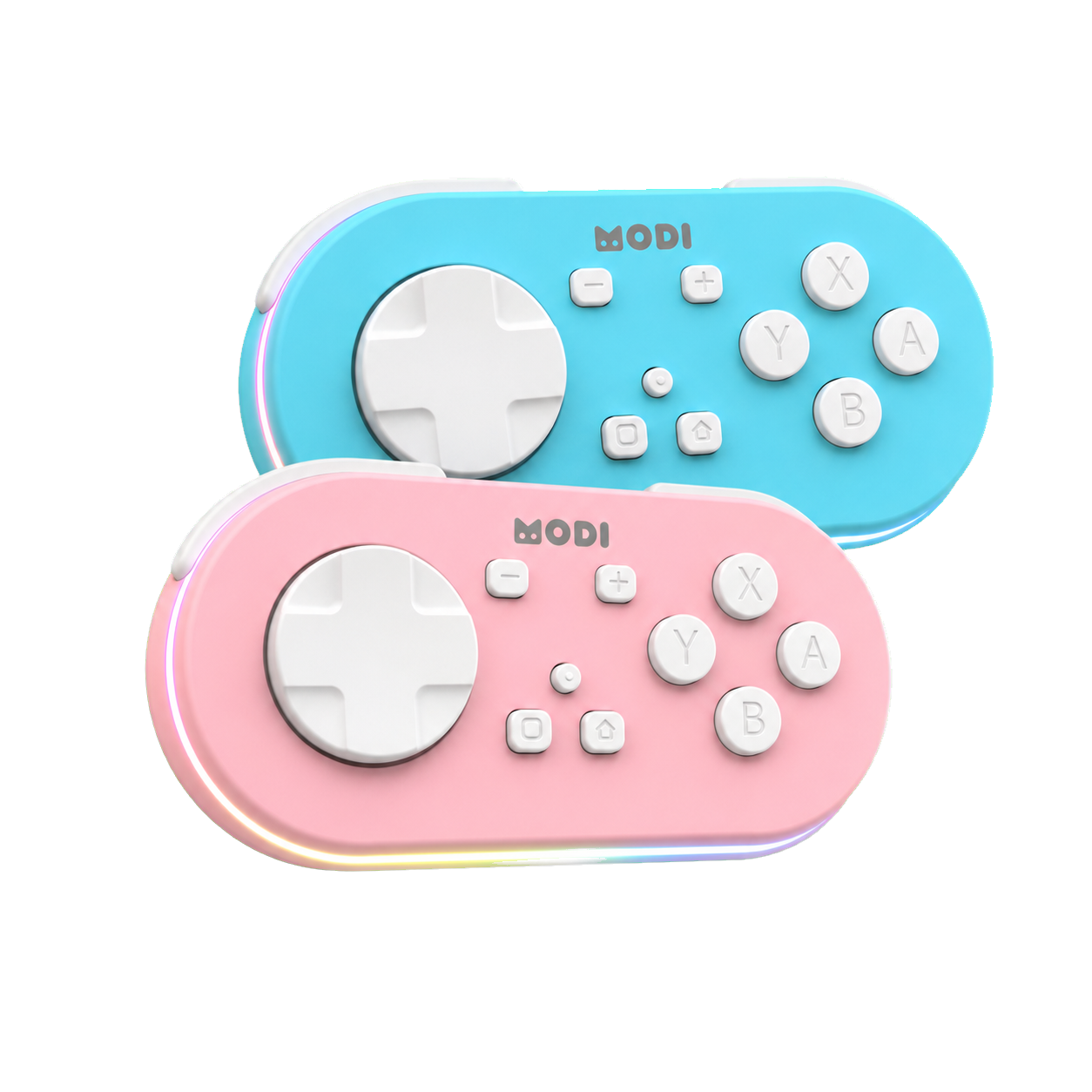
On desktop Anki, the most useful remote shortcuts are the same actions reviewers already use from the keyboard: Space or Enter to reveal a card and choose Good, number keys 1 through 4 for answer buttons, plus undo and replay where those actions are mapped. A MODI Anki remote sends inputs; Anki decides what those inputs do inside the review screen.
On desktop Anki, the most useful remote shortcuts are the same actions reviewers already use from the keyboard: Space or Enter to reveal a card and choose Good, number keys 1 through 4 for answer buttons, plus undo and replay where those actions are mapped. A MODI Anki remote sends inputs; Anki decides what those inputs do inside the review screen.
That distinction matters because a remote mapping is not the same thing as an Anki feature. MODI can provide preset Keyboard Mode inputs for common desktop review controls, and desktop Anki has its own documented keyboard behavior. If you need first-time pairing before choosing shortcuts, start with the complete MODI setup tutorial and then return to decide which actions deserve physical buttons.
Space And Enter
Space and Enter are the simplest desktop review controls to understand because Anki already treats them as study-screen shortcuts. During review, they can reveal the answer, then choose Good when the answer buttons are available. That makes them useful for a single prominent remote button, especially if you want one control that handles the most ordinary reveal-and-advance path without changing Anki’s card scheduling choices.
With MODI in Keyboard Mode, no desktop Anki add-on is required for the default workflow. The remote is acting like a Bluetooth input device using preset key behavior, while Anki is still handling the review action. If Space or Enter works from the physical keyboard but not from the remote, the next check is pairing state, active window focus, and whether the remote is still connected.
Answer Buttons 1 Through 4
Desktop Anki also supports number keys 1 through 4 for answer buttons when those buttons are available. In a normal review card, those keys correspond to the visible answer choices such as Again, Hard, Good, and Easy, depending on what the card and scheduler show at that moment. The exact meaning comes from Anki’s current review screen, not from a promise built into the remote.
That is why the number keys are useful but should be described carefully. A MODI button can be mapped or preset to send an input associated with an answer choice, but Anki determines whether that choice exists on the current card. For example, if a certain answer button is not shown in the current review state, sending its usual shortcut cannot create that action.
Again, Hard, Good, And Easy
MODI Keyboard Mode includes preset inputs for common desktop review actions, including Again, Hard, Good or Next, and Easy. Those labels are practical reminders of what a reviewer usually wants a button to do. They should not be confused with a separate scoring system from MODI. The remote supplies an input, and desktop Anki applies its own review logic after receiving that input.
For many desktop users, the clearest layout is to keep the main answer choices on buttons that are easy to distinguish by touch. The recommended MODI orientation is vertical with the D-pad facing down, so the physical arrangement can become part of the workflow. That is a control preference, not a claim that the accessory changes memory, grades, speed, or review volume.
Undo And Replay
Undo is valuable because desktop review mistakes happen: a button may be pressed early, a card may be answered differently than intended, or the active window may regain focus at the wrong moment. MODI Keyboard Mode includes an Undo preset, and the optional add-on can be used by desktop users who want custom remapping. In both cases, the useful question is which Anki action receives the input.
Replay audio belongs in the same category of practical review controls. MODI Switch Mode defaults include Replay Audio, and desktop users who configure buttons through the MODI add-on can decide where that command belongs. If replay does nothing, avoid assuming the remote failed first. Check whether the current card has replayable audio, whether Anki has focus, and whether the chosen mapping matches the expected command.
Mapping Versus App Behavior
A mapping is the connection between a physical button and an input such as Space, a number key, or a gamepad-style command. App behavior is what Anki does after receiving that input. Keeping those layers separate makes troubleshooting easier. If a laptop keyboard shortcut works in Anki but the remote does not, investigate Bluetooth connection, mode, pairing history, and the selected MODI configuration.
The reverse can also happen: the remote may be connected and sending input, but Anki may not perform the expected action because the command is unavailable in that screen. Review shortcuts depend on the active Anki context. A browser, deck list, add-on window, or inactive application can respond differently from the study screen, even when the same button press reaches the computer.
When To Use The Add-On
For default desktop review, MODI Keyboard Mode is the straightforward path because it uses preset keybindings and does not require an Anki add-on. The optional MODI add-on, using code 406900239, is for desktop users who want custom button configuration. After installation, Anki must be restarted before opening the MODI Anki Remote menu and assigning controls to match a preferred review layout.
Because Anki add-ons extend desktop Anki, they can need updates after Anki changes. That does not make the add-on part of Anki itself, and it does not make MODI an official Anki product. Treat the add-on as an optional configuration layer: useful when you want custom remapping, unnecessary when the preset Keyboard Mode shortcuts already match the desktop review actions you use.
Sources and product references
This first-party MODI guide was checked against the current product manual and relevant app documentation. App menus and third-party behavior can change after publication.