
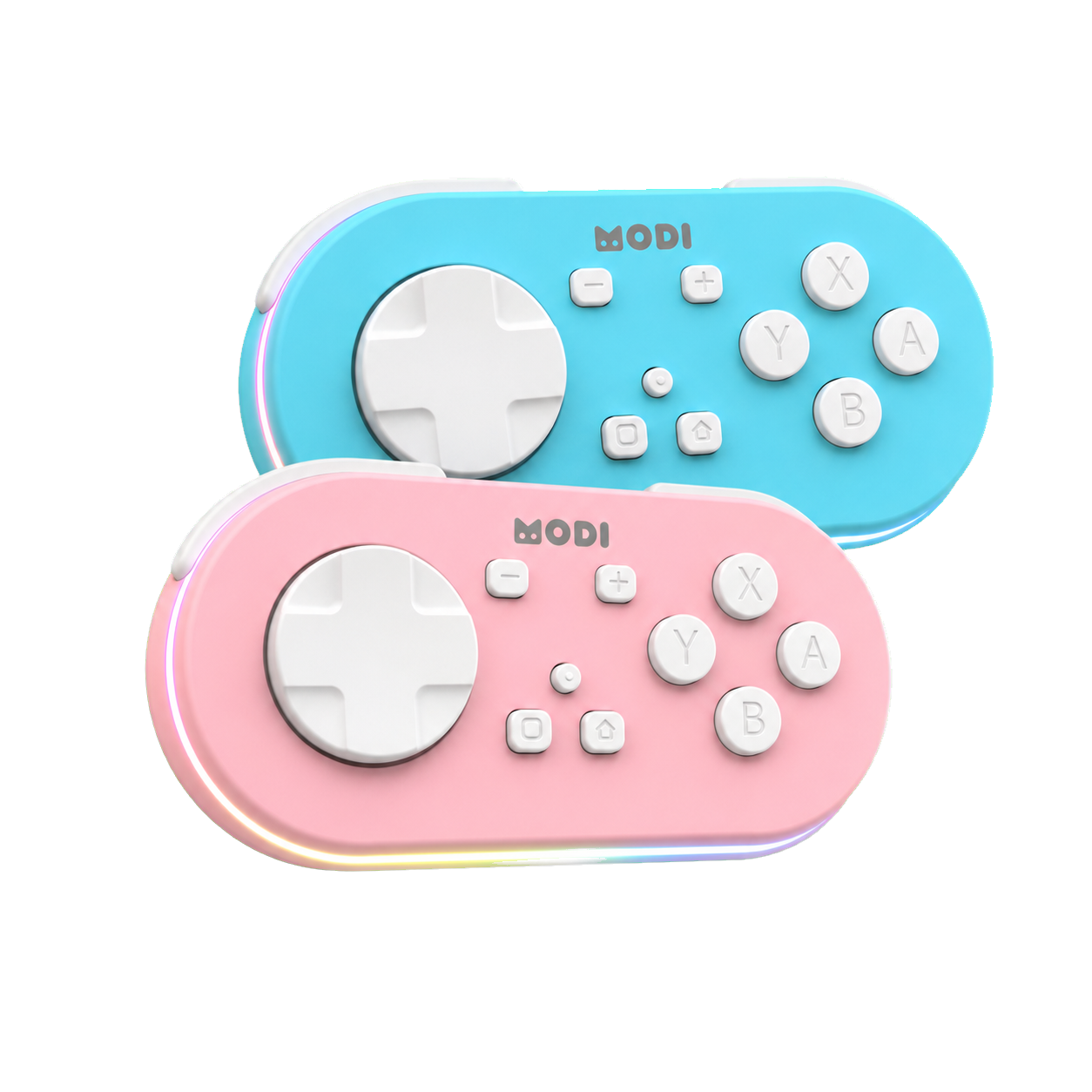
MODI light controls are handled on the remote itself, not inside Anki, AnkiMobile, AnkiDroid, Quizlet, or the operating system. The key shortcut to remember is double-clicking the Light button, which toggles the decorative lighting on or off. That is the documented way to disable the decorative LEDs when they are not needed, and it matters because MODI's maximum practical battery life depends on leaving those lights off when possible during review sessions.
MODI light controls are handled on the remote itself, not inside Anki, AnkiMobile, AnkiDroid, Quizlet, or the operating system. The key shortcut to remember is double-clicking the Light button, which toggles the decorative lighting on or off. That is the documented way to disable the decorative LEDs when they are not needed, and it matters because MODI’s maximum practical battery life depends on leaving those lights off when possible during review sessions.
The documented light combinations are Light plus Left Bumper for monochrome, Light plus A for breathing effects, Light plus B for single-color and seven-color modes, Light plus X for top-to-bottom flow, and Light plus Y for the double-tail automatic cycle. These controls do not change review answers, keybinds, Bluetooth mode, or app settings. For pairing and study-button setup, use the complete MODI setup tutorial separately from the lighting controls explained here.
Toggle
To turn decorative lighting off, double-click the Light button. Use the same double-click again when you want the decorative lighting back on. The manual describes this as a lighting control, so it should be treated as separate from the remote’s answer buttons and from the app-level actions assigned in AnkiMobile, AnkiDroid, or desktop Anki. If your goal is longer practical use between charges, turning decorative lighting off is the first setting to check.
This toggle is also the simplest diagnostic step when the remote appears active but the lighting is distracting or unnecessary. It does not put the remote to sleep, disconnect Bluetooth, or change between Keyboard Mode and Switch Mode. If you want to manually sleep or turn off the remote instead, hold Home for three seconds. That Home shortcut is a power behavior, while the Light double-click only controls decorative lighting.
Monochrome
For monochrome lighting, press Light plus Left Bumper once. This is the documented shortcut for a single monochrome effect, and it belongs to the decorative lighting system rather than to any study app. It does not create a new Anki command, alter the remote’s Bluetooth profile, or remap answer choices. If the remote is already paired and responsive, changing this effect should only change the lighting style you see on the device itself.
Monochrome can be useful when you want the decorative lighting active without cycling through multiple colors. The source documentation does not define a separate brightness level, battery percentage meaning, or app status meaning for monochrome lighting, so avoid reading more into the display than the manual states. If you need the longest practical battery behavior, use the Light button double-click to turn decorative lighting off rather than assuming any visible effect is equivalent.
Breathing
The breathing effects use the A button with the Light button. Press Light plus A once for color breathing. Press Light plus A twice for automatic seven-color breathing. The difference is the documented effect style: one shortcut starts the color breathing mode, while the double press switches to the automatic seven-color breathing version. These shortcuts are lighting commands only, so they should not be confused with the A input used in Switch Mode workflows.
Because A can also be part of review controls depending on mode and app configuration, use the Light combination intentionally. The lighting shortcut requires the Light button as part of the command, while app commands depend on the remote’s current input mode and the receiving app’s settings. If an AnkiMobile or AnkiDroid action changes, inspect the app’s gamepad or key-bind configuration; if only the LEDs change, you are dealing with the decorative lighting layer.
Color
Single-color and seven-color modes are controlled with Light plus B. Press Light plus B once for a single color. Press Light plus B twice for automatic seven-color mode. This is separate from the Light plus A breathing shortcuts, even though both mention color changes. The B combination selects the single-color or automatic seven-color lighting mode documented for the remote, not a study action or a desktop add-on command.
The manual does not define a battery percentage, connection status, or answer-button meaning for these decorative color modes. A low battery condition is documented separately: the LED flashes red quickly. Charging is also separate: the LED flashes green while charging, and the charging LED turns off when charging is complete. Keep those status indications distinct from decorative single-color and seven-color effects so you do not misdiagnose a normal lighting mode as a battery warning.
Flow
For the top-to-bottom flow effect, press Light plus X once. This shortcut selects a decorative movement pattern across the remote’s lighting, and the brief does not document a second X press option. Treat the flow effect as visual only. It does not confirm that MODI is connected to a particular app, and it does not prove that desktop Anki, AnkiMobile, AnkiDroid, or a browser-based study page is ready to accept inputs.
If the flow effect appears but review controls do not respond, troubleshoot the input path rather than the lights. Check whether the remote is in the intended Bluetooth mode, whether the host device is still paired to the correct MODI entry, and whether the study app is listening for keyboard or gamepad inputs. Lighting behavior can show that the device is active, but it is not a substitute for confirming app-level button assignments.
Double-Tail
For the double-tail automatic cycle, press Light plus Y once. This is the documented Y lighting combination and should be understood as another decorative effect. It does not switch MODI into Switch Mode; Switch Mode pairing uses Y plus Home for one second from Bluetooth setup. The difference matters because one command changes an LED effect, while the other starts a Bluetooth pairing path for gamepad-style input on supported devices and apps.
When moving between lighting effects, keep the documented commands narrow: double-click Light to toggle decorative lighting, Light plus Left Bumper for monochrome, Light plus A for breathing, Light plus B for color modes, Light plus X for flow, and Light plus Y for double-tail. If the remote connects but remains unresponsive after a fresh pairing, the next documented step is to restart the host device and try again, not to infer extra meanings from LED patterns.
Sources and product references
This first-party MODI guide was checked against the current product manual and relevant app documentation. App menus and third-party behavior can change after publication.