
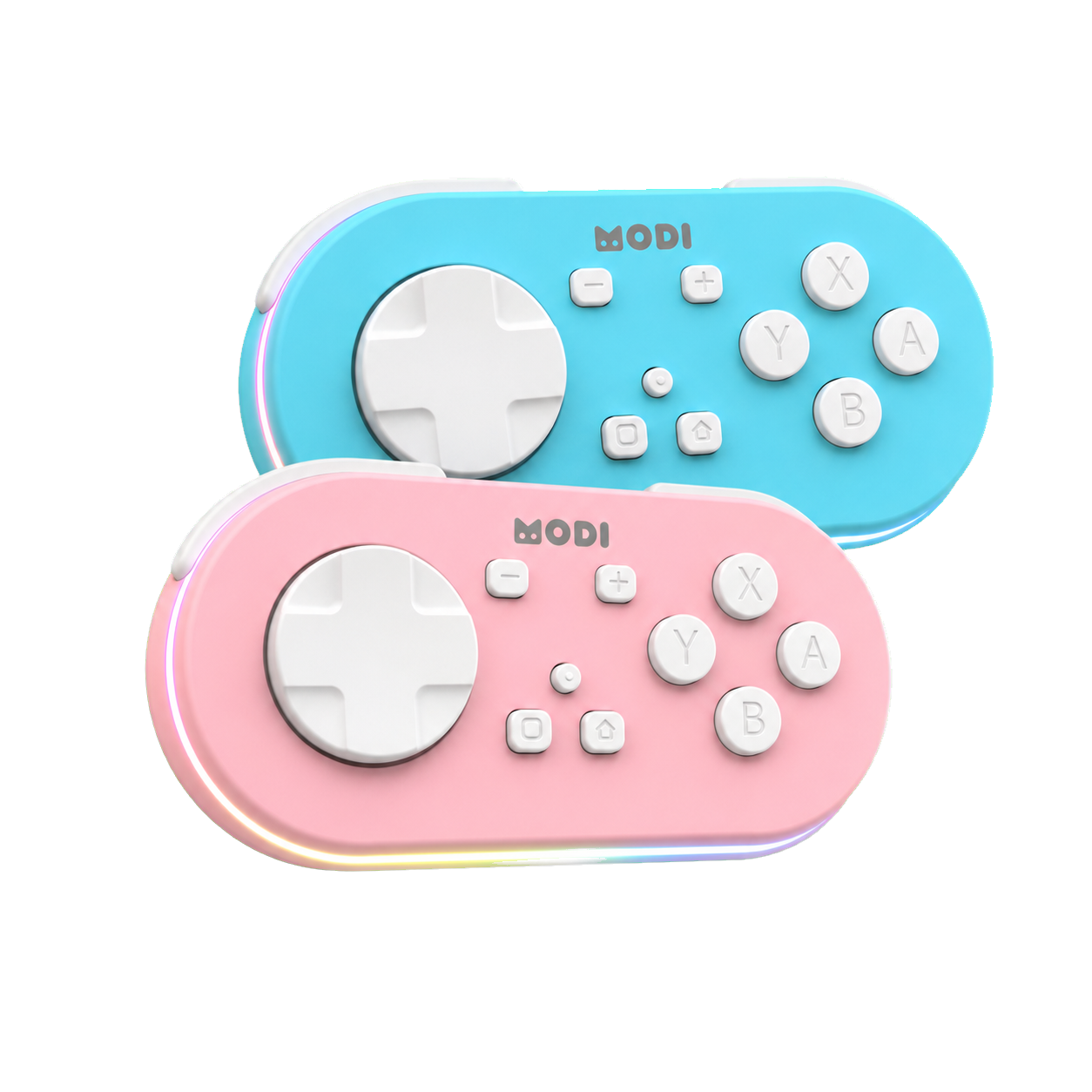
MODI sleep and power controls are simple: the remote can sleep automatically, you can put it to sleep manually, and you can wake it with Home. It sleeps after about 2.5 minutes when there is no Bluetooth connection, or after about five minutes of inactivity while idle. To manually sleep or turn off the remote, hold Home for three seconds. To wake and reconnect later, press Home once.
MODI sleep and power controls are simple: the remote can sleep automatically, you can put it to sleep manually, and you can wake it with Home. It sleeps after about 2.5 minutes when there is no Bluetooth connection, or after about five minutes of inactivity while idle. To manually sleep or turn off the remote, hold Home for three seconds. To wake and reconnect later, press Home once.
These controls belong to MODI, an independent Bluetooth accessory for Anki review workflows, not to Anki, AnkiMobile, AnkiDroid, or the device operating system. The apps decide what a connected input does during review, but the remote manages its own sleep timing, wake behavior, and connection state. If you are setting up the remote for the first time, use the complete MODI setup tutorial for mode-specific pairing before troubleshooting power behavior.
Sleep
The 2.5-minute timeout applies when the remote is awake but not connected over Bluetooth. In that state, MODI is waiting for a host device, but it will not keep waiting indefinitely. After roughly 2.5 minutes without a Bluetooth connection, it enters sleep to conserve power. That behavior is expected and does not mean the remote has lost its mode selection, reset its buttons, or changed your Anki settings.
This disconnected timeout is most noticeable when Bluetooth is off, the saved pairing has been removed, the remote is near a different previously paired device, or the host device is still searching. If the remote sleeps before pairing finishes, press Home to wake it and repeat the connection step for the mode you intend to use. Treat the timeout as a power-saving boundary, not as a sign that Anki itself has closed or failed.
Inactivity
The five-minute inactivity timeout applies when the remote has been left unused. If no review inputs are sent for about five minutes, MODI can sleep even if the last connection was successful. This helps preserve its 3.7 V, 330 mAh battery during pauses, breaks, or moments when Anki is open but you are not pressing buttons. The timing is approximate, so avoid treating it like a stopwatch or diagnostic measurement.
When the remote sleeps from inactivity, the review app may still be exactly where you left it. Desktop Anki, AnkiMobile, and AnkiDroid each manage their own screen, deck, and review state separately from the accessory. Pressing a MODI button after sleep may do nothing until the remote wakes and reconnects. If you return from a pause and the next command does not register, press Home first, then resume your normal review inputs.
Power
Manual sleep is controlled with the Home button. Hold Home for three seconds when you want to put MODI to sleep or turn it off. This is the documented manual power control and is the right choice when you are finished reviewing, placing the remote in a bag, or switching attention away from a device. A short press has a different role, so hold the button long enough for the manual sleep action.
Manual sleep does not uninstall the desktop add-on, erase AnkiMobile gamepad assignments, remove AnkiDroid key binds, or change Bluetooth entries on the host device. It only changes the remote’s power state. If you later want to use the same device and mode again, you normally do not need to repeat the full pairing sequence. Use Home to wake, then allow the host device time to reconnect through its Bluetooth system.
Wake
To wake MODI, press Home. The remote attempts to reconnect in the last-used mode, which matters because Keyboard Mode and Switch Mode present different input types to the host device. A normal wake is meant for returning to the same computer, phone, or tablet after sleep. It is not the same as changing modes, clearing Bluetooth records, or rebuilding the setup from the beginning.
After waking, give the host device a moment to restore Bluetooth communication before judging whether the buttons work. The reconnect step depends partly on the computer, phone, or tablet, not only on the remote. If the device reconnects successfully, your existing Anki, AnkiMobile, or AnkiDroid configuration determines what each input does. If nothing responds, check whether Bluetooth shows a current connection before changing app settings.
Modes
Sleep does not replace mode switching. If you are changing from Keyboard Mode to Switch Mode, or from Switch Mode back to Keyboard Mode, use the documented forget-and-repair process instead of expecting a wake press to change the input profile. Remove saved MODI or Anki remote entries from Bluetooth settings, then repeat the connection steps for the desired mode. This avoids stale pairings that can leave the remote connected but unresponsive.
The same approach is the preferred starting point when moving MODI to a different phone, tablet, or computer. A prior pairing can influence what the host tries to reconnect to, especially if several devices have seen the remote before. Pressing Home wakes the remote in its last-used mode, but the new host still needs a clean Bluetooth relationship. If the remote connects but remains unresponsive after fresh pairing, restart the host device and try again.
Troubleshooting
Start troubleshooting by separating power state from app configuration. If MODI has been idle or disconnected, press Home and confirm the host device sees it over Bluetooth. If it does not appear connected, handle Bluetooth first. If it does connect but commands do not behave as expected, then check whether you are using the intended mode and whether the review app’s controls are configured for that mode. These are separate layers that can fail independently.
Low battery can also affect the experience, but only use documented light behavior when interpreting the remote. A quickly flashing red LED means low battery. While charging, the LED flashes green, and when charging is complete, the charging LED turns off. Decorative lights are separate from core controls and can be switched off with a double-click of the Light button. Keeping decorative LEDs off when unnecessary helps preserve practical battery life.
Boundaries
MODI’s sleep and wake behavior is product-level behavior, while review actions come from the app and mode in use. Desktop Keyboard Mode can send preset keyboard inputs without requiring the MODI add-on. Switch Mode is commonly used for mobile setups because it exposes gamepad-style inputs. Those distinctions explain why a remote can wake correctly yet still need the right app-side mapping before a specific answer, undo, or replay command works.
Avoid using sleep behavior as proof that a particular app, website, browser, or operating system supports every command. Compatibility depends on whether the active software accepts the remote’s current keyboard or gamepad input. For power control, the reliable rules are narrower: MODI sleeps after about 2.5 minutes disconnected, after about five minutes inactive, manually sleeps when Home is held for three seconds, and wakes or reconnects when Home is pressed.
Sources and product references
This first-party MODI guide was checked against the current product manual and relevant app documentation. App menus and third-party behavior can change after publication.