
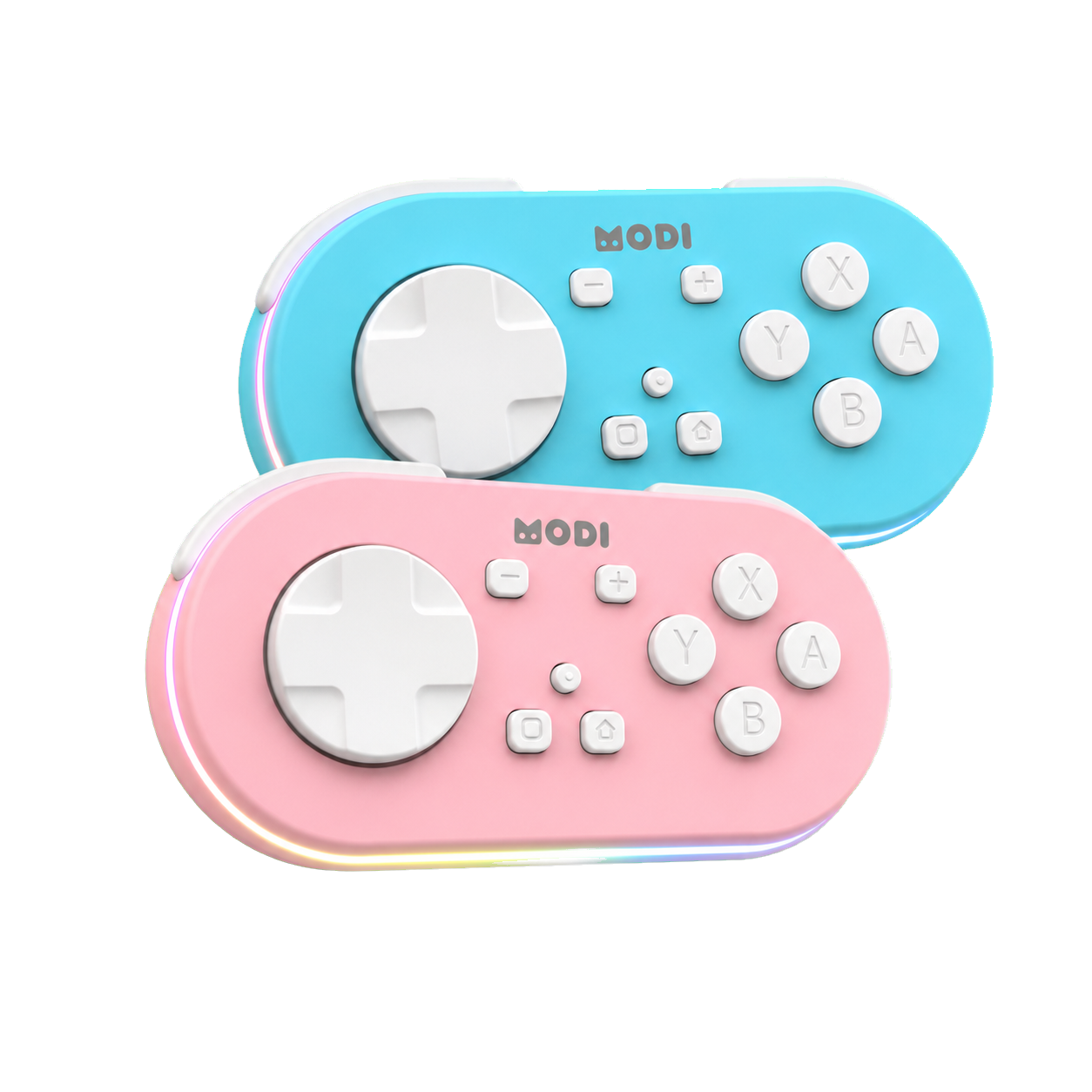
Charge a MODI Anki remote by connecting it to power and watching the charging LED, not by estimating a battery percentage. On MODI, a flashing green LED means the remote is charging, and the charging LED turns off when charging is complete. A quick red flash means low battery. The manual does not define LED patterns as percentage readings, so treat them as status signals only, especially before a review session or troubleshooting a connection problem.
Charge a MODI Anki remote by connecting it to power and watching the charging LED, not by estimating a battery percentage. On MODI, a flashing green LED means the remote is charging, and the charging LED turns off when charging is complete. A quick red flash means low battery. The manual does not define LED patterns as percentage readings, so treat them as status signals only, especially before a review session or troubleshooting a connection problem.
MODI is a Bluetooth accessory for Anki review workflows, but it is independent from Anki, AnkiMobile, AnkiDroid, Quizlet, Apple, Google, Microsoft, and Amazon. Its charging behavior belongs to the remote itself, while review actions and app settings belong to the software you use after pairing. If you are also setting up buttons or modes, use the complete MODI setup tutorial separately; this guide stays focused on battery charging, LED meaning, and practical checks before assuming anything is broken.
Charging
Use the charging connection normally and give the remote time to charge before judging pairing or button behavior. During charging, the documented signal is a green LED that flashes. That flashing does not mean the remote is connected to Anki, recognized by a phone, or ready to control reviews. It only tells you the charging state. Keep the interpretation narrow: green flashing is a charging indicator, not a setup confirmation or a measure of remaining runtime.
When the remote finishes charging, the charging LED turns off. That off state is the completion signal described for charging, provided the remote was connected to power and had been showing the charging behavior. Do not treat the absence of a light in every situation as a full battery. If the remote was not connected, was already asleep, or the wrong light is being watched, an unlit LED can simply mean there is no active charging signal to read.
Green
A flashing green light while plugged in is the main charging cue. It is easy to overread that signal because MODI also has connection lights and decorative lighting, but charging status should be read from the charging behavior described in the manual. A flashing green charging LED does not identify Keyboard Mode, Switch Mode, or whether a button assignment is correct. Those are separate setup topics that depend on Bluetooth mode, host device, and the app receiving input.
If you see green flashing, the next useful step is usually patience, not repeated pairing. Let charging continue until the completion state appears. If you are troubleshooting a remote that seems unresponsive, charging first removes one common variable before you investigate Bluetooth saved entries or app configuration. This does not prove the battery caused the issue; it simply gives you a cleaner starting point because low battery, sleep state, host Bluetooth behavior, and app settings can all affect the experience.
Complete
Charging is complete when the charging LED turns off. That state is intentionally simple: there is no documented MODI battery gauge that changes from red to amber to green, and there is no listed percentage scale. Once the charging LED has turned off after a charging session, disconnect the remote and use it normally. If you need the longest practical battery life, keep decorative lighting off when you do not need it.
The stated battery life is approximately 15 hours of continuous use under the manual’s stated conditions, not a guarantee for every session. Decorative LEDs, sleep behavior, battery age, and real use patterns can affect how long the remote lasts between charges. MODI automatically sleeps after about 2.5 minutes without a Bluetooth connection or 5 minutes of inactivity. You can also hold Home for 3 seconds to manually sleep or turn off the remote.
Red
A quickly flashing red LED means low battery. When you see it, charge the remote before continuing a long review session or diagnosing more complicated behavior. A low-battery signal can make troubleshooting confusing because the remote may still wake, show some activity, or appear in Bluetooth settings while not behaving as expected. Charge first, then test again, so you are not mixing battery state with Bluetooth pairing, app keybinds, or saved device entries.
Do not open the remote, bypass charging protections, or try unsupported battery repair because an LED flashes red. The documented response is to charge the device. If the red low-battery signal returns unusually soon, focus on normal variables first: whether decorative lights were left on, whether the remote was fully charged until the charging LED turned off, and whether it spent time awake while disconnected. Those checks stay within documented use and avoid turning a simple battery signal into guesswork.
Percentages
MODI’s LED signals should not be converted into battery percentages. A quick red flash means low battery, green flashing means charging, and the charging LED turning off means charging is complete. The manual does not say that a certain flash rate means 10 percent, 50 percent, or any other number. Giving a percentage estimate would be invented detail, and it can lead to poor decisions when you are preparing for a review session.
The same caution applies to decorative lighting patterns. The Light button can turn decorative lighting on or off, and combinations with buttons can change visual effects, but those effects are not battery gauges. Monochrome, breathing, flow, single color, seven-color, and double-tail effects describe lighting modes, not charge level. If you want maximum practical runtime, turn decorative lighting off when it is not needed rather than trying to interpret it as battery information.
Troubleshooting
If charging appears normal but the remote still does not control reviews, separate power checks from connection checks. Confirm the charging LED reached the completion state, then wake the remote and test it in the mode you intend to use. App behavior is separate: desktop Anki, AnkiMobile, AnkiDroid, and browser-based tools respond only to inputs they are configured to accept. A charged remote can still need pairing, mode selection, or button mapping attention.
When switching modes or moving to another phone, tablet, or computer, saved Bluetooth entries can interfere with a clean test. Forget saved MODI or Anki remote entries, pair again in the desired mode, and restart the host device if a fresh pairing connects but remains unresponsive. That sequence keeps the battery reading in its proper place: it tells you whether the remote needs power, while Bluetooth state and app configuration explain what happens after the remote is charged.
Sources and product references
This first-party MODI guide was checked against the current product manual and relevant app documentation. App menus and third-party behavior can change after publication.