
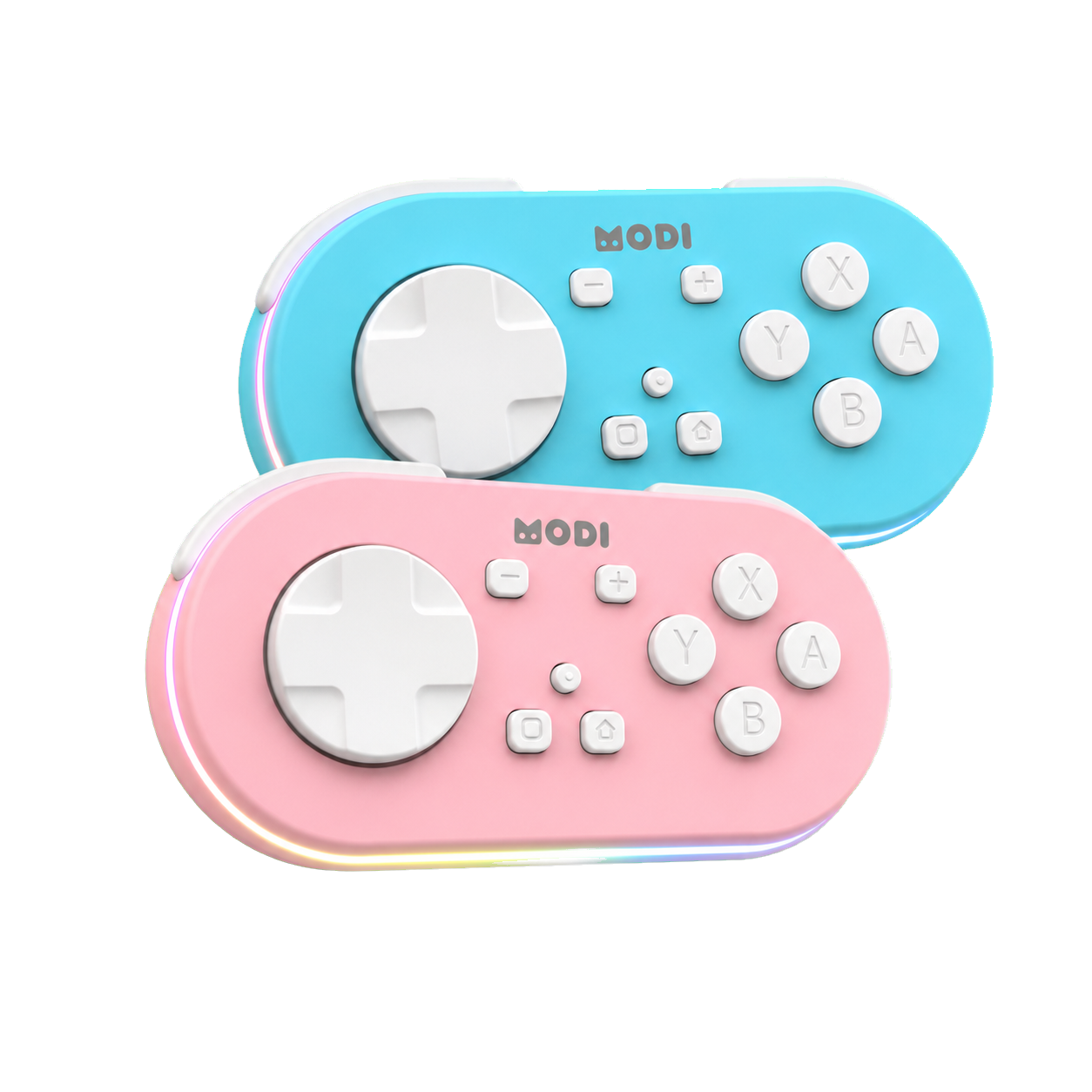
To organize short Anki review blocks with a remote, build a repeatable start-test-review-stop routine instead of choosing a card-count target. The point is to confirm the remote, Bluetooth pairing, and app bindings before you begin, then keep the block narrow enough that a small set of buttons stays predictable. MODI can support this workflow as an independent Bluetooth accessory for Anki review, but the actual commands still depend on the mode and app you use.
To organize short Anki review blocks with a remote, build a repeatable start-test-review-stop routine instead of choosing a card-count target. The point is to confirm the remote, Bluetooth pairing, and app bindings before you begin, then keep the block narrow enough that a small set of buttons stays predictable. MODI can support this workflow as an independent Bluetooth accessory for Anki review, but the actual commands still depend on the mode and app you use.
A reliable block starts before the first card appears. Wake the remote, confirm the expected connection mode, test the few actions you plan to use, and note any setup issue before reviewing. For the full pairing and mode steps, use complete MODI setup tutorial when you need to rebuild the connection. MODI is not made, endorsed, or certified by Anki, AnkiMobile, AnkiDroid, Apple, Google, Microsoft, Amazon, Quizlet, or other independent software providers, so treat setup as device-plus-app configuration.
Preflight Check
Before a short review block, check the basic state of the remote and the host device. MODI sleeps automatically after about 2.5 minutes without a Bluetooth connection or 5 minutes of inactivity, so a remote that seemed ready earlier may need a wake press. Press Home to wake and reconnect in the last-used mode. If you are ending the session deliberately, holding Home for 3 seconds puts the remote to sleep or turns it off.
Next, confirm you are in the intended mode for the device. Keyboard Mode is meant for macOS, Windows, and Linux desktop use with preset keybindings and does not require the MODI Anki add-on for the default workflow. Switch Mode is the standard mobile setup for AnkiMobile and AnkiDroid, and desktop users can also use it when they want custom remapping through the optional add-on. This check prevents a mismatch between remote inputs and app expectations.
Small Actions
A short block works better when the control set is intentionally small. Choose the actions you will actually use during that block, such as reveal or Good, Again, Hard, Easy, Undo, and replay audio when supported by the current setup. Keyboard Mode includes preset inputs for common desktop review actions, including Spacebar, Escape, direction-key navigation, and answer-related commands. Switch Mode defaults include Space or Good, Easy, Again, Replay Audio, Hard, and Undo.
Keep the list small enough that you can test every action before starting. Desktop Anki also has its own keyboard controls, including Space or Enter to reveal an answer or choose Good, and 1 through 4 for answer buttons when those buttons are available. AnkiMobile and AnkiDroid provide their own configurable action lists. MODI sends inputs; the app decides what those inputs do after pairing and configuration, so do not assume every command maps identically everywhere.
Start Routine
Use the same start routine each time. Open the review screen first, then test one harmless input before committing to the block. On desktop in Keyboard Mode, that might mean checking whether Spacebar-style behavior reveals the answer as expected. On mobile in Switch Mode, it means confirming that the configured gamepad action fires inside AnkiMobile or AnkiDroid. If the first test does not behave correctly, pause and fix configuration before you begin reviewing.
For desktop custom layouts, the optional MODI add-on can be installed with code 406900239 in Anki’s add-on menu, then configured after restarting Anki. That add-on is for desktop Anki and custom remapping; it is not required for the default Keyboard Mode workflow. Separating those facts matters during a short block because installing or adjusting an add-on is setup work, not review work. Keep the start routine limited to confirming the current configuration.
Block Boundary
Define the block by time, context, or one clear stopping condition rather than by a promised number of cards. A short block might be the next few minutes before class, a focused pass through one deck screen, or a review window between tasks. The remote can reduce the need to reach for a keyboard or screen, but it should not become a reason to push past the boundary you already chose.
The recommended MODI orientation is vertical with the D-pad facing down, which can make the small action set easier to keep consistent. Treat that as a workflow choice, not a medical or performance claim. If a button press feels ambiguous, stop the block and retest the mapping. A short routine is useful because it gives you permission to fix the control surface immediately instead of carrying uncertainty through the rest of the review.
Review Flow
During the block, keep your thumb movements tied to the same commands you tested in the preflight. Avoid adding new actions in the middle unless the app requires them for the current card. If you need to suspend, undo, replay audio, or navigate, use only the buttons you already verified. This keeps the remote workflow stable and makes it easier to notice whether a missed response came from Bluetooth, app focus, or configuration.
On Android, remember that AnkiDroid can display X-Y-B-A inputs as Y-X-A-B in its key bind menu because of a third-party display mapping issue. That is a visual label mismatch; assigned commands can still function normally. For iPhone and iPad, AnkiMobile’s gamepad actions depend on iOS recognizing the controller profile. In both cases, the practical test is whether the assigned action works inside the review screen, not whether the label looks familiar.
Issue Log
At the end of the block, write down setup issues separately from review notes. Record facts such as the device used, mode selected, whether the center LED was solid green for Keyboard Mode or solid blue for Switch Mode, and which action failed. Also note battery clues without guessing percentages. A quickly flashing red LED means low battery, a flashing green LED means charging, and the charging LED turns off when charging is complete.
If the remote connects but stays unresponsive after a fresh pairing, restart the host device and try again. When changing modes or moving to another phone, tablet, or computer, forget every saved MODI or Anki remote Bluetooth entry, then repeat the full pairing steps for the desired mode. Keeping this issue log makes the next block easier to start because you can fix the specific setup variable instead of rebuilding the entire workflow from memory.
Sources and product references
This first-party MODI guide was checked against the current product manual and relevant app documentation. App menus and third-party behavior can change after publication.