
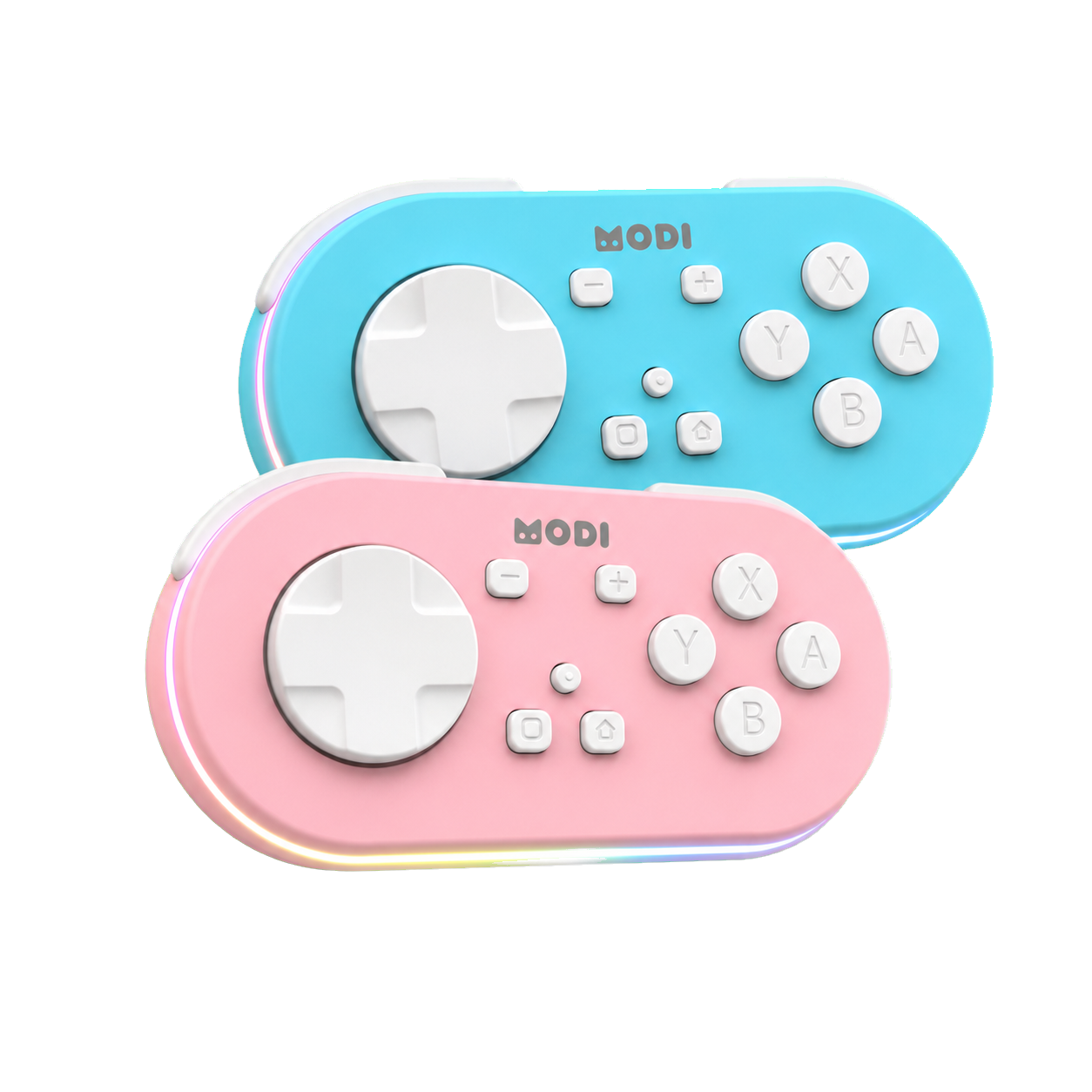
Mark, Suspend, and Bury are different Anki decisions, so they should not compete for the same remote button without a plan. Mark is a reminder for later attention, Suspend removes a card or note from review until you restore it, and Bury delays a sibling or related card temporarily. On a MODI Anki remote, these are secondary actions because review answers, reveal, undo, and navigation usually deserve the easiest buttons first.
Mark, Suspend, and Bury are different Anki decisions, so they should not compete for the same remote button without a plan. Mark is a reminder for later attention, Suspend removes a card or note from review until you restore it, and Bury delays a sibling or related card temporarily. On a MODI Anki remote, these are secondary actions because review answers, reveal, undo, and navigation usually deserve the easiest buttons first.
For desktop users, the practical question is not whether these actions are useful, but which one you can trigger safely without looking down. MODI is an independent Bluetooth accessory, not an official Anki product, and custom desktop mapping depends on Anki behavior plus the optional MODI add-on. If your primary review controls are already settled, use complete MODI setup tutorial as the broader setup reference, then reserve any remaining button space for the secondary action you use deliberately.
Start With Intent
A secondary action should match a decision you already make during reviews. If you often notice a wording problem, missing image, or suspicious fact but do not want to break review flow, Mark is a reasonable candidate. It lets you flag the item for later inspection while leaving the card in circulation. That makes it useful when your goal is editorial follow-up, not immediate removal from the queue.
Suspend fits a stronger decision. Use it when a card should stop appearing until you choose to bring it back, such as a duplicate, broken prompt, outdated note, or item that belongs in a different deck strategy. Because suspension changes future scheduling behavior more dramatically than marking, it is usually better on a button that is easy enough to reach but not so easy that you press it accidentally.
What Mark Does
Mark works as a lightweight review note to yourself. It does not answer the card, rewrite the note, or solve the issue. It simply makes the item easier to find later through Anki’s own tools. That distinction matters on a remote because marking can feel quick and harmless, but it still creates a maintenance queue. Assign it only if you have a real habit of returning to marked material.
For many desktop reviewers, Mark is the most forgiving secondary action to place on a remote button. An accidental mark is usually easier to clean up than an accidental suspend, and it does not hide a sibling the way bury can. Still, it should not replace thoughtful editing. If a card is confusing every time it appears, marking it repeatedly from the remote is a signal to pause later and fix the source note.
What Suspend Does
Suspend is a stronger control because it removes the selected card or note from ordinary review until you unsuspend it. That can be useful when a prompt is misleading, a card is no longer relevant, or a note needs revision before more scheduling decisions make sense. On a remote, Suspend should feel intentional. Treat it like a workflow gate, not a quick reaction to a hard review.
If you map Suspend through the MODI desktop add-on, keep accidental presses in mind. The optional add-on code is 406900239, and it is used for custom desktop button assignments; Keyboard Mode itself can be used without an add-on for preset inputs. Since Anki add-ons extend desktop Anki and may need updates after Anki changes, confirm the mapping inside Anki after setup rather than assuming every button keeps the same behavior forever.
What Bury Does
Bury is different from Suspend because it is temporary. In Anki workflows, burying is commonly used to delay a related card, often a sibling from the same note, so you do not see closely connected prompts too near each other. That makes Bury useful when the problem is timing, not content quality. It is less appropriate when the card itself is wrong, duplicated, or no longer belongs in review.
A remote button for Bury makes sense only if sibling timing is a frequent desktop review decision for you. If you rarely think about related cards during study, the button may sit unused while occupying valuable space. If you do use it, place it where you can press it deliberately after recognizing the relationship. Bury should not be treated as a substitute for suspending broken material or marking notes that need editing.
Button Priority
Limited buttons are the reason this choice matters. MODI’s Keyboard Mode includes preset inputs for core review actions such as Again, Hard, Good or Next, Easy, Undo, Suspend, Escape, Spacebar, and direction-key navigation. Those commands usually form the base layout. Secondary actions should come after the actions that reveal cards, answer cards, reverse mistakes, and move through the interface, because those are used repeatedly throughout a review session.
When deciding between Mark, Suspend, and Bury, compare frequency with consequence. A frequent, low-risk action can live on a convenient button. A rare, high-consequence action should be harder to press or left in Anki’s interface. Mark often fits frequent triage, Suspend fits decisive removal, and Bury fits sibling timing. If all three sound useful, choose the one that reduces interface switching without encouraging careless decisions.
Mapping Limits
Custom mapping has practical limits because MODI sends inputs that Anki or the configured add-on must interpret. Desktop users who want custom remapping use Switch Mode with the MODI Anki add-on, while standard Keyboard Mode already provides preset desktop controls. The remote does not create new Anki commands by itself. It can only trigger actions exposed through the relevant app, add-on, or input behavior available in the current setup.
That limit is useful when troubleshooting. If a mapped Mark, Suspend, or Bury button does not behave as expected, first verify the mode, saved Bluetooth pairing, Anki add-on configuration, and the command inside desktop Anki. When changing modes, the preferred starting point is to forget saved MODI or Anki remote entries and pair again. If a fresh pairing connects but remains unresponsive, restart the host device and retest before changing more mappings.
A Practical Layout
A clean desktop layout usually keeps answer choices and reveal behavior under the fingers you use for routine review, then places Undo somewhere reachable but protected from accidental presses. After that, add one secondary action. Choose Mark if your reviews generate small follow-up tasks, Suspend if you routinely identify cards that should stop appearing, or Bury if related-card timing is the main interruption. Avoid assigning all three unless you can remember them without hesitation.
A practical remote layout is the one that makes your actual review decisions clearer. MODI can support that by putting selected Anki inputs within reach, but Anki remains the software deciding what those actions mean. Review your marked, suspended, or buried items periodically so the button does not become a way to postpone every problem. A secondary action earns its place when it reduces interface switching while preserving deliberate control over the deck.
See the remote and current buying options
Review the blue and pink MODI remotes, then open the appropriate Amazon listing when you are ready.
Sources and product references
This first-party MODI guide was checked against the current product manual and relevant app documentation. App menus and third-party behavior can change after publication.