
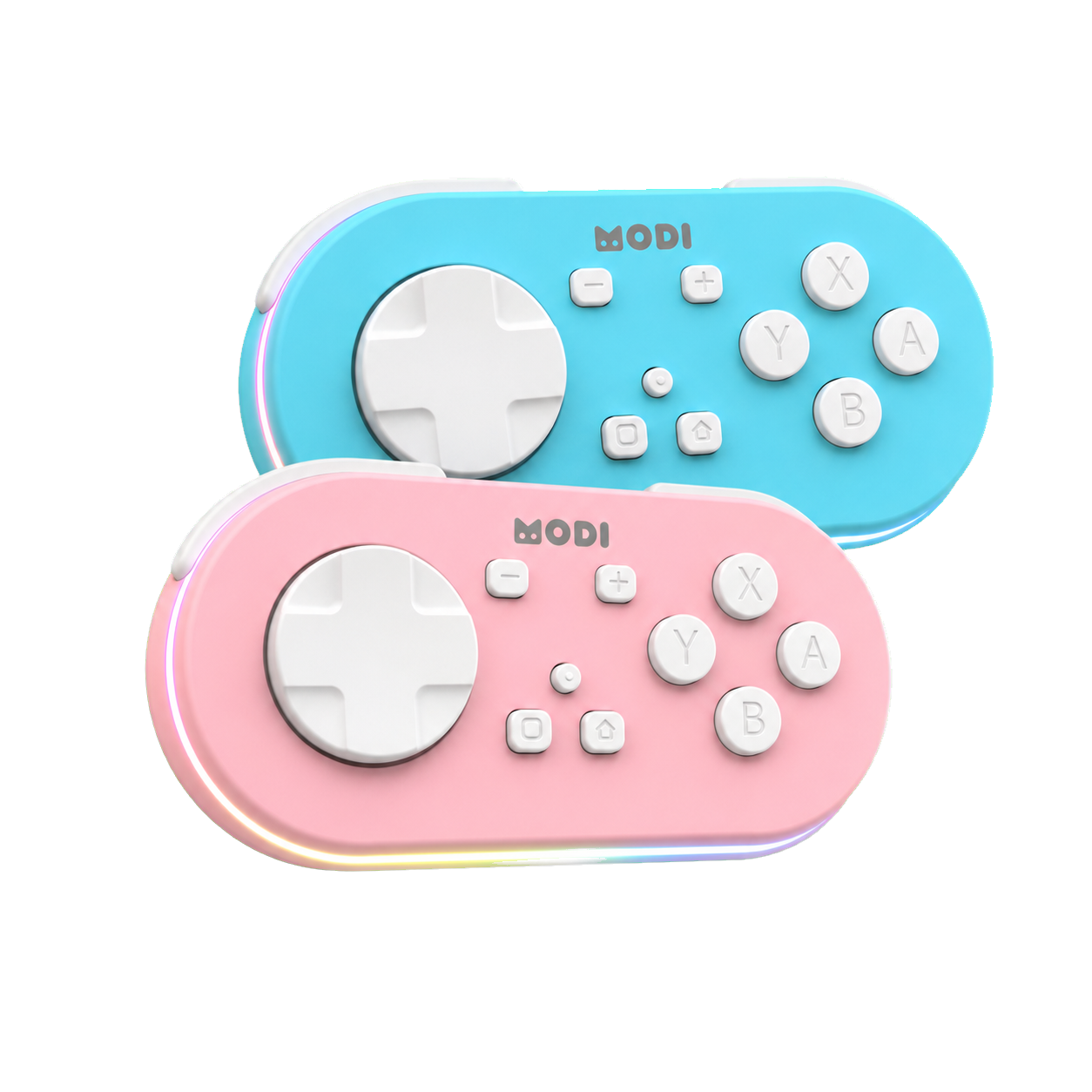
To update the MODI Anki plugin, use Anki’s add-on update tools, restart desktop Anki, then confirm that your MODI button mappings still perform the actions you expect. The MODI add-on is optional software for desktop Anki users who want custom remapping in Switch Mode. It is separate from Anki itself, and MODI is an independent accessory, not an official Anki product or an add-on certified by Anki.
To update the MODI Anki plugin, use Anki’s add-on update tools, restart desktop Anki, then confirm that your MODI button mappings still perform the actions you expect. The MODI add-on is optional software for desktop Anki users who want custom remapping in Switch Mode. It is separate from Anki itself, and MODI is an independent accessory, not an official Anki product or an add-on certified by Anki.
Updates matter because desktop Anki changes over time, and add-ons may need maintenance after those changes. A working MODI setup depends on three separate pieces staying aligned: the Bluetooth remote, the host computer, and desktop Anki’s add-on environment. If review buttons stop behaving as expected after an Anki update, check the add-on before changing your study workflow. For full first-time setup context, use complete MODI setup tutorial.
Check
Start in desktop Anki, because the MODI add-on applies there, not inside AnkiMobile or AnkiDroid. Open the Add-ons area from Anki’s Tools menu and use Anki’s available update check for installed add-ons. If the MODI add-on code, 406900239, is already installed, Anki should treat it like other installed add-ons. After checking for updates, follow any prompts Anki gives before you judge whether the remote itself has a problem.
If the add-on is missing rather than outdated, reinstall it from Anki’s add-on screen with code 406900239. The usual path is Tools, Add-ons, Get Add-ons, enter the code, then restart Anki. Do not install the add-on just because MODI is paired in Keyboard Mode; the default desktop Keyboard Mode workflow uses preset keybindings and does not require the add-on. Install or update it when you specifically want configurable MODI button mapping on desktop.
Version Changes
Anki version changes are the main reason to think about add-on updates proactively. Add-ons extend desktop Anki, and changes in the desktop app can affect how an add-on loads, displays menus, or handles commands. That does not mean every Anki update will break the MODI add-on. It means that after changing Anki versions, the clean diagnostic order is to update add-ons, restart Anki, and test mapped actions before changing Bluetooth pairing or remote mode.
Keep the product boundary clear while troubleshooting. MODI sends Bluetooth inputs in its current mode, while desktop Anki and the add-on decide what those inputs do inside the review screen. If Anki recently changed, an unexpected result may come from the app, the add-on, saved mappings, Bluetooth state, or the selected mode. Treat the update check as one step in that chain, not proof that the remote hardware caused the issue.
Restart
After installing or updating the MODI add-on, restart desktop Anki completely. Closing the add-on window is not the same as restarting the app, because Anki loads add-ons as part of its application startup. A restart gives the updated add-on a clean chance to load and places your test in a known state. If Anki asks for a restart after the update, do that before opening the MODI menu or reviewing cards.
Once Anki has reopened, confirm that the MODI Anki Remote menu item or configuration area is available before testing review commands. If the menu is missing, return to the Add-ons screen and verify that the MODI add-on is installed and enabled. If the add-on appears enabled but does not load correctly, check whether Anki itself has pending updates or whether another installed add-on could be interfering with the same review controls.
Mappings
Before changing mappings, record the current assignments in a simple way, such as a note or screenshot. Updating an add-on should not be treated as a reason to rebuild your layout from memory. The important point is not whether every label looks familiar, but whether each MODI button still triggers the intended Anki action. For desktop remapping, open the MODI Anki Remote configuration after restart and compare the saved actions with your normal review workflow.
Preserve mappings when they still match your intended commands, and adjust only the buttons that no longer behave correctly. This keeps troubleshooting narrow. For example, if Good and Undo work but one custom button does not, focus on that mapping instead of deleting the entire configuration. If you are moving between Keyboard Mode and Switch Mode, remember that mode changes may require forgetting saved Bluetooth entries and pairing again before software mapping tests are meaningful.
Retest
Test inside an actual desktop Anki review screen, not only in Bluetooth settings. Bluetooth pairing can show that the computer sees MODI, but it cannot prove that Anki received the desired command. Use a small set of safe review actions first, such as reveal, Good or Next, Undo, or navigation, depending on what your mapping is supposed to do. Confirm one button at a time so you can identify the exact assignment that needs attention.
If MODI connects but remains unresponsive after a fresh pairing and add-on update, restart the host computer and try again. That step helps clear stale Bluetooth or application state before you change more settings. If the issue appears only in Anki, return to the add-on configuration and verify mappings. If the issue appears outside Anki as well, review the selected MODI mode, saved Bluetooth entries, and battery state before assuming the plugin is involved.
Limits
The MODI add-on is a desktop Anki tool. It is not the configuration path for AnkiMobile on iPhone or iPad, and it is not the standard setup path for AnkiDroid on Android. Mobile setups use Switch Mode with the controls provided by the mobile app. On desktop, Keyboard Mode can work with preset inputs without any MODI add-on. The add-on becomes relevant when you want custom desktop remapping through MODI’s supported workflow.
A good update routine is short: check for add-on updates after Anki changes, restart Anki, verify the MODI configuration, then retest buttons in review. Keep the remote in the mode your workflow expects while you test. If behavior changes after those steps, isolate the next variable instead of changing everything at once. That approach keeps the diagnosis practical and respects the fact that MODI, Anki, operating systems, and Bluetooth settings each play separate roles.
Sources and product references
This first-party MODI guide was checked against the current product manual and relevant app documentation. App menus and third-party behavior can change after publication.