
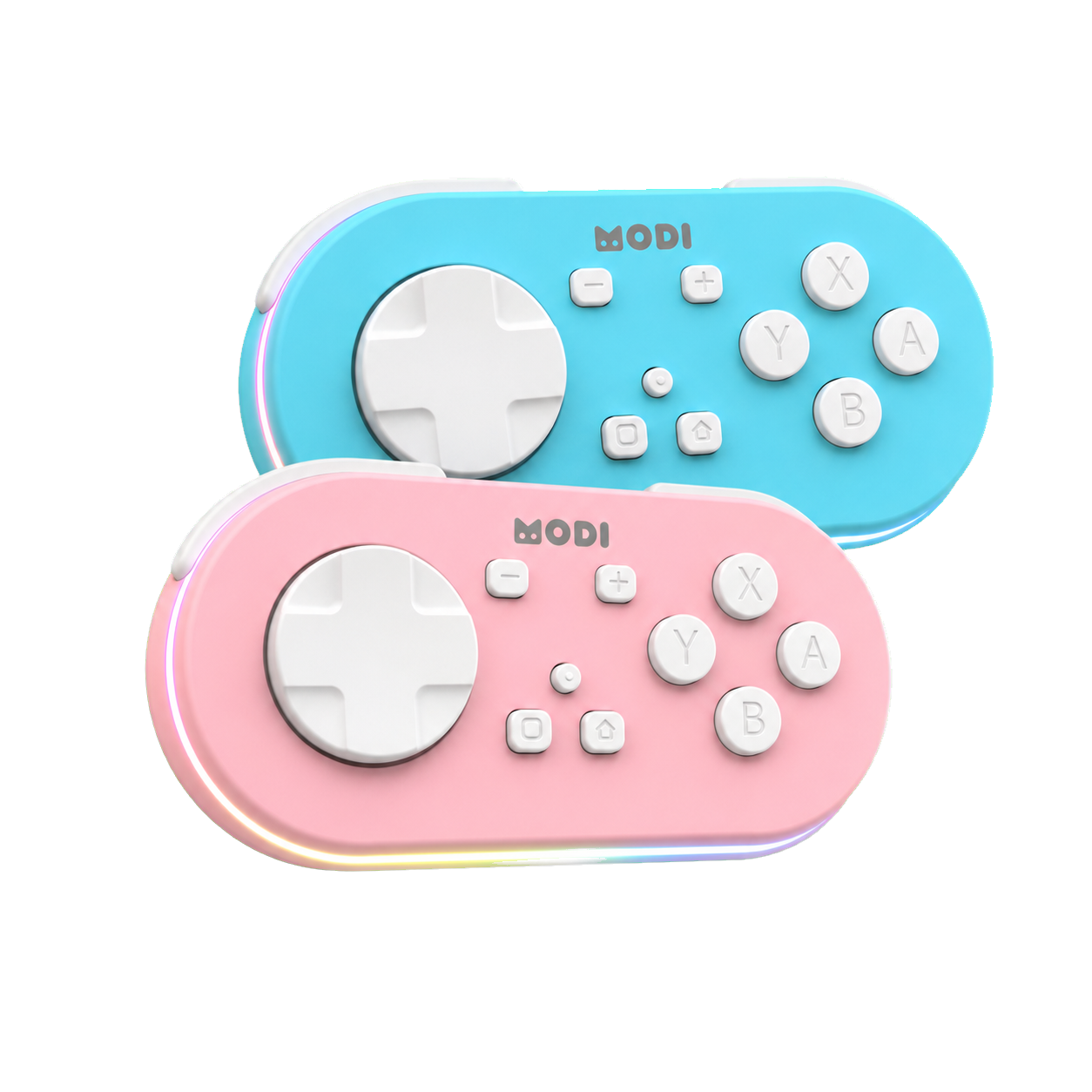
To map Again, Hard, Good, and Easy to an Anki remote, decide which four physical buttons you can press without looking, then assign those buttons to Anki’s four answer outcomes in the relevant app or add-on. On desktop Anki, MODI can use Keyboard Mode presets or Switch Mode with the optional MODI add-on. On AnkiMobile and AnkiDroid, use Switch Mode and configure gamepad or key-bind actions inside the app.
To map Again, Hard, Good, and Easy to an Anki remote, decide which four physical buttons you can press without looking, then assign those buttons to Anki’s four answer outcomes in the relevant app or add-on. On desktop Anki, MODI can use Keyboard Mode presets or Switch Mode with the optional MODI add-on. On AnkiMobile and AnkiDroid, use Switch Mode and configure gamepad or key-bind actions inside the app.
Keep the mapping deliberate: Again should be hardest to hit by accident, Good should be the easiest default press, and Hard and Easy should sit where their meanings are obvious during review. MODI is an independent Bluetooth accessory, not an official Anki, AnkiMobile, or AnkiDroid product, so the remote sends inputs while each app decides how those inputs become answer actions.
Know the Four Outcomes
Again, Hard, Good, and Easy are Anki review outcomes, not MODI-specific study judgments. Again is the answer you choose when the card needs to come back sooner. Hard is for a correct or partially remembered answer that still felt difficult. Good is the normal answer when the card was remembered acceptably. Easy is for material that felt unusually straightforward compared with the card’s current schedule.
Because those labels affect the review decision, avoid mapping them by button position alone. A remote layout that feels convenient in one hand can still cause mistakes if Easy sits where your thumb expects Good, or Again sits next to a frequent navigation control. Before changing settings, say the four actions aloud while pressing the intended buttons a few times. That quick rehearsal catches confusing layouts early.
Start With the Default Workflow
If you are using MODI on macOS, Windows, or Linux with desktop Anki, Keyboard Mode is the simplest starting point because it includes preset review inputs and does not require an Anki add-on. Desktop Anki itself supports common keyboard controls, including Space or Enter to reveal an answer or choose Good, and number keys for answer buttons when those buttons are available.
Use the default workflow first if your goal is only to review cards without custom remapping. For first pairing and mode selection steps, use complete MODI setup tutorial before changing app settings. Once the remote is connected, open a review session with safe test cards and confirm that the buttons you plan to use trigger the expected answer outcomes. Testing inside review matters more than assumptions from the Bluetooth screen.
Use Switch Mode for Custom Mapping
When a desktop user wants custom button assignments, use MODI in Switch Mode with the optional MODI Anki add-on. The add-on code is 406900239, and after installation and restart it opens a MODI Anki Remote menu where buttons can be configured. This add-on extends desktop Anki; it is not required for the default Keyboard Mode workflow.
Custom mapping is useful when the preset layout does not match your hand position or when you want the four answer outcomes clustered in a specific pattern. Keep the four review buttons separate from Undo, Suspend, Escape, Spacebar, and direction navigation so a normal review press does not become an editing or navigation command. If Anki changes later, add-ons may need updates before custom behavior works as expected.
Choose a Physical Pattern
A practical pattern is to make Good the central or most natural press, because many review sessions use it as the normal remembered outcome. Put Again away from that default position so a slip does not mark a remembered card as failed. Hard should be near Good but distinct, while Easy can sit on the opposite side or an upper button where it feels intentionally chosen.
The recommended MODI orientation is vertical with the D-pad facing down, but the right mapping is the one you can repeat consistently. If you hold the remote one-handed, test the layout in the same posture you will use during review. Reduced reaching is a workflow preference, not a medical claim. The goal is simple: make each answer choice recognizable before your eyes leave the card.
Map Mobile Review Actions
For AnkiMobile on iPhone and iPad, use Switch Mode for the standard MODI mobile setup. After iOS recognizes the controller profile, open AnkiMobile settings, go to Review, then Gamepads, and assign the desired actions. Treat those assignments as AnkiMobile settings: MODI provides the input, while AnkiMobile determines which gamepad input becomes Again, Hard, Good, or Easy.
For AnkiDroid on Android, also use Switch Mode, then open Settings, Controls, and Set Key Binds. A third-party display mapping issue can make X-Y-B-A inputs appear as Y-X-A-B in the AnkiDroid menu. That is a visual label mismatch, not automatically a broken assignment. Set the commands, test the four answer choices in review, and adjust based on the action that actually fires.
Test and Troubleshoot Carefully
After mapping, run a short test review and press each assigned button once: Again, Hard, Good, and Easy. Watch the on-screen answer outcome rather than relying only on button labels. If an action is wrong, change one mapping at a time and test again. Changing several inputs at once makes it harder to identify whether the issue is the remote mode, the app setting, or the chosen button.
If the remote connects but the mapped actions do not respond after a fresh pairing, begin with Bluetooth basics before assuming the mapping is defective. When changing modes or moving to another device, forget saved MODI or Anki remote entries and repair in the desired mode. If it still connects but remains unresponsive, restart the host device, reconnect, and test the four answer actions again.
Sources and product references
This first-party MODI guide was checked against the current product manual and relevant app documentation. App menus and third-party behavior can change after publication.