
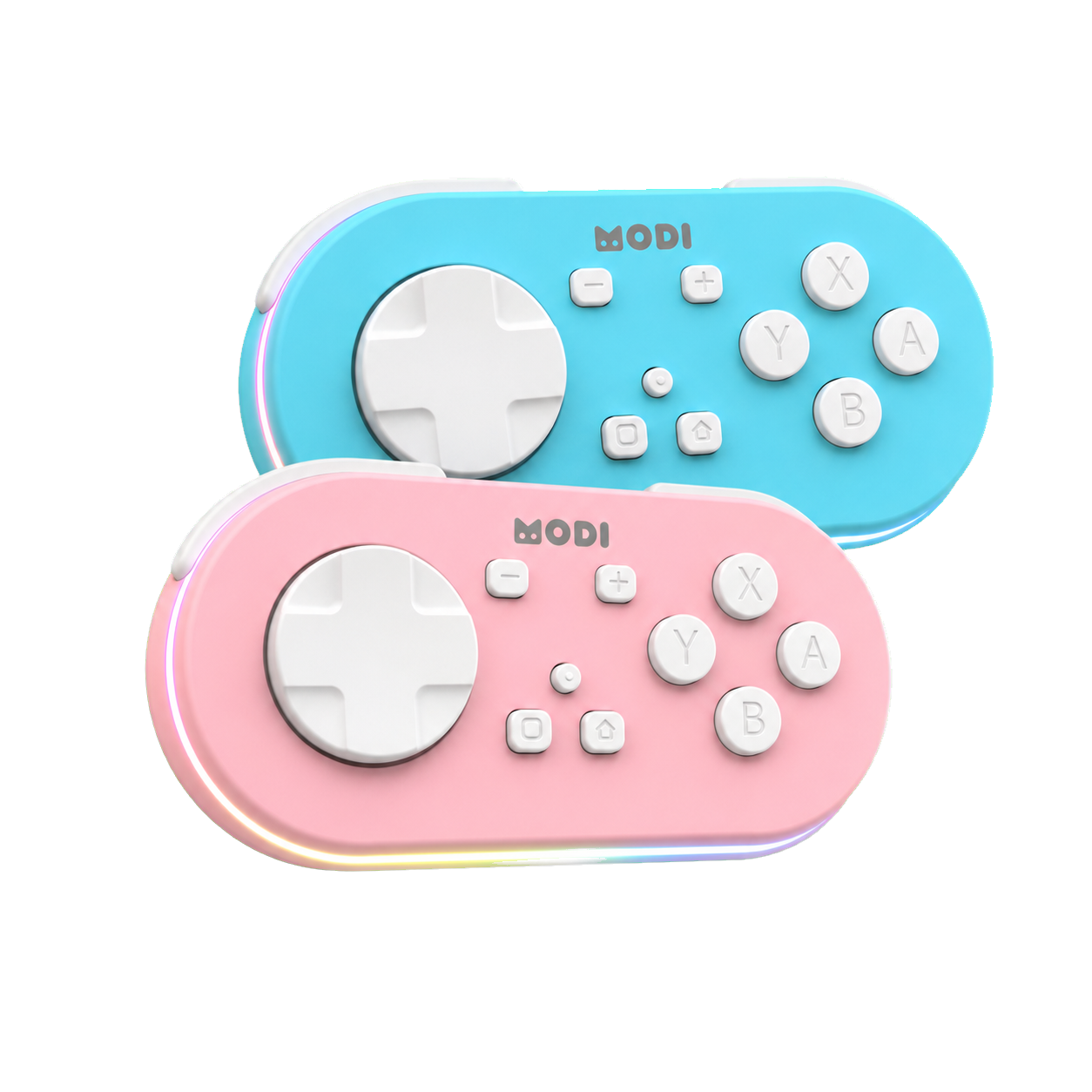
If your MODI Anki remote shows as connected on Android but AnkiDroid does not respond, start with mode and keybind configuration. For the standard Android workflow, MODI should be paired in Switch Mode, because that mode exposes gamepad-style inputs that AnkiDroid can bind inside its Controls settings. A Bluetooth connection alone only confirms that Android sees the device; it does not prove that AnkiDroid is focused, listening for the expected input type, or mapped to actions.
If your MODI Anki remote shows as connected on Android but AnkiDroid does not respond, start with mode and keybind configuration. For the standard Android workflow, MODI should be paired in Switch Mode, because that mode exposes gamepad-style inputs that AnkiDroid can bind inside its Controls settings. A Bluetooth connection alone only confirms that Android sees the device; it does not prove that AnkiDroid is focused, listening for the expected input type, or mapped to actions.
MODI is an independent Bluetooth accessory, not an AnkiDroid product or an official Anki controller. That distinction matters during troubleshooting because part of the chain belongs to the remote, part belongs to Android Bluetooth, and part belongs to AnkiDroid’s control settings. A practical sequence is to verify Switch Mode, check the app’s Set Key Binds screen, remove stale Bluetooth entries, and restart the Android device if a fresh pairing still connects without producing actions. For the full pairing sequence and mode overview, see the complete MODI setup tutorial.
Switch Mode
On Android, the usual MODI setup for AnkiDroid is Switch Mode. To pair in that mode, open Android Bluetooth settings, hold Y plus Home for one second, and select the MODI connection when it appears. After a successful Switch Mode connection, the center LED becomes solid blue. If the remote was previously paired in Keyboard Mode, Android may still remember that older profile, which can leave AnkiDroid receiving inputs differently than the workflow expects.
Do not judge the mode only by whether the device appears connected. Keyboard Mode is intended mainly for desktop Anki use with preset keybindings, while Switch Mode is recommended for AnkiDroid because it exposes gamepad-style inputs. If the center LED is not solid blue after pairing, or if you are unsure which mode Android saved, remove the saved MODI entry and pair again using Y plus Home. That resets the first assumption before you change settings inside AnkiDroid.
Controls Mapping
After Switch Mode pairing, open AnkiDroid and go to Settings, then Controls, then Set Key Binds. This is where AnkiDroid decides what each incoming button should do during review. A connected remote may appear unresponsive when no action has been assigned, when the wrong action was assigned, or when the binding was made while the app displayed an unexpected input label. Assign one button to a simple review action first, then test it on an active review card.
There is one Android-specific detail that can look confusing during setup. Because of a third-party display mapping issue, X, Y, B, and A inputs can appear in AnkiDroid as Y, X, A, and B. Treat that as a visual label mismatch rather than proof that the remote has failed. Bind the button you physically pressed to the command you want, then test the behavior. The label shown in the menu may not match the printed letter on the controller.
App Focus
If the remote works in the Set Key Binds screen but not during review, check app focus and the screen you are testing. AnkiDroid must be the active app, and the review screen must be ready for the command you assigned. Some actions only make sense at specific moments, such as after a card answer is visible. Test with a command that should be easy to notice, then confirm whether the problem is every button or only one assigned action.
Also separate connection troubleshooting from action troubleshooting. Android’s Bluetooth page can say connected while AnkiDroid is in a menu, backgrounded, or waiting on a screen where the chosen command has no visible effect. Return to a card, tap the screen once if needed to make AnkiDroid active, and press the mapped button deliberately. If one action works and another does not, revisit Controls rather than repeating Bluetooth pairing immediately. The app mapping is then the likely next place to inspect.
Forget And Re-pair
When switching MODI between modes or moving it from another phone, tablet, or computer, the preferred starting point is to forget every saved MODI or Anki remote entry in Bluetooth settings. Then repeat the full pairing steps for Switch Mode. This prevents Android from reconnecting to a stale saved profile while you assume a fresh configuration is active. It is especially important if the remote was recently used with desktop Anki, AnkiMobile, or another Android device.
After forgetting old entries, put the remote back into pairing using Y plus Home for one second from Bluetooth settings and select the MODI connection again. Wait for the center LED to become solid blue before testing AnkiDroid. If Android shows more than one old entry with similar names, remove each one before pairing. A clean Bluetooth list reduces guesswork and keeps the next test focused on whether a new Switch Mode connection and AnkiDroid keybinds respond correctly.
Restart The Device
If MODI connects in Switch Mode, the LED is solid blue, and AnkiDroid keybinds still do not respond after a fresh pairing, restart the Android device. This is a documented next step when the remote connects but remains unresponsive after re-pairing. A restart can clear host-device Bluetooth and app state that may not reset just because the device was forgotten and paired again. After the phone or tablet starts, reconnect MODI and test one mapped AnkiDroid action first.
A restart should not be treated as proof that the remote caused the issue. Bluetooth state, saved pairings, battery condition, AnkiDroid settings, app focus, and Android behavior can all affect the result. If the remote had been asleep, press Home to wake and reconnect in the last-used mode before retesting. If it has been idle or disconnected, remember that MODI can sleep automatically, so confirm it is awake and connected before changing more app settings.
Limits And Next Checks
Keep the troubleshooting narrow: Android support here depends on AnkiDroid accepting the gamepad-style inputs exposed through Switch Mode and on your chosen keybinds. MODI does not make every app, website, browser, or shortcut respond automatically. For AnkiDroid, the relevant check is whether the app receives a button press and maps it to a supported command. Once that is working, refine the button layout around the actions you actually use during review.
If the remote is still connected but inactive after Switch Mode pairing, Set Key Binds configuration, stale-pairing cleanup, and a host-device restart, repeat the test with one button and one obvious action before changing several settings at once. That makes the remaining symptom easier to identify. Avoid opening the product, modifying firmware, or inferring battery percentage from undocumented LED behavior. When the LED flashes red quickly, charge the remote, then return to the same focused Android and AnkiDroid checks.
Sources and product references
This first-party MODI guide was checked against the current product manual and relevant app documentation. App menus and third-party behavior can change after publication.