
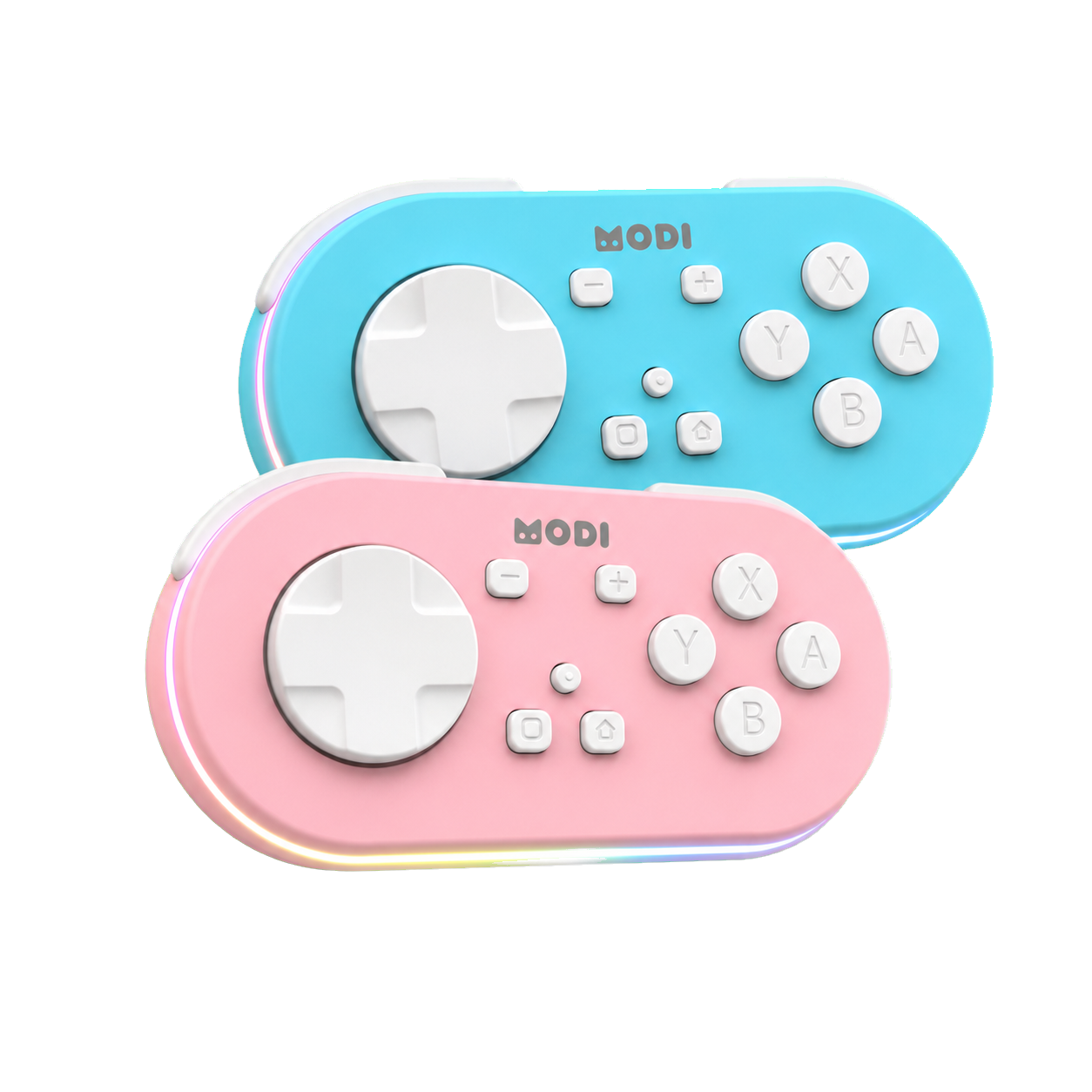
To configure the MODI D-pad for AnkiDroid review, pair MODI in Switch Mode, open AnkiDroid's Controls settings, then assign each direction to one review action you can verify immediately. The D-pad can work well for navigation-style commands, but the useful mapping depends on what AnkiDroid accepts from the controller profile. Treat MODI as an independent Bluetooth accessory, not an official AnkiDroid device, and test the directions inside the app before relying on them.
To configure the MODI D-pad for AnkiDroid review, pair MODI in Switch Mode, open AnkiDroid’s Controls settings, then assign each direction to one review action you can verify immediately. The D-pad can work well for navigation-style commands, but the useful mapping depends on what AnkiDroid accepts from the controller profile. Treat MODI as an independent Bluetooth accessory, not an official AnkiDroid device, and test the directions inside the app before relying on them.
The practical goal is to make the D-pad predictable, not to fill every direction with a shortcut. Start with MODI held vertically, with the D-pad facing down, because that is the recommended orientation and it makes directional testing easier to interpret. If you are setting up MODI for the first time, use complete MODI setup tutorial for the broader pairing context, then return to AnkiDroid’s Controls menu for the button assignments described here.
Use Switch Mode
For AnkiDroid, use MODI’s Switch Mode rather than Keyboard Mode for the standard mobile setup. Switch Mode exposes gamepad-style inputs, which is the input style AnkiDroid can bind through its controls settings. Open the Android device’s Bluetooth settings, hold Y plus Home on MODI for one second, then select the MODI connection when it appears. After a successful Switch Mode connection, the center LED becomes solid blue, giving you a simple mode check before configuring actions.
If the remote was previously paired in another mode or with another device, remove saved MODI or Anki remote entries from Android Bluetooth settings before pairing again. This matters because old Bluetooth records can make the device appear connected while AnkiDroid receives a different input profile than expected. After forgetting the entries, repeat the Switch Mode pairing steps. If MODI connects but remains unresponsive after a fresh pairing, restart the Android device and try the pairing and controls setup again.
Hold It Vertically
MODI’s recommended orientation is vertical with the D-pad facing down. Use that orientation during setup, even if you later adjust how you hold it during review. A consistent physical position keeps “up,” “down,” “left,” and “right” from becoming ambiguous while you are assigning actions. It also makes it easier to notice whether a direction is misread, unassigned, or simply mapped to an action that is not visible on the current review screen.
Do not treat the orientation choice as a medical or performance claim. It is a workflow choice that can reduce reaching or support one-handed control depending on how you review. The important setup point is consistency: hold MODI the same way while binding, testing, and reviewing. If you rotate the remote after mapping the D-pad, the physical direction under your thumb may no longer match the label or action you intended in AnkiDroid.
Open Controls
In AnkiDroid, open Settings, then Controls, then Set Key Binds. This is the app-side location where you assign controller inputs to available review commands. MODI supplies the Bluetooth input; AnkiDroid decides which actions are offered and how the binding screen displays them. That distinction is important when troubleshooting. A working Bluetooth connection does not automatically mean every desired review action is already assigned, visible, or available in the exact wording you expected.
When you reach the binding screen, press only the D-pad direction you are currently assigning. Avoid pressing several directions quickly, because that can make it harder to tell which input AnkiDroid captured. Choose review actions that are easy to verify during a real card, such as reveal or answer behavior, if those actions are available in your AnkiDroid controls list. Keep any non-D-pad buttons unchanged until you know the directional inputs are being detected reliably.
Map One Direction
A one-direction-at-a-time test is the cleanest way to configure the D-pad. Assign a single direction first, save or leave the settings screen as AnkiDroid requires, then open a review card and press that direction once. Confirm the expected action happens only when that direction is pressed. If it works, return to Controls and bind the next direction. This slower approach prevents four simultaneous changes from hiding the one input that needs attention.
If the first direction does not work, do not assume the remote is defective. Check that MODI is still connected in Switch Mode, that Android has not switched to another saved Bluetooth entry, and that AnkiDroid actually recorded the input in Set Key Binds. Also make sure the current card state can show the assigned action. For example, an answer-button action may only be obvious after the answer side is visible or when that command is valid.
Check Labels
AnkiDroid has a known third-party display mapping issue where X-Y-B-A inputs can appear as Y-X-A-B in the menu. That issue is a visual label mismatch, and assigned commands can still function normally. For D-pad work, the lesson is the same: trust a real review-screen test more than a label alone. If the label looks surprising but the mapped command fires correctly, document the working mapping for yourself and continue.
When a label and a real input disagree, change only one variable at a time. Rebind the direction, test it on a card, and note whether the behavior changed. If nothing changes, forget the saved Bluetooth entry and pair again in Switch Mode before editing every control. This keeps troubleshooting tied to observable behavior: Bluetooth profile, AnkiDroid binding, and review-screen response, rather than guessing from a single menu label.
Keep Mappings Simple
The D-pad is usually easiest to manage when each direction has a clear, repeated purpose. You might use it for movement-style review actions or for a small set of commands you use often, depending on what AnkiDroid exposes in Controls. Avoid mapping every direction to similar commands during the first pass. If two directions produce effects that look alike on screen, it becomes harder to catch a mistaken binding during normal review.
After all four directions pass individual tests, run a short navigation check inside an actual review session. Press each direction once, in the same vertical orientation used during setup, and confirm the result before continuing. If a direction stops responding later, begin with the same diagnostic order: check battery and wake state, confirm the Bluetooth connection, verify the AnkiDroid key bind, then restart the Android device if a fresh pairing connects but remains unresponsive.
Sources and product references
This first-party MODI guide was checked against the current product manual and relevant app documentation. App menus and third-party behavior can change after publication.