
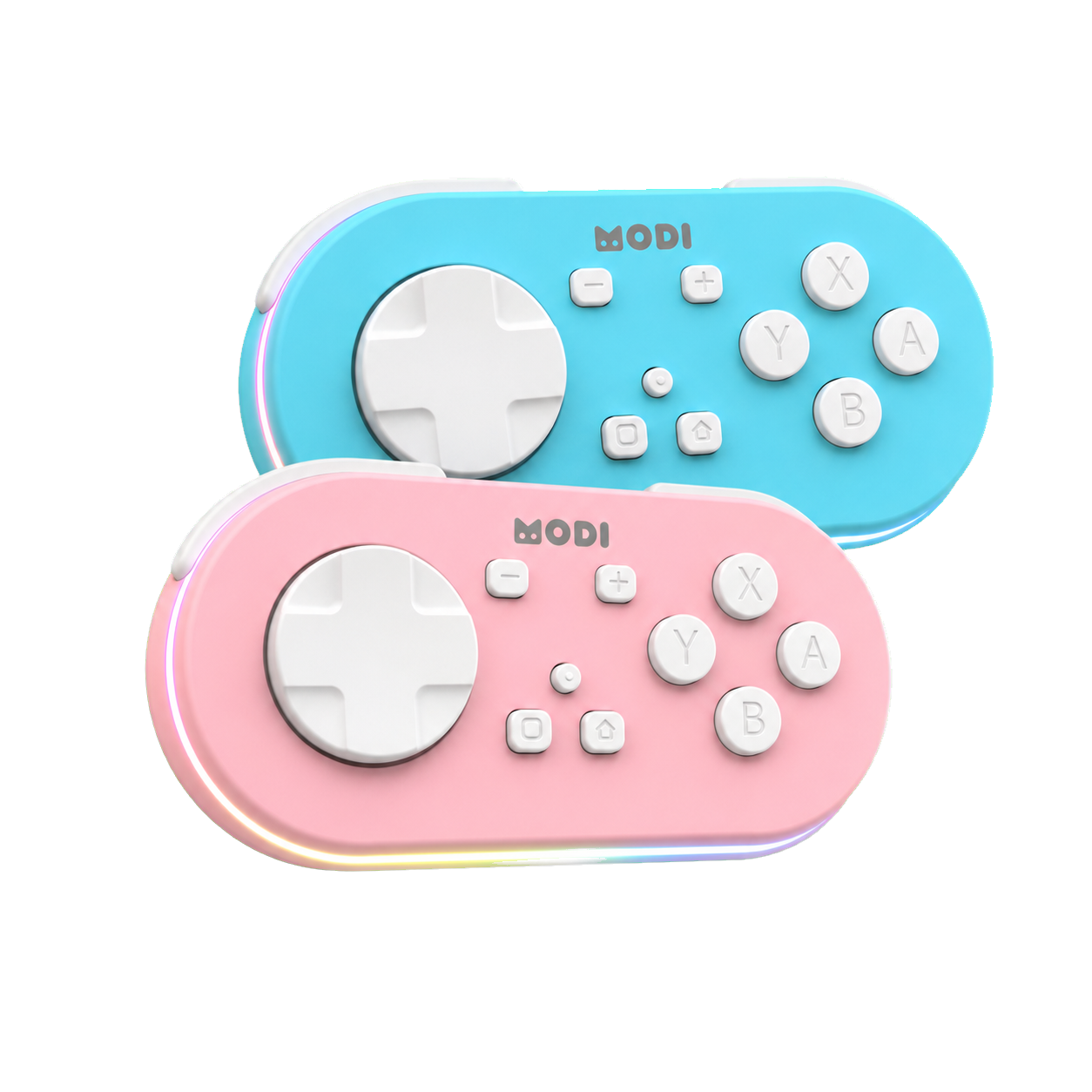
To review Anki away from a desk, treat the remote as only one part of the setup: the screen must stay visible, the paired device must stay stable, and the most important review controls must be reachable without guesswork. MODI can help with one-handed Anki review workflows over Bluetooth, but it is an independent accessory, not an official Anki product or a device certified by Anki, AnkiMobile, AnkiDroid, Apple, Google, Microsoft, or Amazon.
To review Anki away from a desk, treat the remote as only one part of the setup: the screen must stay visible, the paired device must stay stable, and the most important review controls must be reachable without guesswork. MODI can help with one-handed Anki review workflows over Bluetooth, but it is an independent accessory, not an official Anki product or a device certified by Anki, AnkiMobile, AnkiDroid, Apple, Google, Microsoft, or Amazon.
A couch, bed, recliner, or floor setup changes the practical details. You are farther from the screen, the phone or tablet may shift, and Bluetooth behavior depends on the host device and app configuration. Start by pairing MODI in the mode your device and app expect, then arrange the display before starting a long review session. For full pairing instructions, use the complete MODI setup tutorial after deciding which device will run Anki.
Stabilize Display
Screen visibility matters more away from a desk because small movements can interrupt review rhythm. Place the laptop, tablet, or phone where the answer buttons, prompt text, and media controls are readable without leaning forward every card. A tablet stand, laptop tray, or firm cushion can work if it keeps the device from sliding. Avoid balancing the device on soft fabric where taps, vibration, or shifting posture can change the viewing angle during a session.
Set brightness, zoom, and orientation before connecting the remote so you can verify the whole study screen from your actual seat. If you use a phone, landscape or portrait may affect how much answer text remains visible. If you use a laptop across the room, make sure the keyboard remains accessible as a fallback. MODI can send inputs, but it does not solve glare, tiny text, hidden buttons, or an unstable display surface.
Choose Device
Pick one host device for the session and pair the remote to that device deliberately. MODI uses Bluetooth, and the preferred starting point when moving between a phone, tablet, or computer is to forget saved MODI or Anki remote entries, then repeat the full connection steps for the desired mode. This reduces confusion from stale pairings, especially if the remote was previously connected to another screen nearby.
On macOS, Windows, or Linux desktop Anki, Keyboard Mode is the straightforward choice when you want the preset keybindings and do not need custom remapping. Hold A plus Home for one second in Bluetooth settings, then select the MODI connection; a solid green center LED indicates a successful Keyboard Mode connection. On iPhone, iPad, or Android, Switch Mode is the standard mobile setup because it exposes gamepad-style inputs that the mobile apps can configure.
Pick Mode
Switch Mode is useful on desktop only when you want custom remapping through the optional MODI Anki add-on. It is also the recommended mode for AnkiMobile and AnkiDroid. Pair it by opening Bluetooth settings, holding Y plus Home for one second, and selecting the MODI connection. A solid blue center LED indicates a successful Switch Mode connection. Pressing Home later wakes MODI and reconnects it in the last-used mode.
Do not mix modes casually during a couch setup. If you change from Keyboard Mode to Switch Mode, or the reverse, forget every saved MODI or Anki remote entry in Bluetooth settings first, then pair again. If the remote connects but remains unresponsive after a fresh pairing, restart the host device and try once more. That next step matters because Bluetooth state and host-device behavior can affect input response.
Map Essentials
Away from a desk, prioritize the controls you actually need for review rather than every possible shortcut. Keyboard Mode includes preset inputs for Again, Hard, Good or Next, Easy, Undo, Suspend, Escape, Spacebar, and direction-key navigation. Desktop Anki also supports common keyboard controls such as Space or Enter to reveal an answer or choose Good, and 1 through 4 for answer buttons when those buttons are available.
For mobile review, configure actions inside the app rather than assuming desktop shortcuts apply. In AnkiMobile, use Settings, Review, then Gamepads to assign the desired actions when iOS recognizes the controller profile. In AnkiDroid, use Settings, Controls, then Set Key Binds. If X, Y, B, and A appear visually swapped in AnkiDroid, treat it as a display label mismatch; assigned commands can still function normally.
Check Range
There is no useful reason to plan a couch setup around an invented Bluetooth range number. Instead, test from the exact seat, angle, and room arrangement you plan to use. Connect MODI, open a small review set, and press the main buttons slowly while watching whether the app receives each input. Walls, furniture, competing Bluetooth devices, battery state, and the host device can all affect whether the setup feels reliable.
If inputs arrive inconsistently, move the paired device closer before blaming the remote. Then confirm the remote is awake, the LED indicates the expected connection mode, and the app is focused on the review screen. MODI automatically sleeps after about 2.5 minutes without a Bluetooth connection or 5 minutes of inactivity, and holding Home for 3 seconds manually sleeps or turns off the remote. Wake it with Home before testing again.
Keep Fallbacks
A remote setup should still have a fallback. Keep the laptop keyboard, phone screen, tablet touch controls, or desktop mouse within reach until you know the pairing and app mapping are working. This is especially important when reviewing away from a desk because getting up to fix a missed control defeats the point of the arrangement. The fallback does not need to be primary; it only needs to let you reveal, answer, undo, or exit safely.
Use the remote for the stable actions and the device itself for anything that feels uncertain. If you open browser-based Quizlet on desktop, Keyboard Mode may provide basic direction-key and Spacebar-style controls, but support depends on whether that site accepts the current input. The same principle applies to other software. MODI sends keyboard or gamepad-style input by mode; each app decides what those inputs do, so verify before relying on them.
Sources and product references
This first-party MODI guide was checked against the current product manual and relevant app documentation. App menus and third-party behavior can change after publication.