
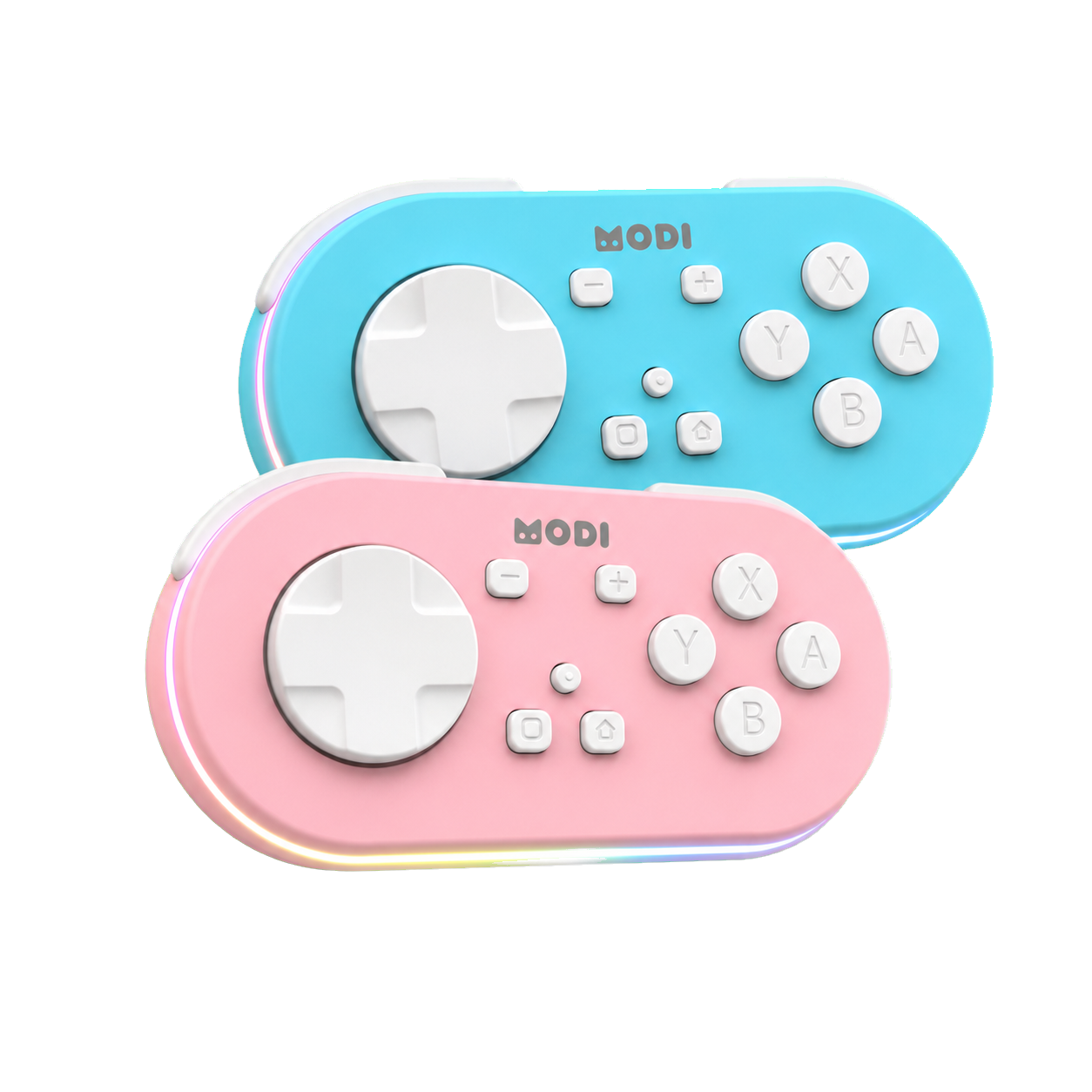
To pair a MODI Anki remote with Windows 11, open the Bluetooth device menu, put the remote in the correct pairing mode, select the MODI entry, and confirm that the center LED shows the expected connection color. For the default desktop Anki workflow, use Keyboard Mode by holding A + Home for one second before choosing the remote in Windows Bluetooth settings.
To pair a MODI Anki remote with Windows 11, open the Bluetooth device menu, put the remote in the correct pairing mode, select the MODI entry, and confirm that the center LED shows the expected connection color. For the default desktop Anki workflow, use Keyboard Mode by holding A + Home for one second before choosing the remote in Windows Bluetooth settings.
This guide focuses on Windows 11 pairing and cleanup when old Bluetooth entries get in the way. MODI is an independent Bluetooth accessory, not an official Anki or Microsoft product, so the remote connection and Anki behavior are separate pieces. If you need the wider setup path after pairing, use complete MODI setup tutorial as the broader reference while keeping this checklist focused on Windows Bluetooth.
Open Windows Bluetooth Settings
Start from Windows 11 Settings, then open Bluetooth & devices. Make sure Bluetooth is turned on before putting the remote into pairing mode, because Windows needs to be scanning when the remote advertises itself. If you use the quick settings panel from the taskbar, it can confirm Bluetooth is enabled, but the full Settings screen is better for seeing saved entries and removing stale devices.
Choose Add device, then Bluetooth, and wait for Windows to list nearby devices. Keep the MODI remote close to the computer while pairing, especially if you have several Bluetooth accessories nearby. Do not start in Anki, because the operating system must recognize the device first. Anki can only respond after Windows has accepted the remote as an input device.
Use The Correct Pairing Combo
For the standard Windows desktop setup, use Keyboard Mode. Hold A + Home for one second, then select the MODI connection when it appears in the Bluetooth list. A successful Keyboard Mode connection is shown by the center LED becoming solid green. This mode is intended for macOS, Windows, and Linux desktop use with preset keybindings, and no Anki add-on is required for the default workflow.
Avoid mixing this with Switch Mode unless you specifically want the optional desktop add-on remapping workflow. Switch Mode is started with Y + Home for one second and shows a solid blue center LED after connection. On Windows, using the wrong mode can make troubleshooting confusing because Windows may remember the remote as a different kind of input device.
Clean Up Saved Entries
If Windows shows more than one saved MODI or Anki remote entry, remove every old entry before pairing again. In Bluetooth & devices, open the device list, choose the menu for each saved remote entry, and remove it. This matters when the remote was previously paired in another mode, because Windows can try to reconnect to an old profile instead of accepting the fresh pairing attempt.
Use the same cleanup step when moving the remote from another computer, phone, or tablet to this Windows 11 machine. Forget the saved entry on the previous device when possible, then remove duplicate entries on Windows before repeating the Keyboard Mode pairing combo. A clean Bluetooth list makes the next connection attempt easier to interpret and prevents stale pairings from looking like product failure.
Verify The Connection
After Windows reports that pairing is complete, check the remote before changing Anki settings. In Keyboard Mode, the center LED should be solid green. Press Home to wake and reconnect the remote in the last-used mode if it has gone idle. The remote may sleep after about 2.5 minutes without a Bluetooth connection or after about 5 minutes of inactivity.
Once Windows is connected, open desktop Anki and test basic review inputs in a card review screen. Keyboard Mode includes preset controls for actions such as revealing or choosing Good/Next, answer buttons, Undo, Suspend, Escape, Spacebar, and direction-key navigation. Desktop Anki itself also supports common keyboard controls, so confirm the active screen is one where those inputs can actually do something.
Recover From No Response
If the remote appears connected but does not control Anki, first separate Bluetooth status from app behavior. Confirm the center LED color, make sure the remote is awake, and check whether Windows still lists it as connected. Then close and reopen Anki, return to a review screen, and test simple inputs again. The issue may be saved pairing state, battery state, Windows input handling, or app focus.
When a fresh pairing still connects but remains unresponsive, restart the Windows 11 computer and try again. This is the preferred next diagnostic step after removing old entries and repeating the full pairing process. Do not assume every failure comes from the remote itself. Bluetooth state, remembered device profiles, app focus, and host-device behavior can all affect whether a connected input is usable.
When To Use The Add-On
The optional MODI desktop add-on is for users who want custom remapping through desktop Anki. It is not required for the default Keyboard Mode workflow on Windows 11. If you install it, use desktop Anki’s add-on flow, enter code 406900239, restart Anki, then open MODI Anki Remote from the Anki menu to configure buttons.
If your goal is only to pair the remote in Windows Bluetooth settings and use the preset desktop controls, finish the Bluetooth checklist before touching add-on settings. Add-ons extend desktop Anki and may need updates after Anki changes, so they should not be treated as the first fix for basic pairing. Start with the correct mode, clean saved entries, and a verified Windows connection.
Sources and product references
This first-party MODI guide was checked against the current product manual and relevant app documentation. App menus and third-party behavior can change after publication.