
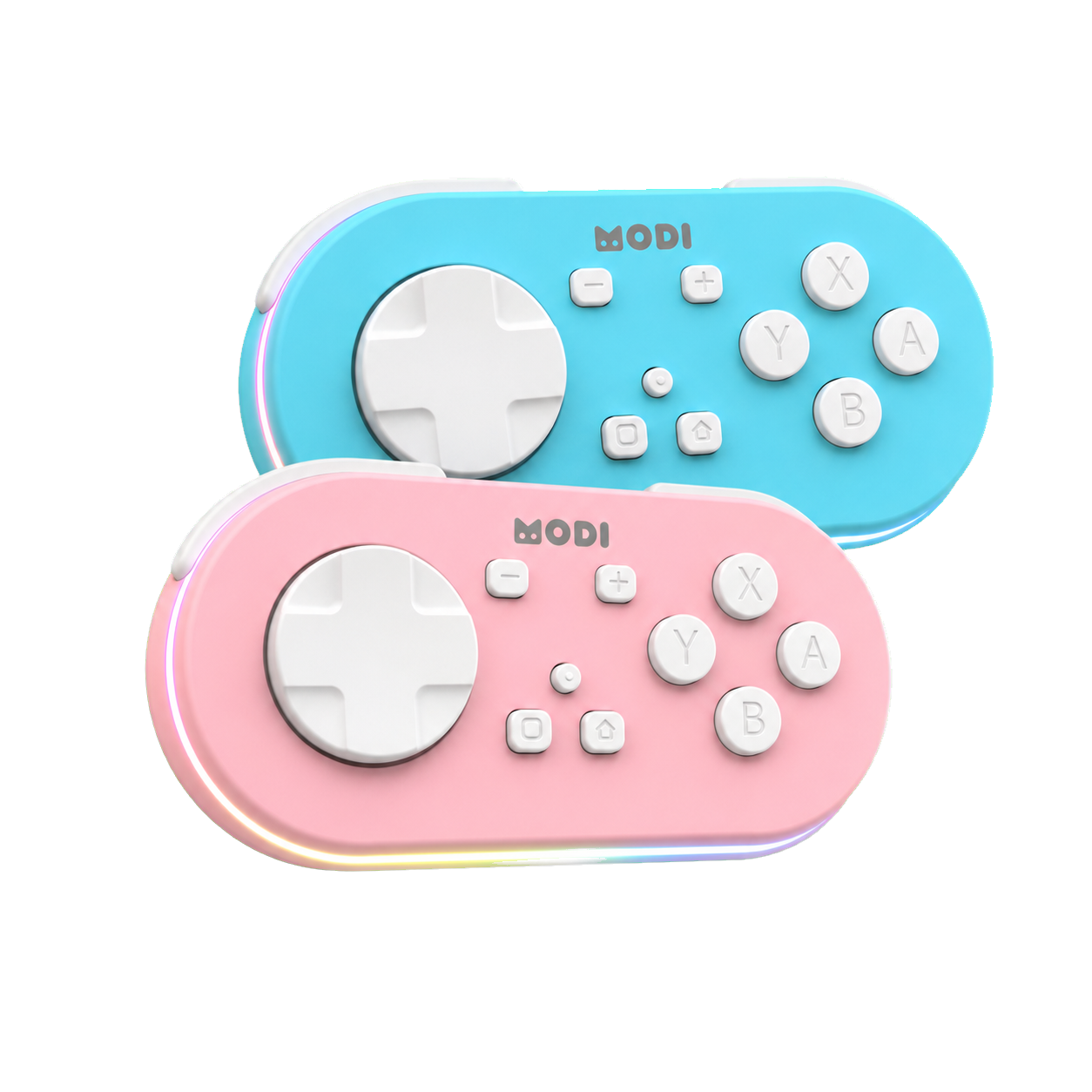
To pair a MODI Anki remote with a Mac, start in macOS Bluetooth settings, choose the connection mode you want, then hold the matching button combination on the remote for one second. Use Keyboard Mode for the standard desktop Anki workflow: hold A + Home, select the MODI entry when it appears, and look for a solid green center LED after the connection succeeds.
To pair a MODI Anki remote with a Mac, start in macOS Bluetooth settings, choose the connection mode you want, then hold the matching button combination on the remote for one second. Use Keyboard Mode for the standard desktop Anki workflow: hold A + Home, select the MODI entry when it appears, and look for a solid green center LED after the connection succeeds.
This checklist focuses on Mac Bluetooth pairing, reconnection, and mode cleanup. MODI is an independent Bluetooth accessory, not an official Anki product or an Apple-certified Anki device. macOS handles the Bluetooth connection, while desktop Anki responds to the keyboard-style inputs that MODI sends in Keyboard Mode. For the broader device setup beyond Mac pairing, use complete MODI setup tutorial after this Mac-specific pass.
Before You Open Bluetooth Settings
Charge the remote if the LED is flashing red quickly, because a low battery can make pairing harder to interpret. MODI uses Bluetooth 2.1, so the Mac should see it through the normal Bluetooth panel rather than a special Anki installer. Keep the remote close to the computer during setup, and make sure it is not already connected to another phone, tablet, or computer nearby.
Decide which mode you are pairing before you start. For most Mac users reviewing in desktop Anki, Keyboard Mode is the direct path because it uses preset keybindings and does not require the optional MODI add-on. Switch Mode is mainly for custom remapping through the MODI desktop add-on or for mobile setups, so do not choose it just because the word sounds more flexible.
First Pairing On macOS
Open Bluetooth settings on the Mac and leave that window visible. On the remote, hold A + Home for one second to start Keyboard Mode pairing. When the MODI Bluetooth entry appears, select it from the Mac’s device list. Wait for macOS to finish the connection rather than repeatedly pressing buttons, because duplicate attempts can leave the panel showing stale or confusing device states.
After a successful Keyboard Mode connection, the center LED becomes solid green. That LED state documents the remote’s mode and connection status; it does not prove that Anki is configured, focused, or ready to review. Open desktop Anki separately and test a simple review action only after macOS says the device is connected. If Anki is not the active window, keyboard input may go elsewhere.
What Keyboard Mode Does
Keyboard Mode sends preset desktop-style inputs for common review actions, including Again, Hard, Good or Next, Easy, Undo, Suspend, Escape, Spacebar, and direction-key navigation. Desktop Anki itself also supports keyboard controls such as Space or Enter to reveal an answer or choose Good, and number keys 1-4 when answer buttons are available. Those app behaviors come from Anki, not from macOS Bluetooth.
That distinction matters during troubleshooting. If the Mac shows MODI as connected and the center LED is solid green, Bluetooth pairing has likely succeeded. If the wrong action happens in Anki, check the active Anki screen, deck state, and relevant Anki keyboard behavior before assuming the Bluetooth connection failed. macOS only pairs the device; it does not translate Anki review actions or inspect which card state is visible.
Reconnecting With Home
Once MODI has already been paired in the desired mode, press Home to wake it and reconnect in the last-used mode. For a normal Mac review session, that means the remote should return to Keyboard Mode if Keyboard Mode was the most recent successful pairing. Give macOS a moment to reconnect before pressing review buttons, especially if the computer just woke from sleep.
The remote also manages its own sleep behavior. It automatically sleeps after approximately 2.5 minutes without a Bluetooth connection or after 5 minutes of inactivity. To manually sleep or turn off the remote, hold Home for 3 seconds. If it does not reconnect as expected, open macOS Bluetooth settings and confirm whether the Mac still lists the saved MODI device as connected, disconnected, or unavailable.
Changing Modes Cleanly
When changing from Keyboard Mode to Switch Mode, or from Switch Mode back to Keyboard Mode, clean up saved Bluetooth entries first. In macOS Bluetooth settings, forget every saved MODI or Anki remote entry, then repeat the full pairing steps for the mode you actually want. This prevents the Mac from reconnecting to an older profile while the remote is trying to advertise a different one.
For Mac desktop Anki, return to A + Home when you want Keyboard Mode and the solid green center LED. Use Y + Home only when you intentionally want Switch Mode, where the center LED becomes solid blue after a successful connection. If you use the optional desktop add-on for custom remapping, remember that add-ons extend desktop Anki; they are separate from the basic Mac Bluetooth pairing process.
If Pairing Looks Successful But Fails
If MODI connects in macOS but remains unresponsive after a fresh pairing, restart the Mac and try again. A restart is a reasonable next diagnostic step because host-device Bluetooth state can matter. Before restarting, also check that Anki is open, the review window is focused, and the remote is in the intended mode. A solid blue LED indicates Switch Mode, not the standard Keyboard Mode desktop setup.
If you are moving the remote from another device to the Mac, use the same forget-and-repair process as a mode change. Remove saved MODI or Anki remote entries from the previous host when practical, forget old entries on the Mac, then pair again from macOS Bluetooth settings. Avoid interpreting undocumented LED patterns as battery percentages or error codes; use only the manual’s defined signals when deciding the next step.
Sources and product references
This first-party MODI guide was checked against the current product manual and relevant app documentation. App menus and third-party behavior can change after publication.