
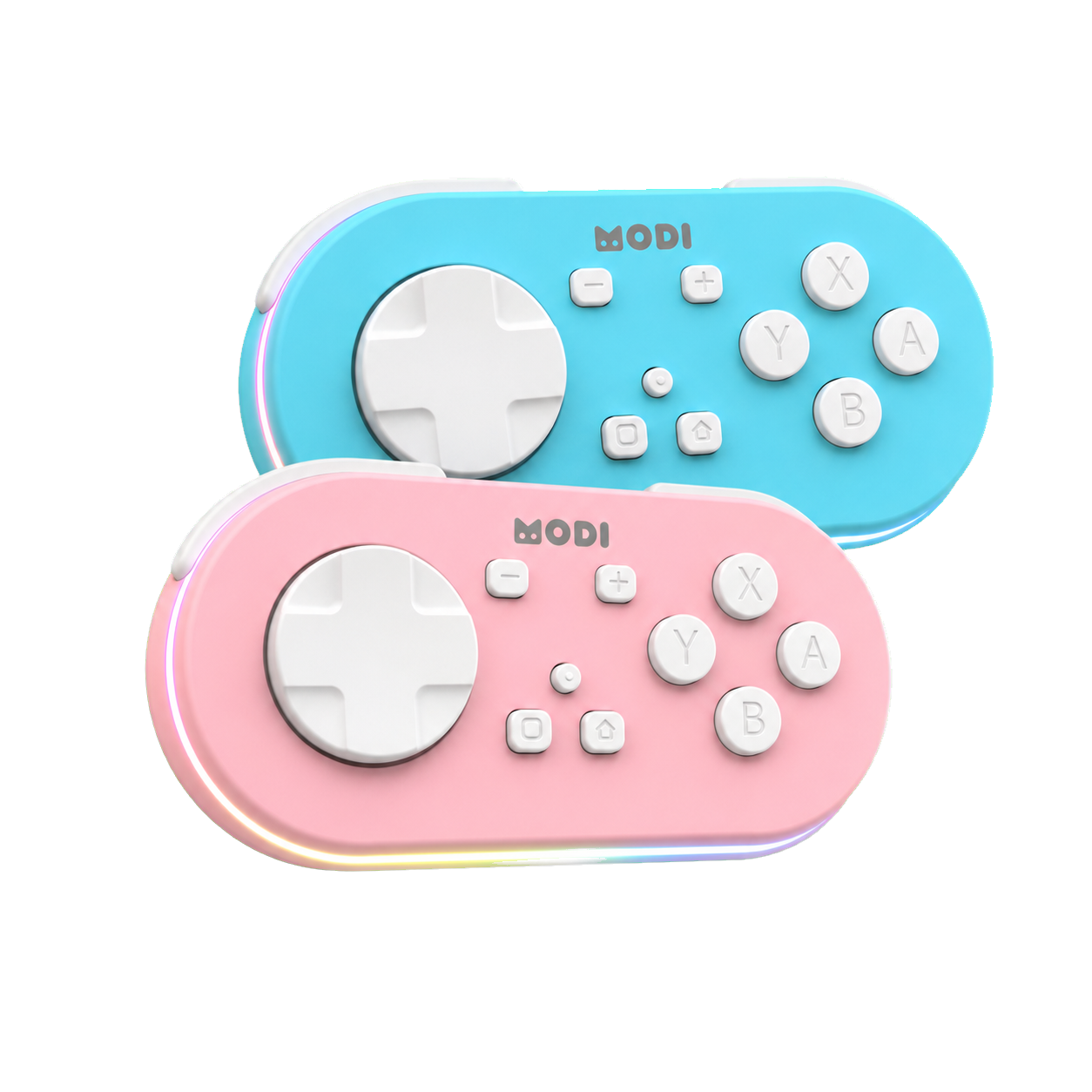
On Linux, the supported MODI Anki remote desktop workflow is Keyboard Mode: open your distribution's Bluetooth settings, put MODI into pairing with A + Home for one second, select the MODI connection, then test the preset review controls in desktop Anki. Linux Bluetooth menus differ across GNOME, KDE, Cinnamon, and other environments, so the exact labels may vary, but the sequence is the same: pair, confirm, and test.
On Linux, the supported MODI Anki remote desktop workflow is Keyboard Mode: open your distribution’s Bluetooth settings, put MODI into pairing with A + Home for one second, select the MODI connection, then test the preset review controls in desktop Anki. Linux Bluetooth menus differ across GNOME, KDE, Cinnamon, and other environments, so the exact labels may vary, but the sequence is the same: pair, confirm, and test.
MODI is an independent Bluetooth accessory, not an official Anki product, and it is not made, endorsed, or certified by Anki. That matters because the remote’s documented behavior is only one part of the setup. Your computer’s Bluetooth stack, saved pairings, desktop environment, battery state, and Anki’s own keyboard handling can each affect whether the first test feels straightforward or needs a quick reset afterward.
Check Linux Bluetooth First
Before pairing, make sure Bluetooth is enabled at both the system and desktop-session level. Some Linux installations show a single Bluetooth switch, while others separate adapter power, discoverability, and per-device connection controls. If your laptop has a hardware radio key or airplane-mode setting, check that too. MODI cannot bypass a disabled adapter; it can only pair when the host is actively scanning for nearby Bluetooth devices.
Distribution differences mostly affect where you click, not which MODI mode you use. In GNOME you may see the device under Settings, in KDE Plasma under System Settings, and in some lightweight desktops through a tray utility. If your distribution offers both a graphical panel and command-line Bluetooth tools, use whichever exposes new devices reliably. Keep Anki closed or open; pairing happens at the operating-system level.
Pair in Keyboard Mode
For the standard Linux desktop setup, use Keyboard Mode. Open Bluetooth settings, then hold A + Home on MODI for one second. When the remote appears in the device list, select the MODI connection and let Linux finish pairing. This mode is intended for macOS, Windows, and Linux desktop use with preset keybindings, so no desktop Anki add-on is required for this default workflow on Linux.
Pairing names can vary, especially if the remote was previously connected in another mode or to another computer. If the list shows multiple saved MODI or Anki remote entries, do not try to guess which one is current. Remove the old entries first, start pairing again, and choose the fresh device that appears during the A + Home pairing window in your Bluetooth panel after scanning starts.
Confirm the Mode Signal
After a successful Keyboard Mode connection, the center LED becomes solid green. Treat that as the MODI-side confirmation that the remote is in the desktop preset mode described in the manual. It does not prove that every app on the computer is ready to respond. It tells you the remote connected in the intended mode, and the next step is checking how desktop Anki receives those inputs.
If the LED does not become solid green, check whether Linux paired the wrong saved profile or connected to a stale entry. Forget the MODI entries, turn the remote off by holding Home for three seconds, then repeat the Keyboard Mode sequence. If it pairs but remains unresponsive after a fresh pairing, restart the Linux computer and try again before changing Anki settings inside Anki.
Test in Desktop Anki
Once Linux shows MODI as connected and the center LED is green, open desktop Anki and start a normal review screen. Keyboard Mode includes preset inputs for common review actions, including Again, Hard, Good/Next, Easy, Undo, Suspend, Escape, Spacebar, and direction-key navigation. Desktop Anki itself also supports keyboard controls, so this test checks the interaction between Anki’s shortcuts and the remote’s current inputs on screen.
Start with a card where the available answer buttons are obvious. Press the mapped controls one at a time and watch for the expected result rather than pressing several buttons quickly. If Space or Enter-like behavior works but a specific answer action does not, the issue may be the current Anki screen, card state, or shortcut context. Return to a basic review card before deciding the Bluetooth setup failed.
Use Switch Mode Deliberately
Switch Mode is the alternative when a desktop user wants custom remapping through the optional MODI Anki add-on instead of the Keyboard Mode presets. To enter it, open Bluetooth settings, hold Y + Home for one second, then select the MODI connection. A successful Switch Mode connection shows a solid blue center LED. That blue signal matters because Switch Mode exposes a different input profile than Keyboard Mode.
If you are only trying to run normal desktop Anki review controls on Linux, try Keyboard Mode first. Use Switch Mode when the add-on-based remapping path is the thing you need, or when you are following the broader complete MODI setup tutorial for another supported device. Keeping the modes separate prevents a common mistake: pairing successfully, then testing shortcuts that belong to the other MODI input profile instead.
Move Devices or Change Modes
When changing from Keyboard Mode to Switch Mode, or from Switch Mode back to Keyboard Mode, begin by forgetting every saved MODI or Anki remote entry in Linux Bluetooth settings. Then repeat the full pairing steps for the desired mode. The same reset is the preferred starting point when moving the remote from another phone, tablet, or computer to your Linux desktop for review work.
Battery and sleep state can also look like pairing trouble. MODI automatically sleeps after about 2.5 minutes without a Bluetooth connection or five minutes of inactivity, and holding Home for three seconds manually sleeps or turns off the remote. If the LED flashes red quickly, charge it before more testing. Avoid reading an exact battery percentage from LEDs, because the manual does not define one.
Sources and product references
This first-party MODI guide was checked against the current product manual and relevant app documentation. App menus and third-party behavior can change after publication.