
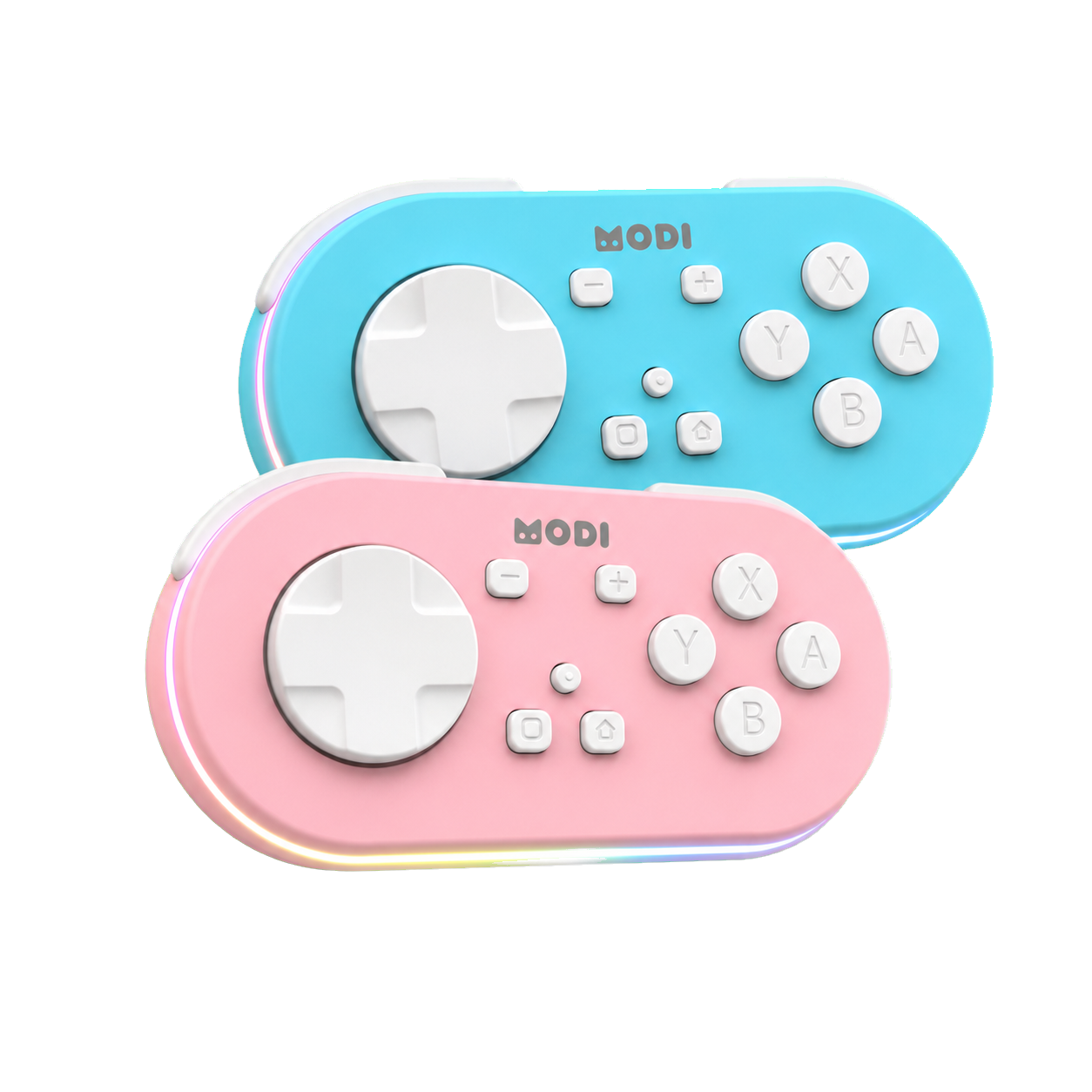
Switch Mode is the MODI setup to use when you want custom Anki keybinds through the desktop MODI add-on. Instead of relying only on the preset Keyboard Mode inputs, Switch Mode presents gamepad-style buttons that the add-on can map to Anki review actions you choose. Pair it by holding Y plus Home for one second, then selecting MODI in your computer's Bluetooth settings.
Switch Mode is the MODI setup to use when you want custom Anki keybinds through the desktop MODI add-on. Instead of relying only on the preset Keyboard Mode inputs, Switch Mode presents gamepad-style buttons that the add-on can map to Anki review actions you choose. Pair it by holding Y plus Home for one second, then selecting MODI in your computer’s Bluetooth settings.
After pairing, look for the center LED to become solid blue. That blue light confirms the remote is connected in Switch Mode, not Keyboard Mode. From there, the work moves from Bluetooth pairing to Anki configuration: install or open the MODI add-on, assign actions to the buttons, then test each mapping inside a review screen before treating the layout as ready. MODI is an independent accessory, not an official Anki product.
When Switch Mode Fits
Use Switch Mode on desktop when the goal is custom button behavior rather than the default Keyboard Mode workflow. Keyboard Mode is intended for macOS, Windows, and Linux use with preset keybindings and does not require an Anki add-on for its default review controls. Switch Mode is different: it is the path for users who want the MODI add-on to interpret the remote’s inputs and assign them to chosen Anki actions.
That distinction matters when troubleshooting. If the remote is paired in Keyboard Mode, the center LED should be solid green, and the buttons send the preset keyboard-style inputs. If you expected add-on remapping but see Keyboard Mode behavior, forget the saved MODI Bluetooth entry and pair again in Switch Mode. The complete MODI setup tutorial can help if you need the broader setup sequence before returning to custom mappings.
Pairing Steps
Start with Anki closed or left aside, because the first task is confirming the operating system sees the remote correctly. Open the computer’s Bluetooth settings. Hold Y plus Home on MODI for one second, then choose the MODI entry when it appears. Once the connection succeeds, the center LED should turn solid blue. If it does not, you may still be in another mode or not fully connected.
If MODI was previously paired in Keyboard Mode, or with another computer, do not rely on the old saved entry. Forget every saved MODI or Anki remote entry in Bluetooth settings, then repeat the Switch Mode pairing process from the beginning. This clears stale mode information and gives the host device a fresh controller profile to work with before you configure Anki actions.
Add-On Configuration
The MODI add-on is optional for normal Keyboard Mode use, but it is the desktop tool used for Switch Mode custom mapping. In desktop Anki, open Tools -> Add-ons -> Get Add-ons, enter 406900239, install it, and restart Anki. After restart, open MODI Anki Remote from Anki’s menu. That configuration screen is where the remote’s Switch Mode inputs are assigned to the review actions you want.
Treat the add-on as the interpreter between MODI’s gamepad-style inputs and Anki’s review commands. MODI supplies the button input; desktop Anki and the add-on determine what that input does during review. Add-ons extend desktop Anki and may need updates after Anki changes, so if a mapping stops behaving as expected after an Anki update, check the add-on state as part of the diagnosis.
Choosing Actions
Choose mappings around the Anki actions you actually use during review. MODI’s documented Switch Mode defaults include Space or Good, Easy, Again, Replay Audio, Hard, and Undo. With the add-on, you can adapt the button layout for your desktop review routine instead of accepting only the defaults. Keep the layout simple enough that you can identify the button and action without pausing during a card.
Desktop Anki also has its own keyboard controls, including Space or Enter to reveal an answer or choose Good, and number keys 1 through 4 for answer buttons when those buttons are available. Those are Anki behaviors, not special guarantees created by MODI. When assigning custom buttons, match the remote input to documented Anki actions or add-on options rather than assuming every shortcut in every context can be captured.
Testing Mappings
After assigning buttons, test inside an actual Anki review screen, not only in the add-on window. Use a small set of cards where you can safely check reveal, answer selection, undo, audio replay, or any other chosen command. Press one MODI button at a time and confirm the visible Anki result. If two buttons feel reversed or an action does nothing, return to the add-on and adjust the assignment.
Testing also helps separate pairing issues from configuration issues. A solid blue LED suggests Switch Mode is connected, but it does not prove every Anki action has been mapped correctly. If the remote connects yet remains unresponsive after a fresh pairing and add-on check, restart the host device and try again. Bluetooth state, saved pairings, battery condition, app configuration, and host behavior can all affect the result.
Changing Setups
When moving between modes, use the forget-and-repair process rather than trying to layer a new setup over an old one. For example, changing from Keyboard Mode to Switch Mode means deleting saved MODI entries in Bluetooth settings, then holding Y plus Home for one second and pairing again. The same starting point is recommended when moving MODI to a different phone, tablet, or computer.
Once Switch Mode is working, Home can wake the remote and reconnect in the last-used mode. The remote also sleeps automatically after about 2.5 minutes without a Bluetooth connection or 5 minutes of inactivity. To manually sleep or turn it off, hold Home for 3 seconds. These power behaviors are separate from Anki mappings, but knowing them prevents a sleeping remote from being mistaken for a broken keybind.
Sources and product references
This first-party MODI guide was checked against the current product manual and relevant app documentation. App menus and third-party behavior can change after publication.