
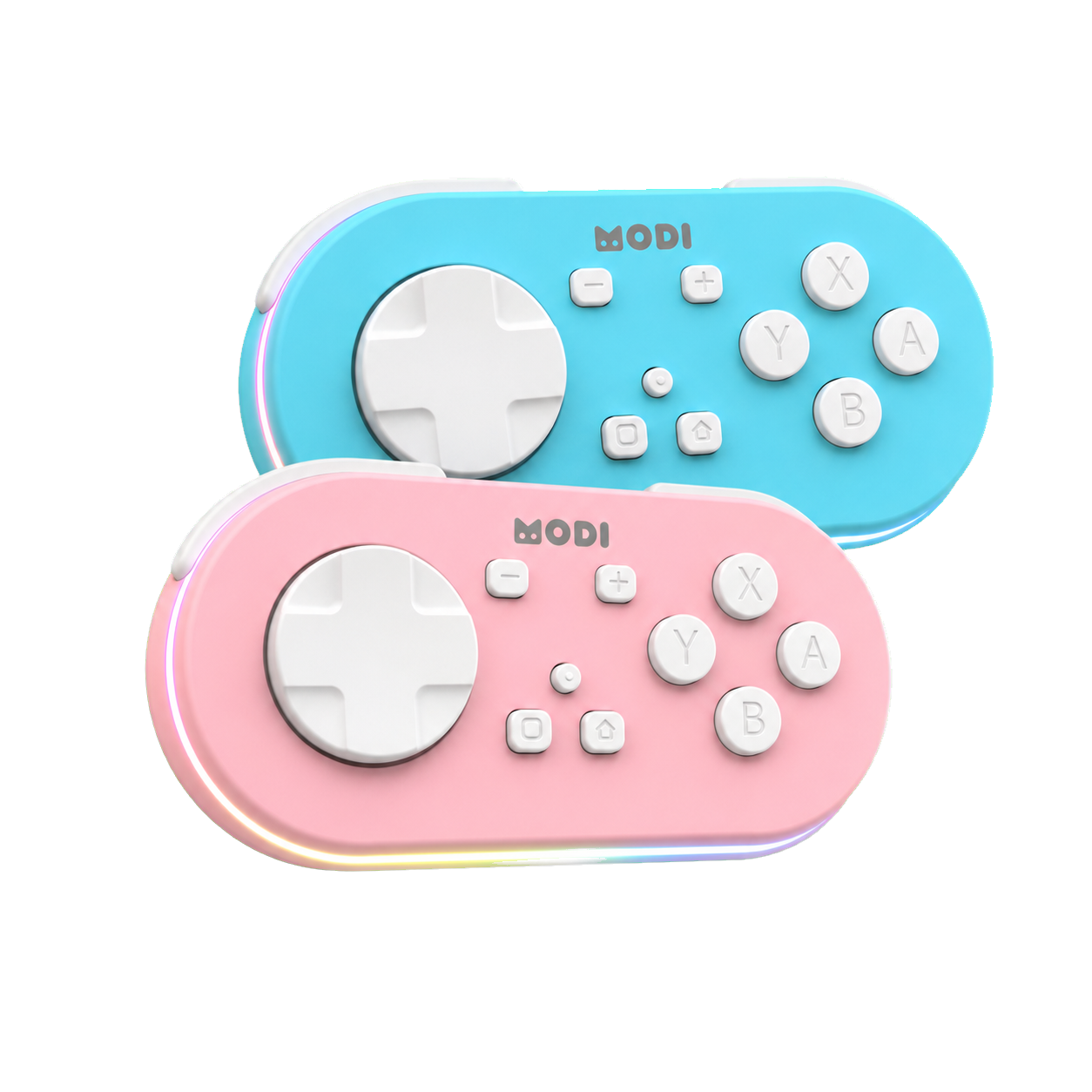
You can use MODI with desktop Anki without installing a plugin by pairing the remote in Keyboard Mode. In that mode, MODI behaves like a Bluetooth keyboard with preset inputs, so Anki receives ordinary shortcut commands rather than add-on commands. The MODI add-on is only needed when a desktop user wants custom remapping beyond the default Keyboard Mode workflow.
You can use MODI with desktop Anki without installing a plugin by pairing the remote in Keyboard Mode. In that mode, MODI behaves like a Bluetooth keyboard with preset inputs, so Anki receives ordinary shortcut commands rather than add-on commands. The MODI add-on is only needed when a desktop user wants custom remapping beyond the default Keyboard Mode workflow.
The short version is simple: open your computer’s Bluetooth settings, hold A plus Home on MODI for one second, select the MODI connection, and look for a solid green center LED. After pairing, open Anki and test the review screen. For the broader setup hub, use complete MODI setup tutorial if you need device-specific screenshots or a manual path later.
What Keyboard Mode Does
Keyboard Mode is the no-plugin path because it sends preset keyboard inputs to macOS, Windows, or Linux. Desktop Anki already responds to keyboard shortcuts, so MODI does not need to modify Anki to handle the basic review actions. This is different from a custom remote layer: the remote is not installing buttons inside Anki, and Anki is not treating it as an official accessory.
That distinction matters when troubleshooting. If MODI is connected in Keyboard Mode, the computer sees input from a Bluetooth device, and Anki reacts only when the active screen accepts those keys. MODI is an independent accessory, not a product made, endorsed, or certified by Anki or the operating-system makers. The practical test is whether Anki receives the expected shortcut while the review window is focused.
Pair MODI In Keyboard Mode
Start with the remote awake and your desktop Bluetooth settings open. Hold A plus Home for one second, then choose the MODI connection when it appears in the Bluetooth list. A successful Keyboard Mode connection is shown by a solid green center LED. If you previously paired the same remote in another mode, remove saved MODI or Anki remote entries before pairing again.
Once the connection is established, open desktop Anki and enter a review session. Keep the Anki window active while testing, because keyboard-style input usually goes to whichever app currently has focus. Press the buttons tied to ordinary review actions and confirm that the answer card, rating buttons, undo, or navigation command responds as expected. If another app is active, those same inputs may be sent there instead.
Preset Review Inputs
MODI’s Keyboard Mode includes preset inputs for common Anki review tasks: Again, Hard, Good or Next, Easy, Undo, Suspend, Escape, Spacebar, and direction-key navigation. These presets are intended to cover the actions many desktop reviewers use repeatedly. Because they are preset, there is no required add-on setup step, no add-on code to enter, and no desktop Anki restart just to begin the default workflow.
The presets do not mean every possible Anki command is available from the remote. They cover documented default-style review actions and navigation, but they are still limited by the keys the remote sends and the shortcuts Anki accepts on the current screen. For example, a button that sends Spacebar can reveal an answer or choose Good where Anki uses that shortcut, but it cannot invent a new Anki command.
How Anki Shortcuts Fit In
Desktop Anki itself supports keyboard review controls. Common examples include Space or Enter to reveal the answer or choose Good, and number keys 1 through 4 for answer buttons when those buttons are available. MODI’s no-plugin workflow depends on this existing Anki behavior. The remote supplies inputs; Anki decides what those inputs mean in the current review context.
This is why the same button can feel context-dependent. Before an answer is shown, a shortcut may reveal the answer. After an answer is shown, the matching shortcut may rate the card if that option is present. If you are outside the review screen, or a dialog is open, Anki may not treat the same input as a review command. That is normal app behavior, not necessarily a pairing failure.
When The Add-On Matters
The MODI desktop add-on is optional for the default Keyboard Mode workflow. Its role is custom remapping: a desktop user who wants to configure buttons differently can install the add-on and adjust MODI behavior from Anki’s menu. That is a separate path from pairing in Keyboard Mode, and it should not be treated as a prerequisite for basic review controls.
Add-ons extend desktop Anki and can require updates when Anki changes. If your goal is simply to use preset review buttons, start without the add-on and confirm the Bluetooth keyboard path first. If the preset layout does not match your preferred workflow, then the add-on becomes relevant. Separating those steps makes troubleshooting cleaner because connection, Anki focus, and custom mapping are tested one at a time.
Limits And First Checks
The main limit of a no-plugin setup is that it follows preset inputs. It is suitable when the default buttons match the actions you want, but it is not a universal shortcut translator for every Anki command, desktop app, website, or custom workflow. Compatibility depends on whether the active app accepts the keyboard input MODI sends in its current mode.
If the remote connects but Anki does not respond, begin with the simple checks: confirm the center LED is solid green, make sure Anki is the active window, enter a review screen, and test a basic Spacebar-style action. If problems continue after a fresh pairing, restart the host computer and try again. For mode changes or moving devices, forget saved MODI entries before repairing in the desired mode.
Sources and product references
This first-party MODI guide was checked against the current product manual and relevant app documentation. App menus and third-party behavior can change after publication.