
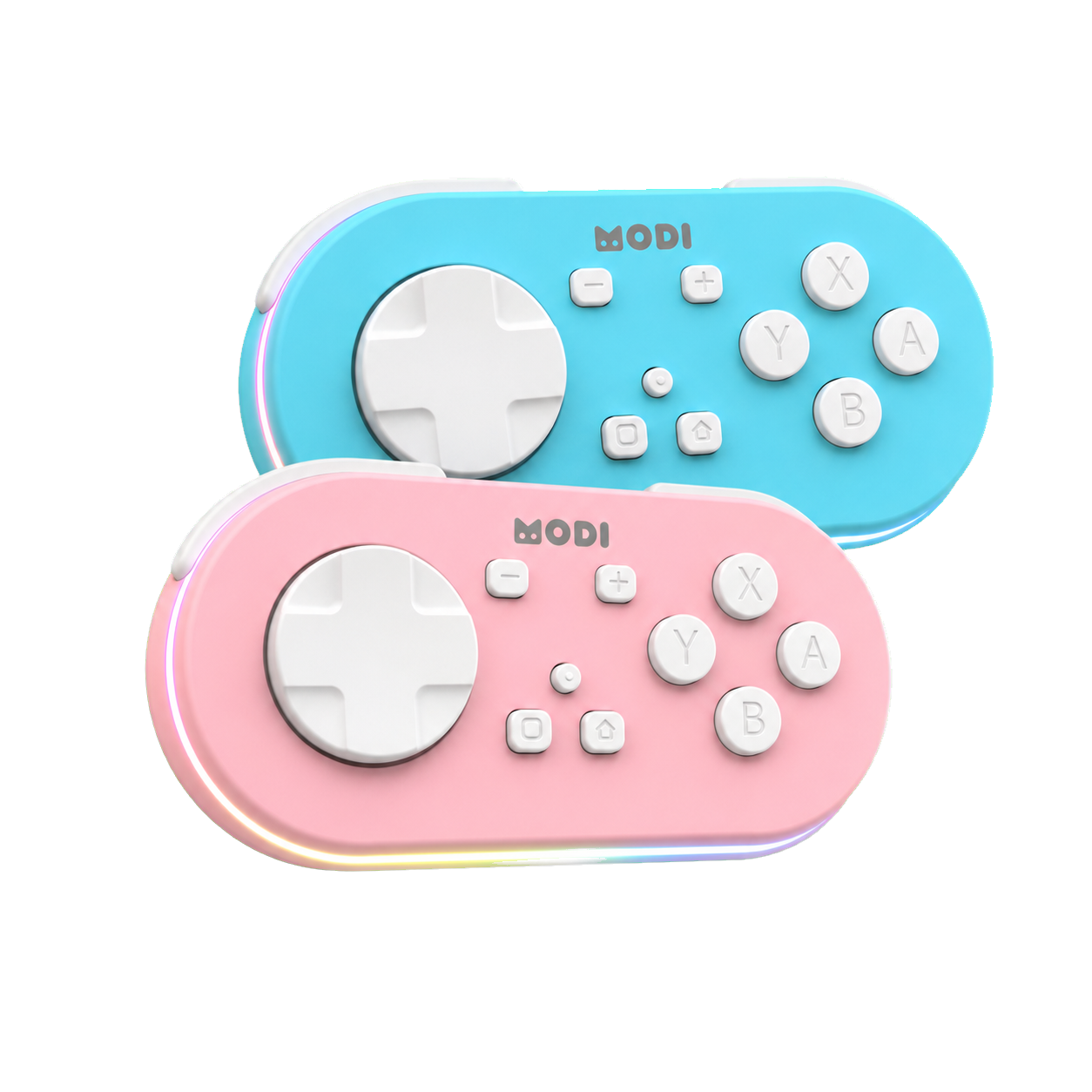
If your MODI Anki remote is not connecting, start by separating the problem into power, pairing mode, saved Bluetooth entries, and app configuration. A remote that is asleep, paired in the wrong mode, attached to an old Bluetooth profile, or unassigned inside AnkiMobile or AnkiDroid can look like the same failure. Work through the checklist in order before assuming the device or the study app is at fault.
If your MODI Anki remote is not connecting, start by separating the problem into power, pairing mode, saved Bluetooth entries, and app configuration. A remote that is asleep, paired in the wrong mode, attached to an old Bluetooth profile, or unassigned inside AnkiMobile or AnkiDroid can look like the same failure. Work through the checklist in order before assuming the device or the study app is at fault.
MODI is an independent Bluetooth accessory for Anki review workflows, not an official Anki, AnkiMobile, or AnkiDroid product. That matters because connection status and button behavior involve both the remote and the host software. The steps below focus on documented MODI behavior first, then move outward to the phone, tablet, computer, and review app. For full setup instructions, use complete MODI setup tutorial after this checklist identifies where the connection is breaking.
Check Power
Begin with the power state because Bluetooth troubleshooting is unreliable when the remote is asleep or low on charge. MODI automatically sleeps after about 2.5 minutes without a Bluetooth connection or 5 minutes of inactivity. Press Home to wake it and try reconnecting in the last-used mode. If you intentionally want to turn it off or put it to sleep, hold Home for 3 seconds, then wake it again before pairing.
A quickly flashing red LED means low battery. While charging, the LED flashes green, and the charging LED turns off when charging is complete. Do not infer a battery percentage from any light pattern the manual does not define. Decorative lighting can reduce practical runtime, so double-click the Light button to turn it off when troubleshooting. Keeping the lights off removes one variable while you check whether power, pairing, or app configuration is causing the issue.
Confirm Mode
Next, confirm that you are using the mode that matches the device and workflow. Keyboard Mode is intended for macOS, Windows, and Linux desktop use with preset keybindings, and it does not require the MODI add-on for the default workflow. To enter Keyboard Mode, open Bluetooth settings, hold A + Home for one second, and select the MODI connection. A solid green center LED indicates a successful Keyboard Mode connection.
Switch Mode is the standard MODI setup for AnkiMobile on iPhone or iPad and AnkiDroid on Android because it exposes gamepad-style inputs. It is also used on desktop when you want custom remapping through the optional MODI Anki add-on. To enter Switch Mode, open Bluetooth settings, hold Y + Home for one second, and select the MODI connection. A solid blue center LED indicates a successful Switch Mode connection.
Forget Pairings
If the remote appears in Bluetooth settings but will not connect cleanly, remove every saved MODI or Anki remote entry before pairing again. This is especially important after changing modes, because the host may keep an old profile that no longer matches the input type you are trying to use. Forget the saved entries in Bluetooth settings, restart the pairing process for the desired mode, and select the fresh MODI connection.
Use the same forget-and-repair approach when moving the remote to a different phone, tablet, or computer. A host device may remember a previous pairing even when the remote is awake and nearby, which can make the next device behave unpredictably. After removing old entries, pair only in the mode you intend to test. If the remote connects but remains unresponsive after fresh pairing, restart the host device and try the pairing sequence again.
Test Host
Once Bluetooth reports a connection, separate the host-device test from the Anki test. On desktop in Keyboard Mode, MODI sends preset keyboard-style inputs, so the operating system and focused app must accept those inputs. If nothing happens anywhere, the issue is still likely at the Bluetooth, mode, focus, or power layer. If the controls work outside Anki but not inside Anki, move to Anki settings or add-on configuration.
On mobile, remember that Switch Mode depends on the phone or tablet recognizing the controller profile and the app exposing configurable actions. A Bluetooth connection alone does not mean each button already has the review command you expect. Test after pairing while AnkiMobile or AnkiDroid is open, then check whether the app has assigned actions for the inputs it receives. This avoids confusing successful pairing with completed study-app setup.
Check App
For AnkiMobile on iPhone and iPad, use Switch Mode and configure actions inside the app. Open Settings, then Review, then Gamepads, and assign the commands you want. AnkiMobile controls are app-level settings, so changing the Bluetooth pairing does not automatically choose your review actions. If pairing looks correct but buttons do the wrong thing, revisit those gamepad assignments before repairing the remote again.
For AnkiDroid on Android, use Switch Mode and open Settings, then Controls, then Set Key Binds. During setup, X-Y-B-A inputs can appear as Y-X-A-B in the AnkiDroid menu because of a third-party display mapping issue. Treat that as a visual label mismatch, not automatically as a failed connection. Assigned commands can still function normally, so test the actual behavior after binding rather than relying only on the displayed labels.
Escalate Carefully
If you are using desktop Anki and want custom button behavior, the optional MODI add-on can be part of the diagnosis. Install it only for the remapping workflow: Tools, Add-ons, Get Add-ons, enter 406900239, restart Anki, then open MODI Anki Remote from the menu to configure buttons. Because Anki add-ons extend desktop Anki, they may require updates after Anki itself changes.
If the remote still will not connect after charging, selecting the correct mode, forgetting saved entries, restarting the host, and checking app assignments, document the exact point of failure. Note whether the LED reaches solid green or solid blue, whether Bluetooth says connected, and whether any app sees input. That evidence keeps the next step specific, instead of repeating pairing attempts when the problem may sit in the host device or app layer.
Sources and product references
This first-party MODI guide was checked against the current product manual and relevant app documentation. App menus and third-party behavior can change after publication.