
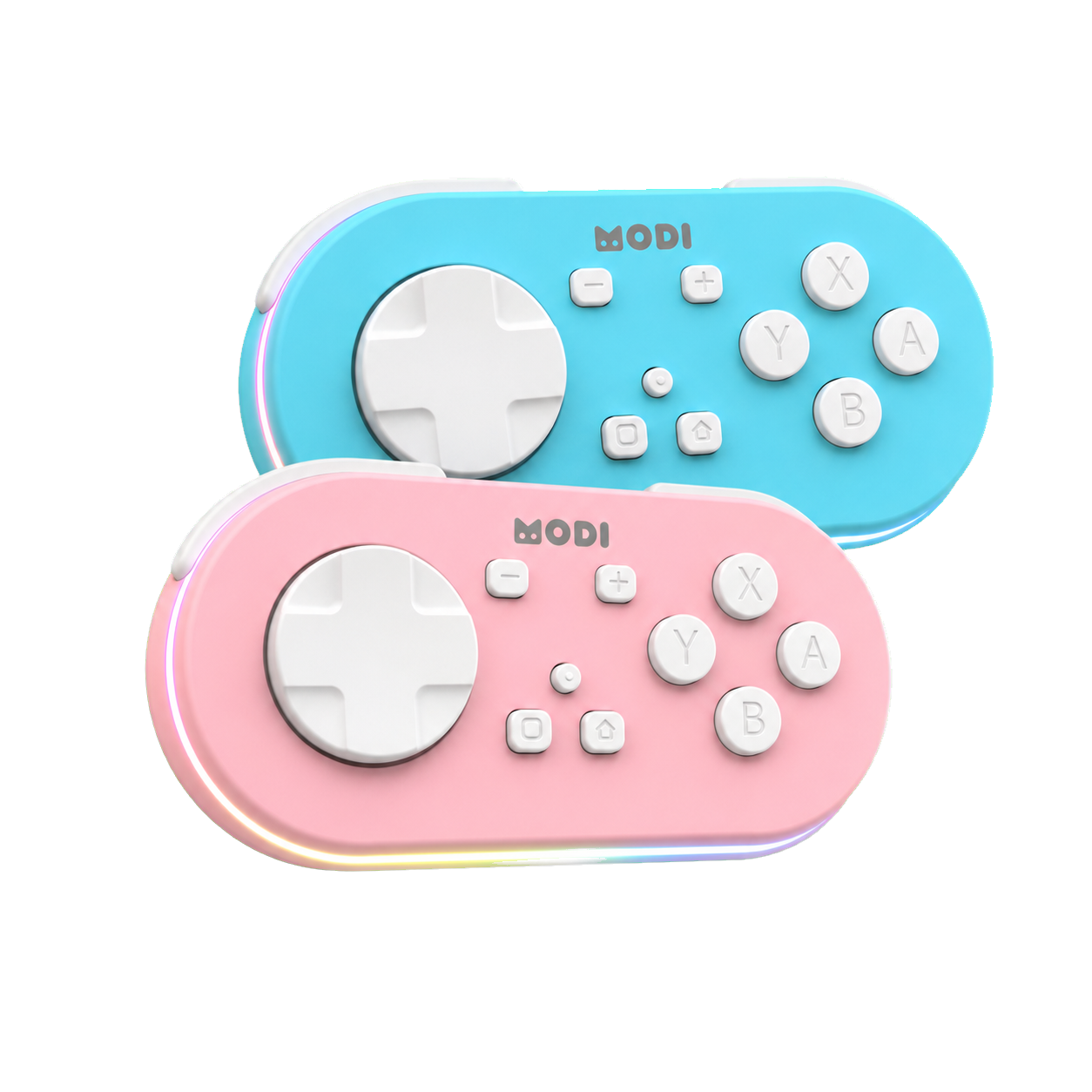
To use MODI with an Android tablet, pair the remote in Switch Mode, then assign actions inside AnkiDroid's control settings. This tablet workflow is close to the standard Android phone setup, but the larger screen changes how you hold the device, how far away you sit, and how carefully you should check Bluetooth state before blaming the remote. MODI is an independent Bluetooth accessory for Anki review workflows, not an AnkiDroid product or an official Anki controller.
To use MODI with an Android tablet, pair the remote in Switch Mode, then assign actions inside AnkiDroid’s control settings. This tablet workflow is close to the standard Android phone setup, but the larger screen changes how you hold the device, how far away you sit, and how carefully you should check Bluetooth state before blaming the remote. MODI is an independent Bluetooth accessory for Anki review workflows, not an AnkiDroid product or an official Anki controller.
Start with the tablet awake, Bluetooth enabled, and AnkiDroid installed. For the broader setup path, keep the complete MODI setup tutorial available, but the tablet-specific version is straightforward: connect the remote in the mode AnkiDroid expects, open the app’s key-bind menu, press each MODI button when assigning commands, and test inside a real review card. If the first test fails, treat pairing state, app settings, battery state, and the tablet itself as separate things to check.
Bluetooth
Android tablets often keep old Bluetooth entries, especially if the same remote was previously tested on a phone, laptop, or another tablet. Before pairing, open the tablet’s Bluetooth settings and remove saved MODI or Anki remote entries that might cause the tablet to reconnect in the wrong profile. This is particularly important when moving from desktop Keyboard Mode to Android tablet use, because AnkiDroid’s standard MODI setup uses Switch Mode rather than the desktop keyboard-input workflow.
After clearing old entries, stay in the Bluetooth settings screen and keep the tablet close enough for pairing. A low battery can make troubleshooting misleading, so charge the remote if the LED flashes red quickly. MODI uses Bluetooth 2.1 and automatically sleeps after about 2.5 minutes without a Bluetooth connection, so press Home to wake it before pairing. If it appears briefly and vanishes, wake it again and restart the pairing sequence carefully.
Mode
For AnkiDroid on an Android tablet, use Switch Mode. Hold Y + Home for one second, then select the MODI connection when it appears in the tablet’s Bluetooth list. A successful Switch Mode connection is shown by the center LED becoming solid blue. That light only confirms the remote’s current connection mode; it does not confirm that AnkiDroid has already assigned the actions you want or that every review command is configured.
Keyboard Mode is mainly for macOS, Windows, and Linux desktop use with preset keybindings. It is not the standard Android tablet setup for MODI, because AnkiDroid works through its own control configuration. If you previously used Keyboard Mode, forget every saved MODI entry on the tablet, then repeat the Switch Mode pairing steps. Pressing Home later should wake and reconnect the remote in the last-used mode, assuming the tablet still has the correct pairing saved.
Controls
Once MODI is connected in Switch Mode, open AnkiDroid and go to Settings, then Controls, then Set Key Binds. Assign the buttons you actually want during reviews, such as revealing a card, selecting an answer, replaying audio, undoing, or moving through available controls when AnkiDroid offers those actions. The important point is that the remote supplies inputs, while AnkiDroid decides what each assigned input does inside the app. Confirm mappings in review, not only in settings.
AnkiDroid may show X-Y-B-A inputs as Y-X-A-B because of a third-party display mapping issue. Treat that as a visual label mismatch, not automatic evidence that the remote is failing. Press the physical button you want, assign the command, and test the result on a review card. If the displayed letter seems wrong but the command works, keep the working assignment. If the command does not work, clear that bind and assign it again.
Orientation
For tablet studying, MODI’s recommended orientation is vertical with the D-pad facing down. That orientation gives a consistent way to remember which face buttons and direction controls you assigned, especially when the tablet is on a stand and your eyes are mostly on the card. It can also reduce unnecessary reaching because one hand can stay near the remote while the other hand adjusts the tablet, takes notes, or handles the rest of your setup.
Do not treat orientation as a medical or performance claim. It is simply a workflow choice that makes the controls easier to keep consistent. If you change the physical orientation, review the key binds again because your muscle memory may no longer match the commands. A tablet screen can tempt you to sit farther back, so choose a remote position where every assigned button is easy to press without looking down every few seconds.
Distance
An Android tablet is often used farther from the user than a phone, especially with a keyboard case, desk stand, or bedside holder. That makes the remote more useful as a separate input device, but it also makes visual confirmation more important. Before a long review session, check that the tablet shows MODI as connected, the center LED is solid blue, and AnkiDroid responds to the buttons you assigned in the current deck’s review screen.
If the tablet goes idle, AnkiDroid loses focus, or the remote sleeps after inactivity, the next button press may not behave the way you expect. Press Home to wake and reconnect in the last-used mode, then verify that the tablet still reports an active Bluetooth connection. If AnkiDroid is no longer the foreground app, return to the review screen before testing. Separate screen distance issues from Bluetooth issues by watching both the app and the tablet’s connection status.
Troubleshooting
If MODI connects but does nothing in AnkiDroid, start with the simplest split: connection first, controls second. In Android Bluetooth settings, forget the saved remote entry, pair again in Switch Mode, and wait for the solid blue center LED. Then reopen AnkiDroid’s Set Key Binds screen and assign one button to one obvious action. Test that single command on a review card before rebuilding a full layout of answer buttons, replay, undo, or navigation.
If a fresh pairing still leaves the remote unresponsive, restart the Android tablet and try again. Host-device Bluetooth state can persist across attempts, and restarting is a reasonable next diagnostic step after forgetting and repairing. Avoid opening the remote, changing firmware, or assuming an unsupported app shortcut should work just because another app does. MODI can only send its current keyboard or gamepad-style inputs; the app must accept and map those inputs for the workflow to function.
Sources and product references
This first-party MODI guide was checked against the current product manual and relevant app documentation. App menus and third-party behavior can change after publication.