
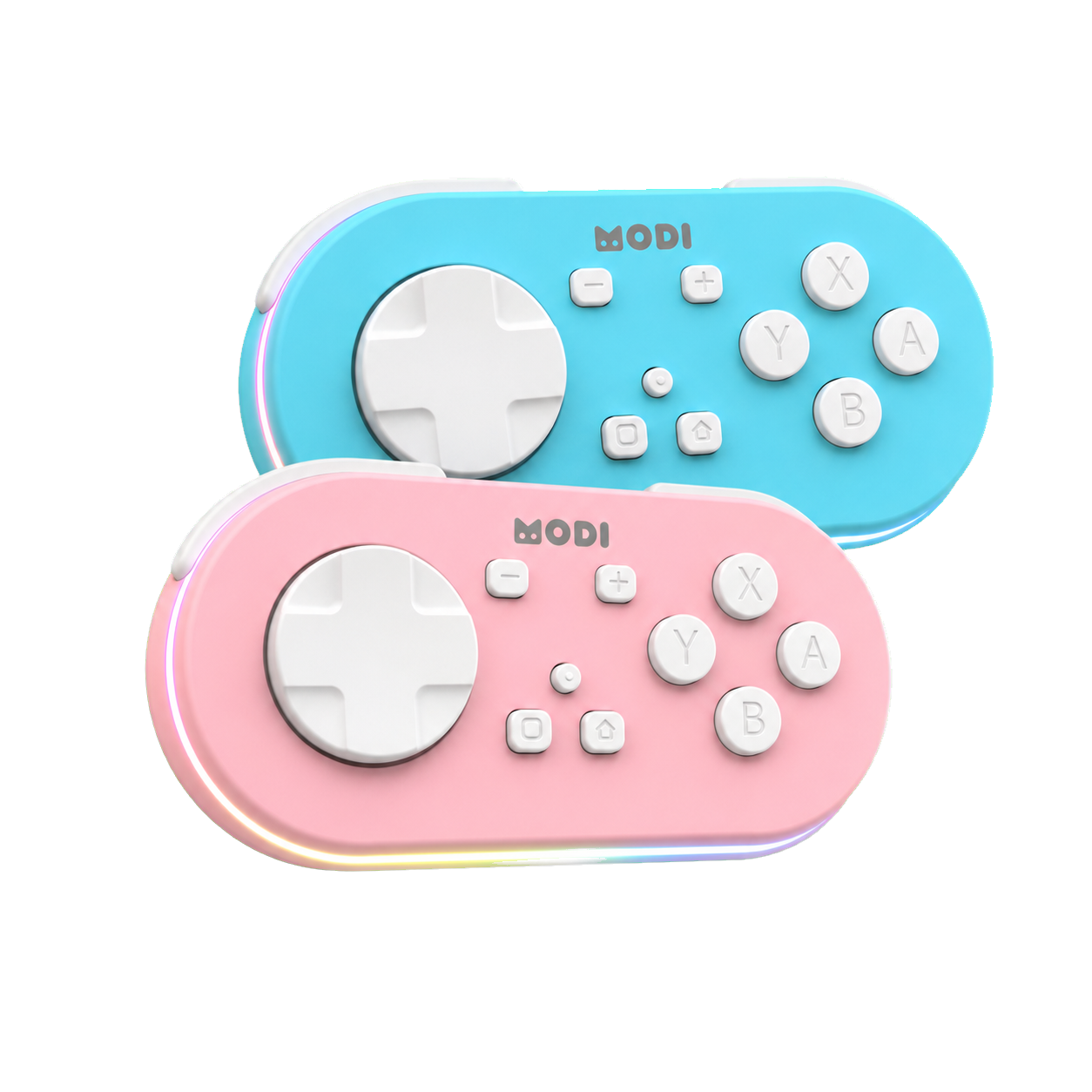
If your Anki remote shows as Bluetooth connected but does nothing in Anki, the connection is only the first checkpoint. Anki must also receive an input it understands, from the correct MODI mode, while the review screen has focus. A connected status can coexist with the wrong mode, an old saved pairing, a backgrounded app, or an unmapped button. Start by separating Bluetooth pairing from actual button input before changing many settings at once.
If your Anki remote shows as Bluetooth connected but does nothing in Anki, the connection is only the first checkpoint. Anki must also receive an input it understands, from the correct MODI mode, while the review screen has focus. A connected status can coexist with the wrong mode, an old saved pairing, a backgrounded app, or an unmapped button. Start by separating Bluetooth pairing from actual button input before changing many settings at once.
MODI is an independent Bluetooth accessory for Anki workflows, not an official Anki, AnkiMobile, or AnkiDroid product. That distinction matters because the remote sends keyboard-style or gamepad-style inputs, while each app decides what those inputs do. For the full setup path, use complete MODI setup tutorial. For this problem, work through four checks: mode, app focus, basic input response, and the mapping screen used by your version of Anki.
Connected Does Not Mean Assigned
Bluetooth connected means the phone, tablet, or computer has accepted MODI as a device. It does not prove that Anki is the active app, that the current screen accepts review controls, or that the pressed button is assigned to a command. A remote can be paired correctly and still appear dead if the host routes input somewhere else, if Anki is waiting in a menu, or if the button action has never been configured.
Treat the status line as a hardware connection clue, not a complete diagnosis. First press a simple review button while a card is open in Anki’s study screen. Desktop Anki supports common keyboard controls such as Space or Enter to reveal an answer or choose Good, and number keys 1 through 4 when answer buttons are available. If those keyboard actions work from the computer keyboard but MODI does not, mode or mapping is the next suspect.
Check The Mode First
MODI has different connection modes because desktop and mobile setups listen for different input profiles. Keyboard Mode is intended for macOS, Windows, and Linux desktop use with preset Anki review keybindings, and the default workflow does not require an Anki add-on. Switch Mode is used for custom desktop remapping through the optional MODI add-on and is the standard mobile setup for AnkiMobile and AnkiDroid because it exposes gamepad-style inputs.
A quick LED check helps identify the active mode. After a successful Keyboard Mode connection, the center LED is solid green. After a successful Switch Mode connection, the center LED is solid blue. If you are using desktop Anki with default shortcuts, green is usually the mode to verify first. If you are using AnkiMobile or AnkiDroid, blue is usually the mode to verify first before checking the app’s own control settings.
Clear Old Pairings Before Switching
If MODI was previously connected in a different mode, do not rely on the existing Bluetooth entry. When changing modes, forget every saved MODI or Anki remote entry in the device’s Bluetooth settings, then repeat the full connection process for the desired mode. The same reset is the preferred starting point when moving the remote from one phone, tablet, or computer to another, because saved profiles can preserve the wrong input behavior.
For a desktop Keyboard Mode repair, open Bluetooth settings, hold A and Home for one second, then select the MODI connection. For Switch Mode, open Bluetooth settings, hold Y and Home for one second, then select the MODI connection. Once connected, press Home later to wake and reconnect in the last-used mode. If a fresh pairing still connects but remains unresponsive, restart the host device and test again before changing Anki settings.
Make Sure Anki Has Focus
The active window or app matters. On desktop, Anki must be the front app, and the review screen should be ready for input. If the cursor or keyboard focus is in another program, a search field, a browser, or an operating-system dialog, MODI’s input may go there instead of to Anki. Click back into the review window, open a card, and try a basic reveal or answer action again.
On mobile, bring AnkiMobile or AnkiDroid to the foreground and test inside the review flow, not only from Bluetooth settings. iOS and Android can show a controller as connected even while the current app has no active command for the button being pressed. If the first button does nothing, test several mapped review actions rather than repeatedly pressing one control, because a single unmapped or differently labeled button can make the whole remote seem inactive.
Test The Mapping Screen
If the mode and focus are correct, open the app’s control configuration. In AnkiMobile, use Settings, Review, then Gamepads, and assign the desired actions when iOS recognizes the controller profile. In AnkiDroid, use Settings, Controls, then Set Key Binds. These screens confirm whether the app is seeing gamepad-style input and whether each button is tied to a review command you actually expect.
AnkiDroid has one specific label issue to keep in mind: X-Y-B-A inputs can appear as Y-X-A-B in the AnkiDroid menu because of a third-party display mapping mismatch. That is a visual label mismatch, not proof that the buttons cannot work. Assign the command based on the input AnkiDroid receives, then test the action on a review card. If the action fires, the mapping is functioning despite the displayed label.
When To Use The Add-On
On desktop, avoid installing the add-on as a first reaction if Keyboard Mode should handle your workflow. MODI’s default Keyboard Mode includes preset inputs for Again, Hard, Good or Next, Easy, Undo, Suspend, Escape, Spacebar, and direction-key navigation. If those preset actions match what you need, the diagnostic path is usually Bluetooth mode, focus, and Anki’s normal keyboard behavior rather than add-on configuration.
Use the optional MODI add-on when you specifically want custom desktop remapping through Switch Mode. The add-on extends desktop Anki and may need attention after Anki changes, so separate that case from the default keyboard setup. If nothing works after the correct mode, clean pairing, focused review screen, and mapping test, note which device, operating system, Anki app, mode color, and button actions failed before continuing support troubleshooting.
Sources and product references
This first-party MODI guide was checked against the current product manual and relevant app documentation. App menus and third-party behavior can change after publication.