
A Logitech clicker and MODI solve different problems during flashcard review. A Logitech presentation clicker is built mainly for slide control, while MODI is a Bluetooth Anki remote designed around supported Anki review workflows. If your goal is answering cards, undoing, replaying audio, or moving through review screens, compare the actual inputs each device exposes to Anki before choosing. The useful question is not which remote is universally better, but which one your app can recognize and map.
A Logitech clicker and MODI solve different problems during flashcard review. A Logitech presentation clicker is built mainly for slide control, while MODI is a Bluetooth Anki remote designed around supported Anki review workflows. If your goal is answering cards, undoing, replaying audio, or moving through review screens, compare the actual inputs each device exposes to Anki before choosing. The useful question is not which remote is universally better, but which one your app can recognize and map.
MODI is an independent accessory. It is not made, endorsed, or certified by Anki, AnkiMobile, AnkiDroid, Quizlet, Logitech, Apple, Google, Microsoft, or Amazon. This comparison uses Logitech’s R500s as a documented presentation-remote example because it represents a familiar Logitech clicker remote category: portable slide navigation, Bluetooth or USB-receiver connectivity, limited primary buttons, and software customization through Logitech Options+ where supported. The right choice depends on controls, connection path, remapping needs, and your willingness to test inputs in your exact setup.
Controls
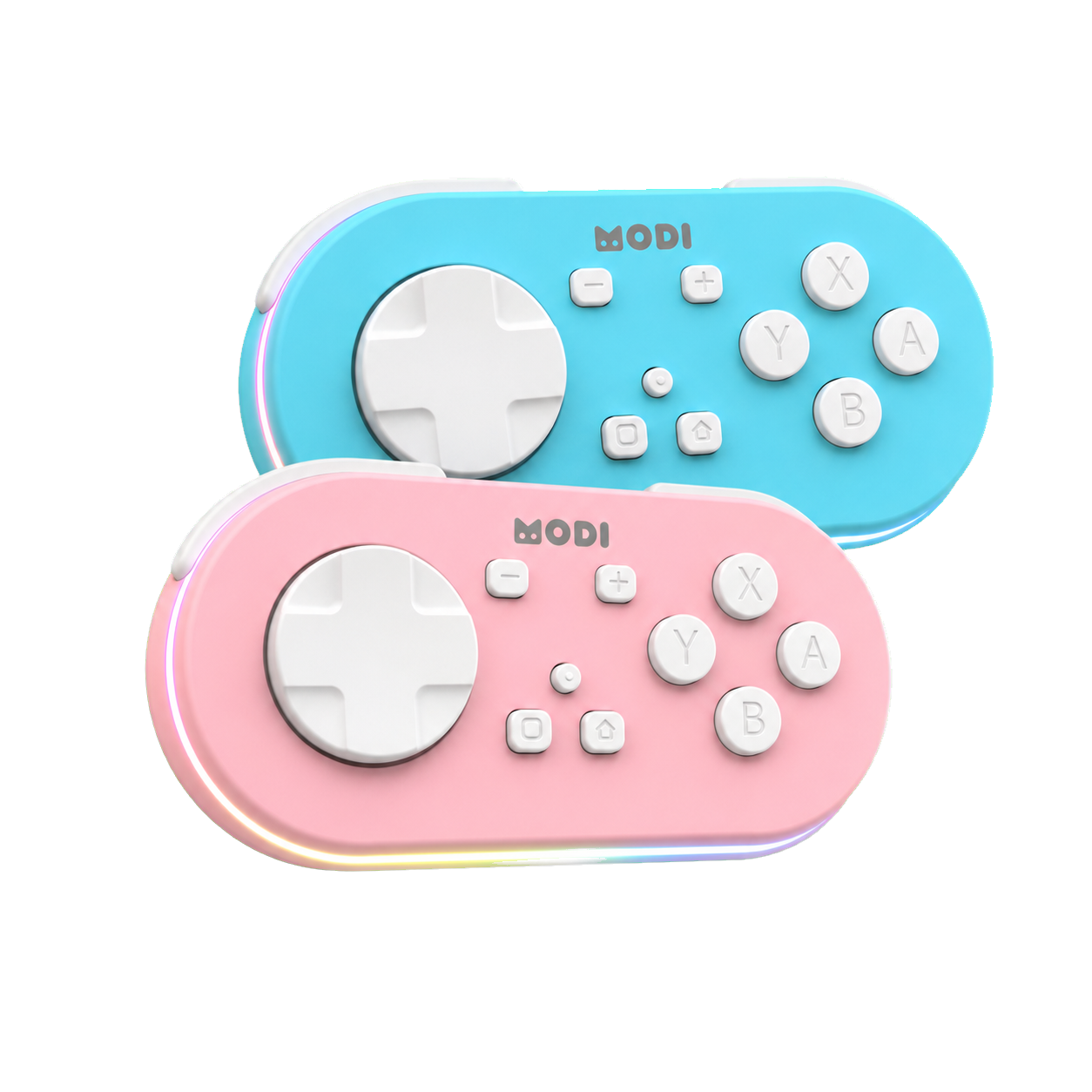
MODI’s control layout is aimed at review actions, not presentation delivery. In Keyboard Mode, it includes preset inputs for Again, Hard, Good or Next, Easy, Undo, Suspend, Escape, Spacebar, and direction-key navigation. In Switch Mode, defaults include Space or Good, Easy, Again, Replay Audio, Hard, and Undo. Those actions match common Anki review decisions more directly than a typical Logitech presentation clicker, which is usually designed around moving forward and backward through slides, plus any model-specific presentation functions.
The Logitech R500s, for example, is a presentation-focused device with three primary controls, slide navigation, and a laser pointer. That can be enough when Anki only needs a recognized forward, back, Spacebar-style, or arrow-style input, but it may not expose the answer actions you want. Desktop Anki’s own keyboard controls include Space or Enter to reveal an answer or choose Good, and 1-4 for answer buttons when those buttons are available, so fewer controls can mean more tradeoffs.
Connections
Connection method matters because Anki does not care about the brand name on a remote; it responds to recognizable keyboard or gamepad-style input in the active app. MODI uses Bluetooth 2.1 and has two setup modes. Keyboard Mode is intended for macOS, Windows, and Linux desktop use with preset keybindings. Switch Mode is recommended for AnkiMobile on iPhone and iPad and AnkiDroid on Android because it exposes gamepad-style inputs those mobile apps can configure.
A Logitech clicker may connect through Bluetooth, a USB receiver, or both, depending on the model. The R500s is documented with Bluetooth or USB-receiver connectivity. That can be convenient for presentation rooms, shared computers, or machines where pairing is not desirable, but it does not automatically make the clicker an Anki controller. The practical question is whether your operating system and Anki app see the clicker’s buttons as useful inputs, then whether those inputs can be assigned to the actions you actually need.
Remapping
MODI has two main mapping paths. The default desktop route is Keyboard Mode, which needs no Anki add-on for its preset workflow. Desktop users who want custom remapping can use Switch Mode with the optional MODI add-on, using code 406900239 inside Anki’s add-on installer and then configuring buttons from the MODI menu after restarting Anki. If MODI is the better fit after this comparison, the complete MODI setup tutorial is the next place to follow the pairing and mode steps.
Logitech’s remapping path is different because the device is not Anki-specific. Logitech Options+ can customize supported functions for products such as the R500s, subject to Logitech’s current software and operating-system support. That may help if the clicker can be assigned to keystrokes Anki understands, but support depends on the exact clicker, platform, and software version. Treat Options+ as a presentation-remote configuration layer, not as a guarantee that every Anki answer button or mobile gamepad action will be available.
Mobile
Mobile Anki changes the comparison. MODI’s standard mobile setup uses Switch Mode. In AnkiMobile on iPhone and iPad, the relevant place to configure recognized controller inputs is Settings, Review, Gamepads. In AnkiDroid on Android, it is Settings, Controls, Set Key Binds. This keeps the mapping inside the app’s supported control system. It also means MODI is still only sending inputs; AnkiMobile and AnkiDroid decide which actions can be assigned and how they behave.
A Logitech clicker is less predictable on mobile because presentation remotes are not generally documented as AnkiMobile or AnkiDroid controllers. A clicker might pair, might navigate, or might do little inside the review screen, depending on what the phone or tablet recognizes. Even when basic buttons work, they may map to only a narrow set of commands. Before buying for mobile flashcards, test the recognized input names and available action assignments in the target app, not just whether Bluetooth pairing succeeds.
Testing
The cleanest test is to start with the review action you need, then work backward to the input. On desktop Anki, check whether the remote can reveal cards, choose Good, select Again, Hard, or Easy, undo, suspend, replay audio, or navigate as required. If a Logitech device only sends next and previous slide commands, decide whether those commands can be translated into useful Anki keyboard shortcuts. If they cannot, the clicker may still be good for slides but limited for flashcards.
For MODI, testing should also include mode selection. Use Keyboard Mode for the default desktop workflow and Switch Mode when you need the add-on or mobile gamepad-style configuration. When changing modes or moving to another device, forget saved MODI or Anki remote Bluetooth entries and pair again in the desired mode. If the remote connects but remains unresponsive after fresh pairing, restart the host device and retry before assuming the hardware, app, or Bluetooth radio is the only cause.
Choosing
Choose MODI when your primary use is Anki review and you want controls organized around review decisions. It is the more direct category fit for repeated card-answer actions because its documented modes, defaults, and optional desktop add-on are built for that workflow. It also supports the practical one-handed choice of holding the remote vertically with the D-pad facing down. That orientation is a workflow preference, not a medical or performance claim, and it should be judged by how you review.
Choose a Logitech clicker when your main job is presentation control and Anki use is occasional, simple, and verified. A Logitech clicker remote may be easier to justify if you already need slide navigation, a laser pointer, or USB-receiver flexibility. The same caution applies whether you are comparing the R500s, searching for a Logitech Presenter Spotlight, or considering another Logitech presentation clicker: test recognized inputs in your app first. It becomes a weaker Anki choice when you need several answer buttons, mobile gamepad mapping, or predictable remapping inside Anki.
See the remote and current buying options
Review the blue and pink MODI remotes, then open the appropriate Amazon listing when you are ready.
Sources and product references
This first-party MODI guide was checked against the current product manual and relevant app documentation. App menus and third-party behavior can change after publication.