
Before buying a Bluetooth Anki remote, check four things first: whether your review app accepts the remote's inputs, which connection mode you need, how the battery and sleep behavior fit your routine, and whether the setup documentation covers your device. MODI is a Bluetooth remote designed for Anki review workflows on supported desktop and mobile devices, but it should be evaluated as an independent accessory, not an official Anki product.
Before buying a Bluetooth Anki remote, check four things first: whether your review app accepts the remote’s inputs, which connection mode you need, how the battery and sleep behavior fit your routine, and whether the setup documentation covers your device. MODI is a Bluetooth remote designed for Anki review workflows on supported desktop and mobile devices, but it should be evaluated as an independent accessory, not an official Anki product.
That distinction matters because a remote, Anki, AnkiMobile, AnkiDroid, and third-party study sites each control different parts of the experience. MODI can send documented keyboard or gamepad-style inputs, while the receiving app decides what those inputs do. A practical buying decision starts with your platform, then narrows to mode selection, button mapping needs, battery habits, and the troubleshooting path you are willing to follow.
Start With Platform Fit
For desktop Anki on macOS, Windows, or Linux, MODI’s Keyboard Mode is the first path to check. It is intended for desktop use with preset keybindings and does not require the MODI Anki add-on for the default workflow. That makes it a practical fit for people who want a remote to send common review controls without first building a custom button map inside Anki.
For mobile review, the first check is different. AnkiMobile on iPhone and iPad and AnkiDroid on Android use Switch Mode for the standard MODI mobile setup because it exposes gamepad-style inputs. Those apps then provide their own configuration areas for assigning actions. MODI supplies the controller input; AnkiMobile or AnkiDroid determines the available action list and how each recognized input is mapped.
Understand The Modes
MODI has two documented connection modes, and choosing the wrong one can make a supported device feel unresponsive. Keyboard Mode is meant for desktop Anki workflows that use preset keyboard-style controls. Switch Mode is used when a desktop user wants custom remapping through the optional MODI add-on, and it is also the recommended mode for AnkiMobile and AnkiDroid because those mobile apps work through gamepad-style input mapping.
A buyer should also know how mode changes behave. Pressing Home wakes the remote and reconnects in the last-used mode, which is convenient when returning to the same setup. When changing from one mode to another, or moving to another phone, tablet, or computer, the preferred starting point is to forget saved MODI or Anki remote entries in Bluetooth settings, then pair again in the desired mode.
Check Button Expectations
The next buying question is whether the default controls match the way you review. In Keyboard Mode, MODI includes preset inputs for review choices such as Again, Hard, Good or Next, Easy, Undo, Suspend, Escape, Spacebar, and direction-key navigation. Desktop Anki also has its own keyboard behavior, including Space or Enter for revealing an answer or choosing Good and number keys for answer buttons when available.
Switch Mode has different defaults, including Space or Good, Easy, Again, Replay Audio, Hard, and Undo. On mobile, the useful test is not whether a button has a familiar printed label, but whether the app lets you assign the recognized input to the action you want. On AnkiDroid, X-Y-B-A can appear visually as Y-X-A-B in the menu, even though assigned commands can still function normally.
Battery And Sleep
Battery expectations should be based on the manual’s conditions, not a guaranteed all-day promise. MODI has a 3.7 V, 330 mAh battery, works between 3.7 V and 4.2 V, and is rated for approximately 15 hours of continuous use under the stated conditions. The maximum practical battery life depends partly on keeping the decorative remote LEDs off when they are not needed during review sessions.
Sleep behavior is also part of the buying decision because it affects how the remote fits short breaks. MODI automatically sleeps after approximately 2.5 minutes without a Bluetooth connection or 5 minutes of inactivity. To manually sleep or turn it off, hold Home for 3 seconds. Low battery is shown by a fast red LED flash; charging flashes green, and the charging LED turns off when charging is complete.
Documentation Matters
A good purchase decision includes checking whether the setup path is documented for your exact device and app. The public setup hub is the starting point when you want the full sequence rather than scattered tips: complete MODI setup tutorial. The complete manual covers core behavior such as modes, LEDs, charging, sleep, and button functions. Separate first-party guides address desktop setup, mobile keybinds, mode choice, add-on setup, keybind reference, battery behavior, and Quizlet use.
Documentation is especially important because some behavior belongs to the receiving app rather than to MODI itself. Desktop Anki add-ons extend desktop Anki and may need updates after Anki changes. AnkiMobile and AnkiDroid expose their own configurable action lists. Quizlet use is a desktop-browser Keyboard Mode workflow for basic direction-key and Spacebar-style controls, not a promise that every site or browser shortcut will work.
Troubleshooting Readiness
Before buying, consider whether you are comfortable with normal Bluetooth maintenance. If a remote has been paired before, saved device entries can interfere with a clean mode switch or move to another host device. The recommended first diagnostic step is to forget every saved MODI or Anki remote entry in Bluetooth settings, then repeat the full connection steps for the intended mode on the intended device.
If the remote connects but remains unresponsive after a fresh pairing, the next documented step is to restart the host device and try again. That does not mean every problem is caused by the remote. Bluetooth state, saved pairings, battery state, app configuration, operating-system behavior, and the receiving app’s input support can all affect the result. A suitable remote is one whose documented limits match your actual review environment.
See the remote and current buying options
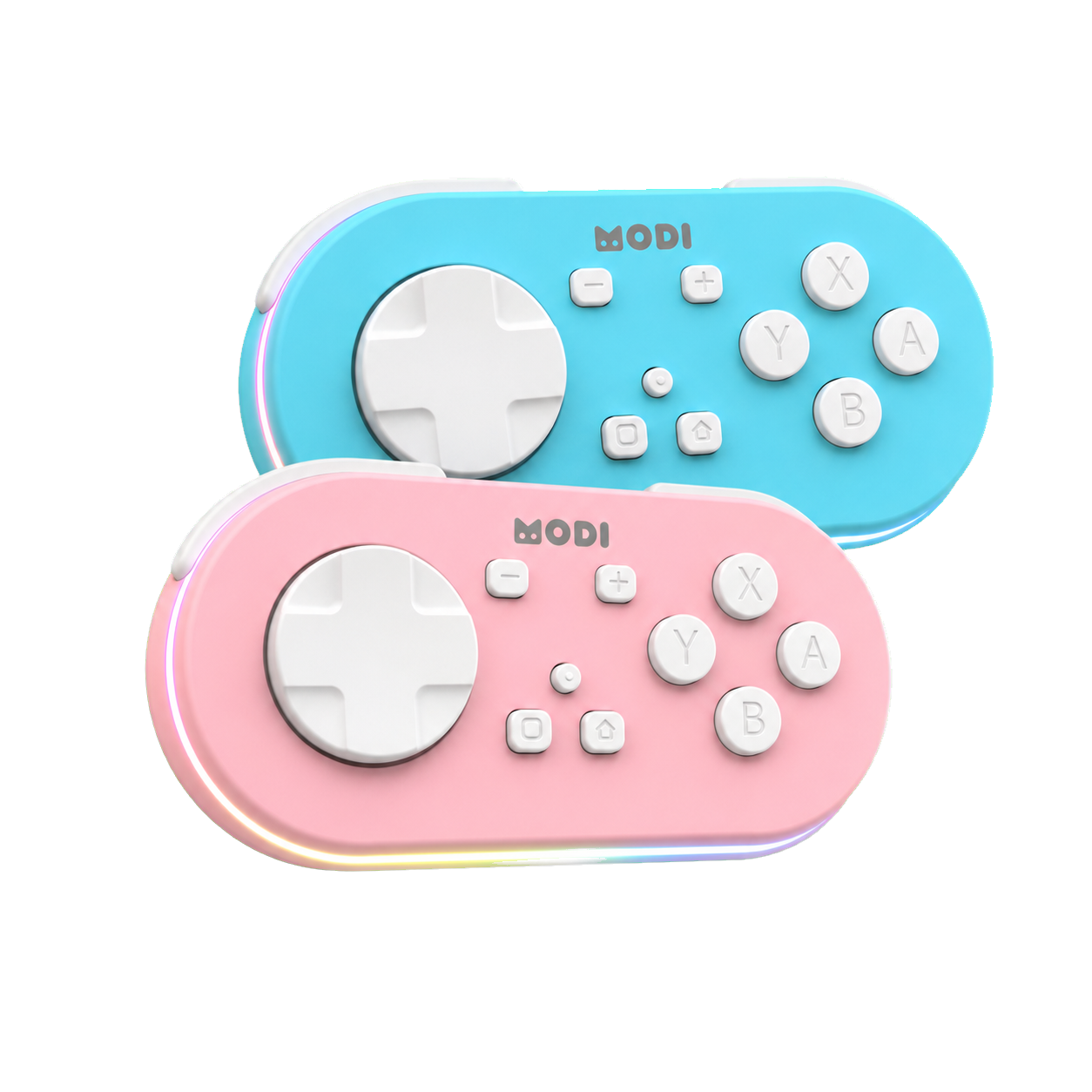
Review the blue and pink MODI remotes, then open the appropriate Amazon listing when you are ready.
Sources and product references
This first-party MODI guide was checked against the current product manual and relevant app documentation. App menus and third-party behavior can change after publication.