
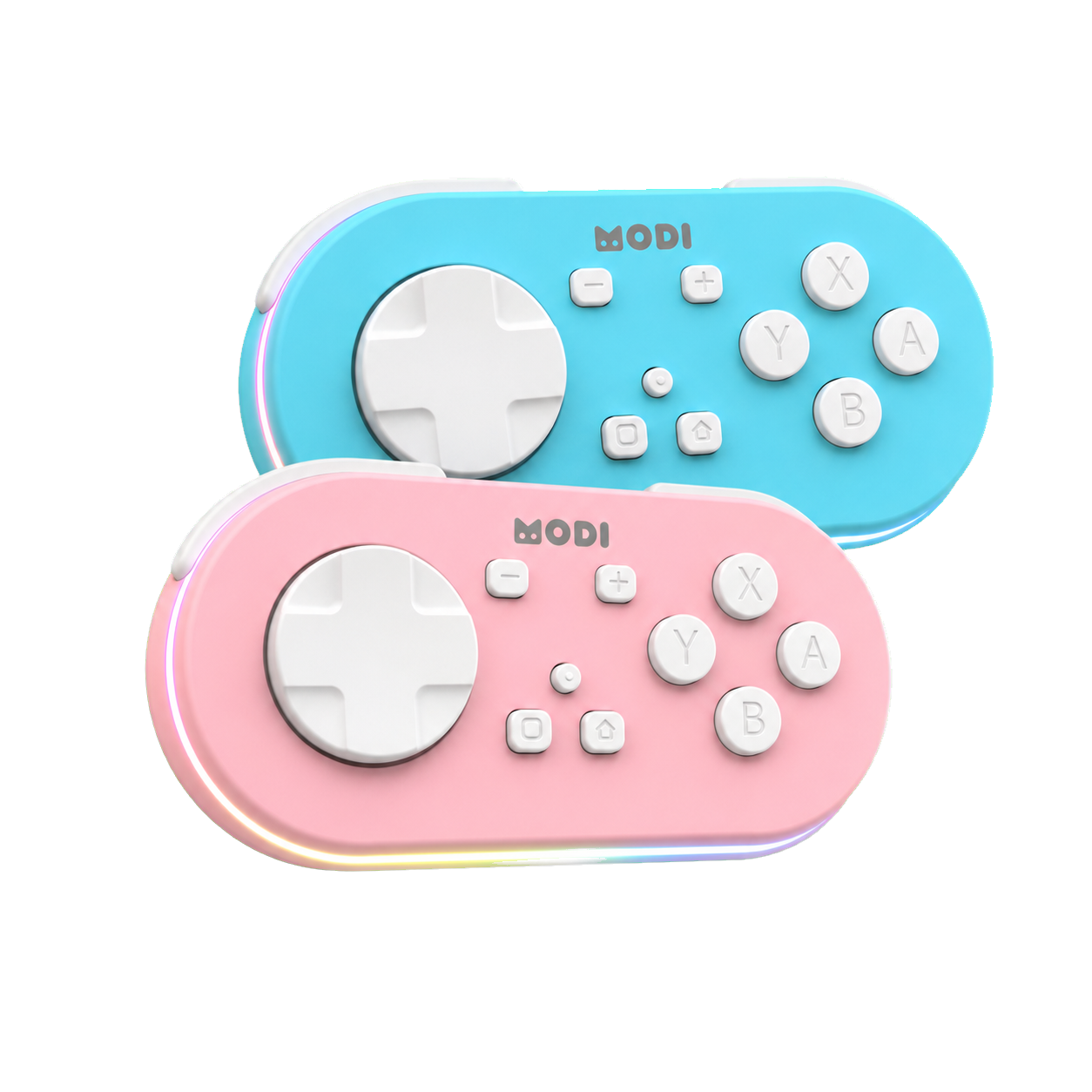
Forget saved MODI or Anki remote entries before re-pairing because Bluetooth can keep separate identities for Keyboard Mode, Switch Mode, and earlier device connections. If an old identity remains, the phone, tablet, or computer may reconnect to the wrong profile or show a successful connection while Anki controls do not respond as expected. A clean Bluetooth list gives the next pairing attempt one clear target and removes stale mode history from the troubleshooting process.
Forget saved MODI or Anki remote entries before re-pairing because Bluetooth can keep separate identities for Keyboard Mode, Switch Mode, and earlier device connections. If an old identity remains, the phone, tablet, or computer may reconnect to the wrong profile or show a successful connection while Anki controls do not respond as expected. A clean Bluetooth list gives the next pairing attempt one clear target and removes stale mode history from the troubleshooting process.
This matters most when changing modes, moving MODI to another device, or recovering from a connection that appears paired but does not control reviews. MODI is an independent Bluetooth accessory for Anki workflows, not an official Anki, AnkiMobile, AnkiDroid, Apple, Google, Microsoft, or other platform product. The remote sends inputs that the current mode and app can understand, so cleanup should separate MODI behavior from each host device’s saved Bluetooth state.
Identities
A saved Bluetooth entry is not just a friendly name in settings. It represents a remembered connection relationship between the host device and a particular profile the remote presented during pairing. MODI uses Keyboard Mode for desktop workflows with preset key inputs, and Switch Mode for gamepad-style inputs used for custom desktop remapping and the standard mobile setup. When both histories are present, the host can offer entries that look similar but behave differently.
That is why deleting only the most recent failed entry may not be enough. If the Bluetooth list contains multiple MODI or Anki remote names from past attempts, remove every matching saved entry before starting again. The point is not to erase Anki settings or reset study data. It is simply to make the next pairing session create a fresh, unambiguous Bluetooth identity that matches the mode you actually intend to use.
Modes
Mode changes are the most common reason to clear saved identities. Keyboard Mode is intended for macOS, Windows, and Linux desktop use with preset keybindings, and it does not require the MODI add-on for the default workflow. Switch Mode is used when a desktop user wants custom remapping through the optional MODI add-on, and it is the recommended MODI mode for AnkiMobile on iPhone or iPad and AnkiDroid on Android devices.
Because those modes expose different input types, a host device’s old memory can work against the new setup. Before changing from Keyboard Mode to Switch Mode, or from Switch Mode back to Keyboard Mode, forget every saved MODI or Anki remote entry in Bluetooth settings. Then repeat the complete pairing steps for the desired mode. For a broader walkthrough, use the complete MODI setup tutorial after the stale entries have been removed.
Devices
The same cleanup applies when moving MODI from one phone, tablet, or computer to another. A remote that worked on a laptop yesterday may still wake and try to reconnect in the last-used mode today. Pressing Home wakes MODI and reconnects in that last mode when the host relationship is still available. That behavior is useful for regular use, but it can confuse setup when the destination device is different.
Start device changes by clearing the old saved MODI entries on the device you are actively setting up. If the previous device is nearby, disconnecting or forgetting its saved entry can also prevent automatic reconnection from interrupting the new pairing attempt. Then pair MODI from the new device’s Bluetooth settings in the mode required by the workflow. This keeps the problem space focused on the new host, selected mode, battery state, and app configuration.
Cleanup
A practical cleanup routine begins outside Anki. Open the Bluetooth settings on the computer, phone, or tablet and look for every saved entry that could belong to MODI or an earlier Anki remote pairing. Forget those entries rather than merely disconnecting them. Disconnecting ends the current session, but forgetting removes the saved relationship that can be reused automatically during a later wake, scan, or reconnect attempt.
After the list is clean, wake the remote and use the pairing command for the mode you need. For Keyboard Mode, hold A and Home for one second, then choose the MODI connection; the center LED becomes solid green after a successful connection. For Switch Mode, hold Y and Home for one second, then select the connection; the center LED becomes solid blue when the Switch Mode connection succeeds.
Fresh Pairing
Fresh pairing does not mean changing every Anki control at once. It means making one clean Bluetooth connection first, then checking whether the target app receives the expected input. On desktop Anki, Keyboard Mode can use preset review inputs without installing an add-on. If you are using Switch Mode on desktop for custom button mapping, the optional MODI add-on is configured inside Anki after installation and restart, not during Bluetooth pairing.
On mobile, fresh pairing should be followed by app-level configuration. In AnkiMobile, use Switch Mode and assign the desired actions under Settings, Review, Gamepads. In AnkiDroid, use Switch Mode and configure controls under Settings, Controls, Set Key Binds. If X-Y-B-A appears as Y-X-A-B in the AnkiDroid menu, treat it as a known visual label mismatch rather than proof that the Bluetooth pairing itself failed.
Next Step
If MODI connects after a fresh pairing but remains unresponsive, do not assume the remote is the only possible cause. Bluetooth state, saved pairings, battery condition, the selected mode, host-device behavior, and app configuration can all affect the result. Check that you removed every old entry, paired in the intended mode, saw the expected center LED color, and configured the app only after the operating system recognized the remote.
When those checks are complete and the remote still appears connected but does nothing, restart the host device and try the pairing sequence again from a clean Bluetooth list. Restarting can clear device-side Bluetooth or input state that survives ordinary disconnects. If the issue returns, note which mode was used, which device and app were involved, and whether the remote showed solid green or solid blue after pairing. Those details make the next diagnostic step specific.
Sources and product references
This first-party MODI guide was checked against the current product manual and relevant app documentation. App menus and third-party behavior can change after publication.