
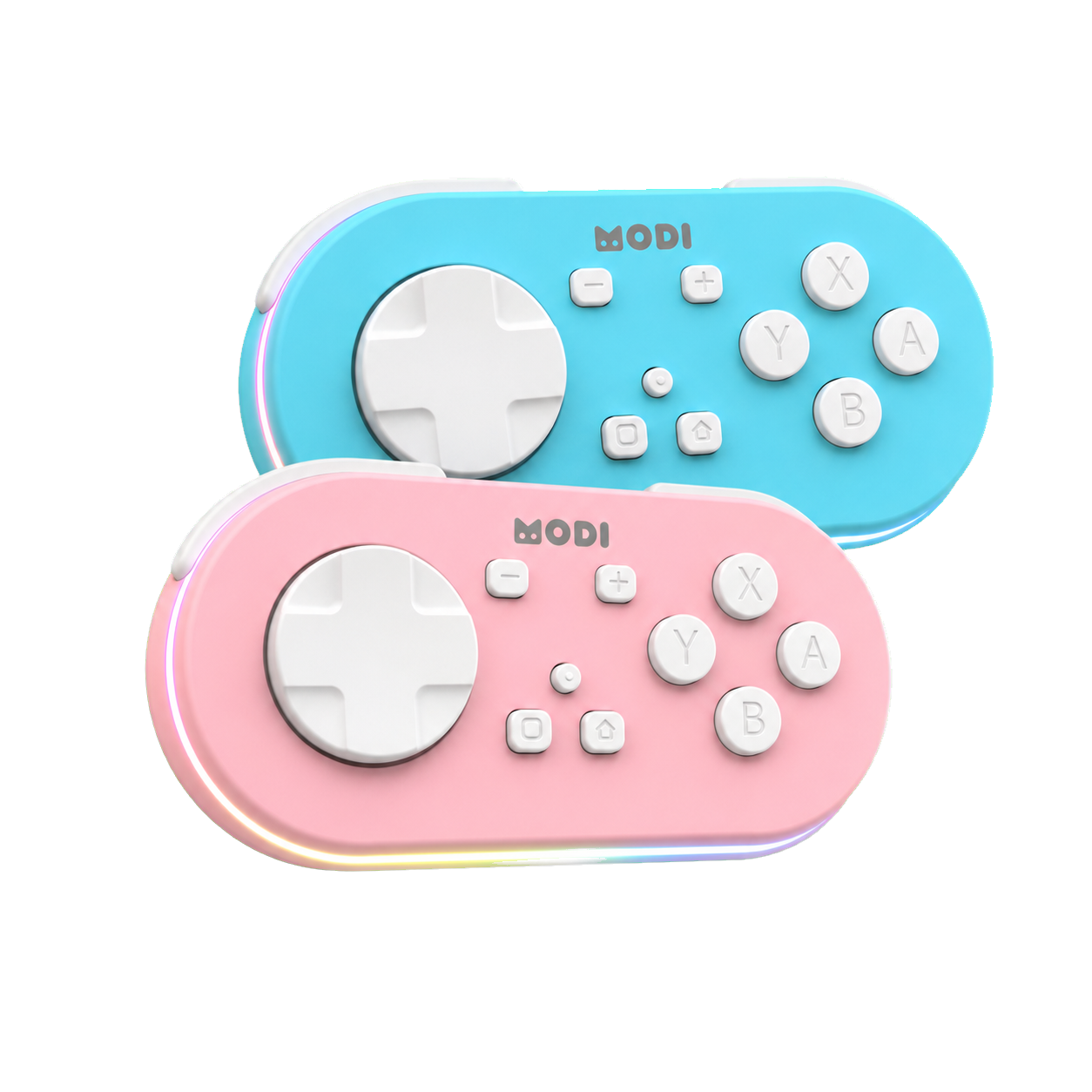
To change a MODI Anki remote from Switch Mode to Keyboard Mode, remove the saved MODI or Anki remote Bluetooth entry first, then pair again with A plus Home. Open Bluetooth settings on the desktop computer, forget the old controller entry, hold A + Home for one second, and choose MODI when it appears. A successful Keyboard Mode connection is confirmed when the center LED turns solid green. That reset matters because each mode is stored as a different Bluetooth profile.
To change a MODI Anki remote from Switch Mode to Keyboard Mode, remove the saved MODI or Anki remote Bluetooth entry first, then pair again with A plus Home. Open Bluetooth settings on the desktop computer, forget the old controller entry, hold A + Home for one second, and choose MODI when it appears. A successful Keyboard Mode connection is confirmed when the center LED turns solid green. That reset matters because each mode is stored as a different Bluetooth profile.
This article focuses on moving from the gamepad-style Switch Mode workflow back to the desktop Keyboard Mode workflow. MODI is an independent Bluetooth accessory for Anki review workflows, not an official Anki product or a device made by Anki. Keyboard Mode is intended for macOS, Windows, and Linux desktop use with preset keybindings, and it does not require the optional MODI desktop add-on for the default review controls. For the broader setup path, use complete MODI setup tutorial after this mode change.
Why Forget First
Switch Mode and Keyboard Mode do not behave like a simple in-app preference toggle. Switch Mode exposes gamepad-style inputs, while Keyboard Mode sends preset keyboard inputs for desktop use. Because the computer may keep the old saved Bluetooth profile, trying to reconnect without forgetting the previous entry can leave the remote connected in the wrong mode or connected but unresponsive. Removing every saved MODI or Anki remote entry gives the desktop a clean pairing attempt instead of reusing stale connection data.
This is also the preferred starting point when moving the remote to a different phone, tablet, or computer. Bluetooth settings can store more than one remembered entry, especially after testing both modes or pairing with several devices. Do not rely only on turning Bluetooth off and on. Open the host device’s Bluetooth list, remove the saved MODI entries you can find, and then begin the Keyboard Mode pairing sequence from the remote itself.
Before Pairing
Start with the remote awake and close enough to the desktop computer for normal Bluetooth pairing. If it has been idle, press Home to wake it. MODI automatically sleeps after about 2.5 minutes without a Bluetooth connection or about 5 minutes of inactivity, so a remote that seemed visible earlier may need to be awakened before the computer can discover it again. If you intentionally want to power it down, holding Home for 3 seconds puts the remote to sleep.
Check the battery state only through the documented LED behavior. A quickly flashing red LED means low battery, a flashing green LED means charging, and the charging LED turns off when charging is complete. Do not infer a battery percentage from other decorative lighting patterns. If you are troubleshooting a mode change and the remote appears inconsistently, charge it first, then repeat the forget-and-pair process. Keeping decorative lighting off when it is not needed can help preserve practical battery life.
Pair Keyboard Mode
After the old Bluetooth entry is removed, open Bluetooth settings on the desktop computer and keep that panel visible. Hold A + Home on the MODI remote for one second. This is the documented Keyboard Mode pairing shortcut. When MODI appears in the Bluetooth device list, select it and allow the computer to complete the connection. Do not use Y + Home for this step, because that starts Switch Mode rather than Keyboard Mode.
The confirmation signal is the center LED becoming solid green after the connection succeeds. Treat that green light as the mode confirmation for this workflow. If the center LED is solid blue instead, the remote connected in Switch Mode, not Keyboard Mode. In that case, remove the saved Bluetooth entry again and repeat the A + Home pairing sequence. The goal is a fresh desktop connection that clearly lands on the Keyboard Mode profile before you test controls in Anki.
Test Shortcuts
Once the center LED is solid green, run a simple desktop shortcut test before changing any Anki settings. Open desktop Anki to a review screen where keyboard controls are available. Space or Enter should reveal the answer or choose Good when appropriate, and number keys 1 through 4 correspond to answer buttons when those buttons are present. MODI Keyboard Mode also includes preset inputs for Again, Hard, Good or Next, Easy, Undo, Suspend, Escape, Spacebar, and direction-key navigation.
This test separates the remote’s mode from the app’s review state. For example, a shortcut may do nothing if Anki is not focused, if no review card is active, or if the current screen does not accept that command. First confirm that the same keyboard action works from the computer keyboard. Then press the matching MODI control. If the computer keyboard works but the remote does not, return to Bluetooth forgetting and pairing before changing Anki preferences or installing optional tools.
About Add Ons
Keyboard Mode’s default desktop workflow does not require the MODI Anki add-on. That distinction matters when troubleshooting, because installing or configuring the add-on will not fix a remote still connected through the wrong Bluetooth mode. The optional add-on is for desktop users who want custom remapping through MODI’s Anki menu. For the straightforward desktop change from Switch Mode to Keyboard Mode, the priority is the saved Bluetooth profile, the A + Home shortcut, and the solid green LED.
If you already use the optional add-on, remember that desktop Anki add-ons extend Anki and may need updates after Anki changes. That is separate from the Bluetooth pairing state. You can verify Keyboard Mode first with the desktop shortcut test, then adjust custom mappings if your workflow uses them. If default Keyboard Mode shortcuts work but an add-on mapping does not, troubleshoot the add-on configuration separately instead of repeatedly changing the remote mode.
If It Fails
If MODI connects but remains unresponsive after a fresh Keyboard Mode pairing, restart the host computer and try again. This step is documented because host-device Bluetooth behavior can leave a connection in a bad state even after the visible device entry has been removed. After restarting, forget any MODI entry that reappears, hold A + Home for one second, select the remote again, and wait for the center LED to become solid green before testing shortcuts.
Avoid assuming every failure comes from the remote itself. Bluetooth state, saved pairings, battery condition, app focus, and Anki’s current screen can all affect what you see. Work in order: charge if needed, forget the old entries, pair with A + Home, confirm the solid green LED, test a known desktop shortcut, then restart the computer if the fresh pairing still does not respond. That sequence keeps the diagnosis narrow and avoids changing unrelated Anki or system settings.
Sources and product references
This first-party MODI guide was checked against the current product manual and relevant app documentation. App menus and third-party behavior can change after publication.