
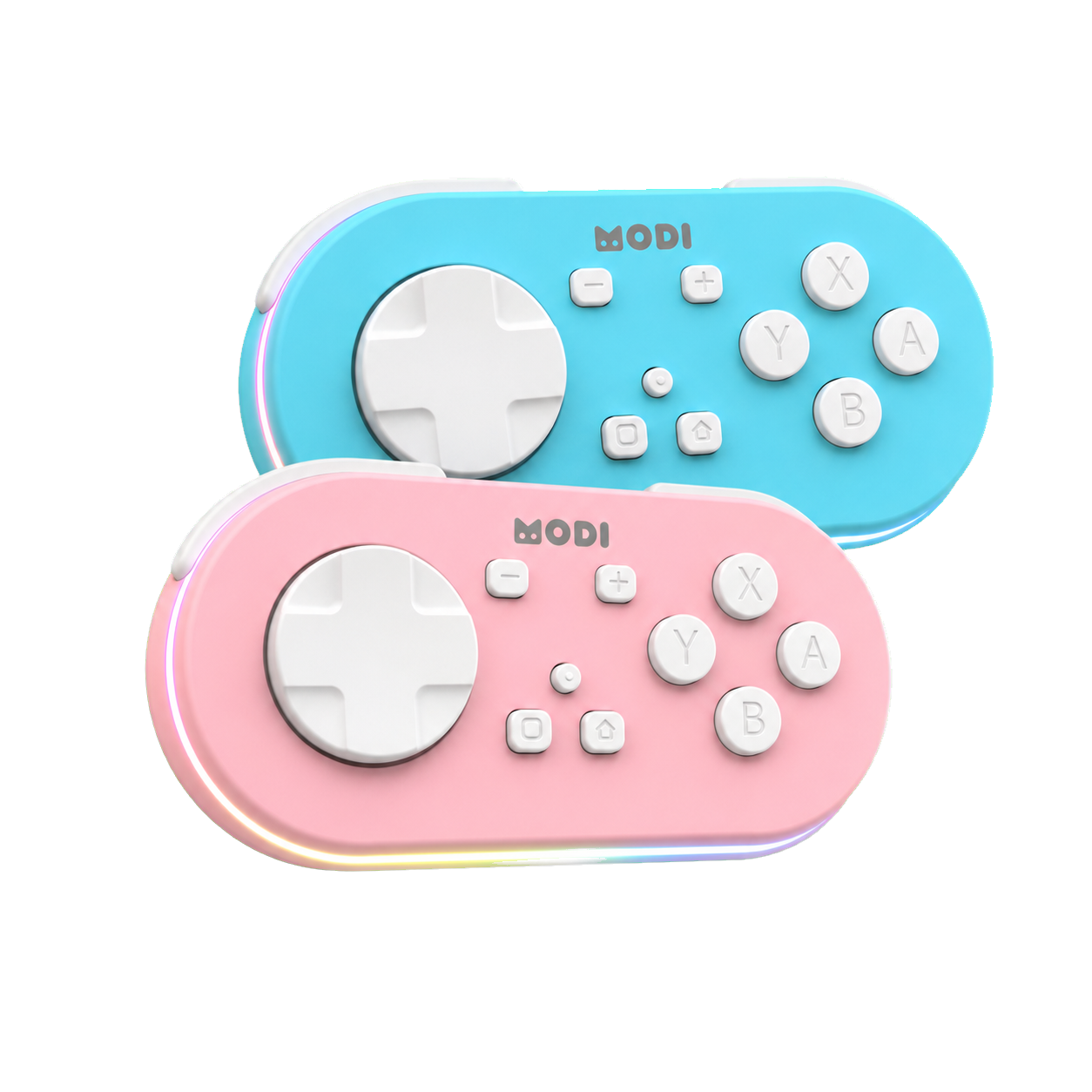
In AnkiDroid, remote controls are assigned from Settings, then Controls, then Set Key Binds. For the standard MODI Anki remote setup on Android, pair MODI in Switch Mode so AnkiDroid can see gamepad-style inputs, then use that menu to attach each button press to the review action you want. MODI is an independent Bluetooth accessory, while AnkiDroid supplies the action list and stores the key-bind choices inside the app.
In AnkiDroid, remote controls are assigned from Settings, then Controls, then Set Key Binds. For the standard MODI Anki remote setup on Android, pair MODI in Switch Mode so AnkiDroid can see gamepad-style inputs, then use that menu to attach each button press to the review action you want. MODI is an independent Bluetooth accessory, while AnkiDroid supplies the action list and stores the key-bind choices inside the app.
A practical setup should be simple: connect the remote, open the key-bind menu, assign one action at a time, then confirm the choices on a test card before starting a real review session. If you need the broader pairing sequence first, use the complete MODI setup tutorial and return to this AnkiDroid-specific pass once the remote is connected. The goal here is not every possible shortcut, but a reliable Controls-menu validation process.
Controls
AnkiDroid keeps remote and keyboard input choices in its Controls settings, so that is the place to check when a connected remote does not perform the expected review action. Open AnkiDroid, go to Settings, choose Controls, and look for Set Key Binds. That path matters because Bluetooth pairing only makes Android aware of the device; it does not automatically decide what a particular button should do inside AnkiDroid.
This distinction prevents a common troubleshooting mistake. MODI can provide the input in Switch Mode, but AnkiDroid decides whether that input means Again, Good, replay audio, undo, or another available command. If the remote is connected yet nothing useful happens during review, do not assume the Bluetooth connection failed first. Check whether the relevant button has been assigned in Set Key Binds, and whether the selected action matches the screen you are testing.
Mode
For Android, use MODI in Switch Mode for the standard mobile workflow. Switch Mode exposes gamepad-style inputs, which is the profile used for AnkiDroid key binding. Pairing in another mode can change what Android and AnkiDroid receive, which makes the Controls menu harder to interpret. If you are starting fresh, confirm that the remote was paired for the Android workflow before spending time changing individual actions.
When changing modes or moving the remote from another phone, tablet, or computer, the preferred starting point is to forget saved MODI or Anki remote Bluetooth entries and pair again in the desired mode. That clears stale connection records that can confuse testing. If the remote appears connected after fresh pairing but still stays unresponsive in AnkiDroid, restart the Android device, reconnect, and then return to Settings, Controls, Set Key Binds.
Binding
Inside Set Key Binds, choose the AnkiDroid action first, then press the MODI button you want to use for that action. Repeat the process for the commands you actually use during review. Keep the first pass limited to core actions so validation stays clear: reveal or choose Good, mark Again, choose Hard or Easy when available, replay audio if relevant, and undo if you intentionally want that command reachable.
Avoid assigning many buttons at once before testing. If two actions feel wrong later, it becomes harder to know which binding caused the problem. A cleaner method is to bind one command, test it, then add the next. AnkiDroid’s available action list belongs to AnkiDroid, not MODI, so choose from what the app presents instead of expecting every desktop Anki shortcut or every MODI desktop add-on option to appear on Android.
Labels
AnkiDroid can show a third-party display mapping issue where X-Y-B-A inputs appear as Y-X-A-B in the menu. Treat that as a visual label mismatch, not automatic proof that the remote is sending unusable inputs. The important question is whether the command you assign fires correctly during review. If a label looks unexpected, complete the assignment anyway, then validate it on a card before changing several settings.
A simple way to handle the mismatch is to think in terms of physical buttons and observed behavior. Press the button you plan to use, assign the desired AnkiDroid action, and write down the result if you are configuring several buttons. If the app’s label differs from the printed button name, trust the test card behavior over the label. The assigned command can still function normally despite the menu’s displayed name.
Testing
Use a test card before you rely on the setup in a real study deck. Open a review screen where the action you assigned is available, press the configured button once, and observe the result. For example, a reveal or Good-style action should advance according to AnkiDroid’s current review state, while replay audio only gives useful feedback on a card that has audio available.
Test each command in the state where it is supposed to work. Some actions only make sense before the answer is shown, after answer buttons are visible, or when media exists on the card. If a button appears inactive, try the same command on a card state that supports it before rebinding. This keeps app-state limits separate from Bluetooth or remote problems, which makes the next troubleshooting step much clearer.
Troubleshooting
If a configured button does not work, move through the chain in order: battery state, Bluetooth connection, mode, AnkiDroid binding, then card-state testing. A low remote battery can show as a quickly flashing red LED, while pairing and app configuration are separate issues. Do not infer battery percentage from LED patterns beyond what the manual defines. Charge first if the device appears low, then repeat a controlled button test.
If the remote wakes and Android says it is connected, but AnkiDroid still does not react after clean bindings, forget the saved Bluetooth entry, pair again in Switch Mode, restart the Android device if needed, and recheck Set Key Binds. That sequence addresses stale pairings without blaming one component too early. MODI supplies the controller input; Android handles the Bluetooth profile; AnkiDroid maps that input to review actions.
Sources and product references
This first-party MODI guide was checked against the current product manual and relevant app documentation. App menus and third-party behavior can change after publication.