
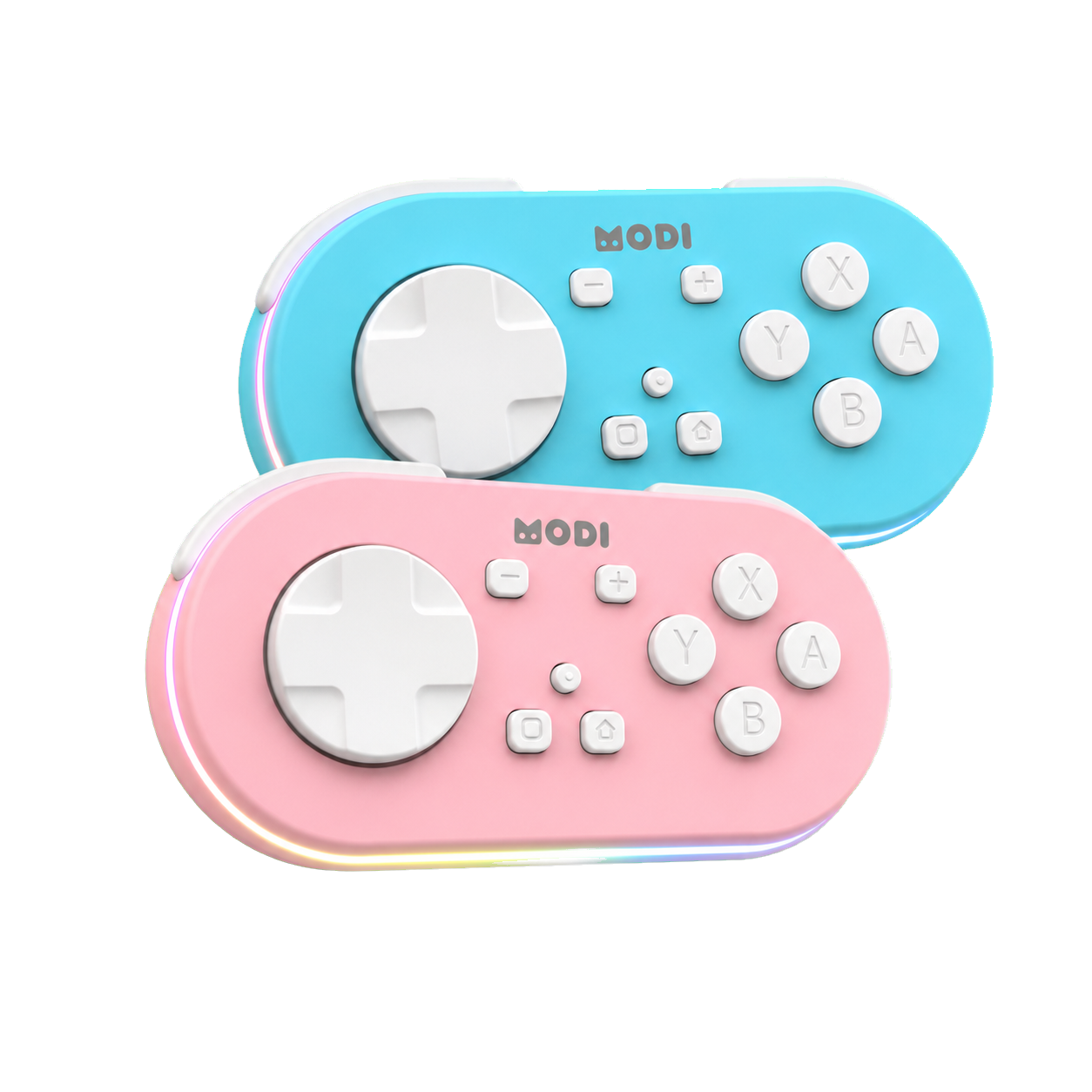
To map Undo and Suspend on an AnkiDroid remote, pair MODI in Switch Mode, open AnkiDroid's Controls settings, then assign those actions in Set Key Binds. Put Undo where it is reachable but difficult to press by accident, and place Suspend behind a deliberate button choice because it changes what happens to the current card or note. Treat these as secondary controls, below your daily answer buttons, then confirm each bind in a short review test.
To map Undo and Suspend on an AnkiDroid remote, pair MODI in Switch Mode, open AnkiDroid’s Controls settings, then assign those actions in Set Key Binds. Put Undo where it is reachable but difficult to press by accident, and place Suspend behind a deliberate button choice because it changes what happens to the current card or note. Treat these as secondary controls, below your daily answer buttons, then confirm each bind in a short review test.
MODI is an independent Bluetooth accessory for review workflows, not an official AnkiDroid product or a device certified by AnkiDroid. On Android, the standard MODI setup uses Switch Mode because it exposes gamepad-style inputs that AnkiDroid can bind inside its own controls menu. MODI provides the input signal, while AnkiDroid decides which review command that signal triggers. For the broader pairing path before you reach key binding, use complete MODI setup tutorial as the setup reference.
Start In Switch Mode
Begin with the remote in Switch Mode before you try to assign Undo or Suspend. Open Android Bluetooth settings, hold Y + Home for one second, and select the MODI connection when it appears. After a successful Switch Mode connection, the center LED becomes solid blue. That blue light matters because Keyboard Mode sends preset keyboard inputs, while the Android keybind workflow depends on the gamepad-style profile that AnkiDroid can listen for inside its controls settings.
If the remote was previously paired in another mode, remove every saved MODI or Anki remote entry from Bluetooth settings first. Then repeat the Switch Mode pairing steps from the beginning. This forget-and-repair process is also the preferred starting point when moving the remote from another phone, tablet, or computer. If MODI connects but remains unresponsive after a fresh pairing, restart the Android device and try again before changing a long list of AnkiDroid settings.
Find The Keybind Menu
Once Android sees the controller, open AnkiDroid and go to Settings, then Controls, then Set Key Binds. That is the app-side place to connect remote inputs with review actions. MODI does not override AnkiDroid’s control system, and the remote cannot assign Suspend or Undo by itself. You are choosing which AnkiDroid command should run when AnkiDroid receives a particular gamepad-style input from the already paired remote during review.
Expect one Android-specific wrinkle while assigning buttons. Due to a third-party display mapping issue, X-Y-B-A inputs can appear as Y-X-A-B inside the AnkiDroid menu. This is a visual label mismatch, not proof that the remote is paired incorrectly. Press the physical button you intend to use, watch which entry AnkiDroid records, and test the resulting command in review. The label may look shifted, but the assigned command can still function normally.
Prioritize Review Answers
Undo and Suspend should usually sit below the answer buttons in priority. The buttons you press constantly for Again, Hard, Good, and Easy deserve the simplest positions because they carry the main review flow. Undo is important, but it is a recovery action. Suspend is even more deliberate because it removes the current card, or possibly the related note depending on the app action selected, from normal handling until you choose otherwise.
A practical layout keeps high-frequency answers on the easiest buttons and moves secondary actions to inputs that require more intention. With MODI’s recommended vertical orientation, the D-pad faces down, so think in terms of what your thumb reaches naturally and what requires a clearer decision. Avoid placing Suspend beside your most repeated answer if the neighboring button could be pressed during routine review. The goal is not speed claims; it is reducing ambiguous command placement.
Place Undo Carefully
Undo deserves a button you can reach quickly after a mistaken answer, but it should not sit where normal review pressure makes accidental presses likely. Many users treat it as a secondary action near, but not inside, the core answer cluster. That makes the command available when an answer was tapped too soon while keeping it separate from the repeated choices that drive most reviews. Test that placement before you commit to it.
When binding Undo, assign one physical input, exit the settings screen, and try it in a controlled review moment after answering a card. Confirm that AnkiDroid reverses the expected previous action, then continue with a few ordinary answer presses to see whether your thumb drifts into the Undo button unintentionally. If you trigger Undo during normal answering, move it farther away or choose an input that requires a more distinct press.
Place Suspend Deliberately
Suspend should be harder to trigger accidentally than Undo. It is not a normal answer choice, and it can change whether the card or note remains active in your study flow. Use the exact Suspend action that AnkiDroid exposes in its controls list, and read the app’s wording carefully when card and note options are separate. MODI only sends the input; AnkiDroid applies the selected suspend behavior.
Choose a Suspend button that feels deliberate in hand. A shoulder-style input or less central face button can make sense if it separates the command from repeated answer presses. Avoid relying only on the X-Y-B-A label shown in the menu, because the visual mismatch can make a button look like a different face input. Press the physical control you want, record what AnkiDroid captures, and judge the final layout by behavior during testing.
Run A Test Sequence
Use a short test sequence before doing a full review session. First, confirm the remote wakes and reconnects in Switch Mode by pressing Home, then open a review card. Press your normal answer buttons and verify that AnkiDroid responds as expected. Next, answer one card intentionally, press the Undo binding, and confirm the previous action is reversed. Finally, use the Suspend binding on a card you are comfortable changing during the test.
If any command fails, isolate one variable at a time. Check that the center LED is solid blue, confirm Android still lists MODI as connected, revisit Set Key Binds, and remember the possible X-Y-B-A display mismatch. If the controller appears connected but no assigned action responds after repairing, restart the Android device. That sequence keeps the diagnosis focused on mode, Bluetooth state, app binding, and host behavior instead of assuming one cause.
Sources and product references
This first-party MODI guide was checked against the current product manual and relevant app documentation. App menus and third-party behavior can change after publication.