
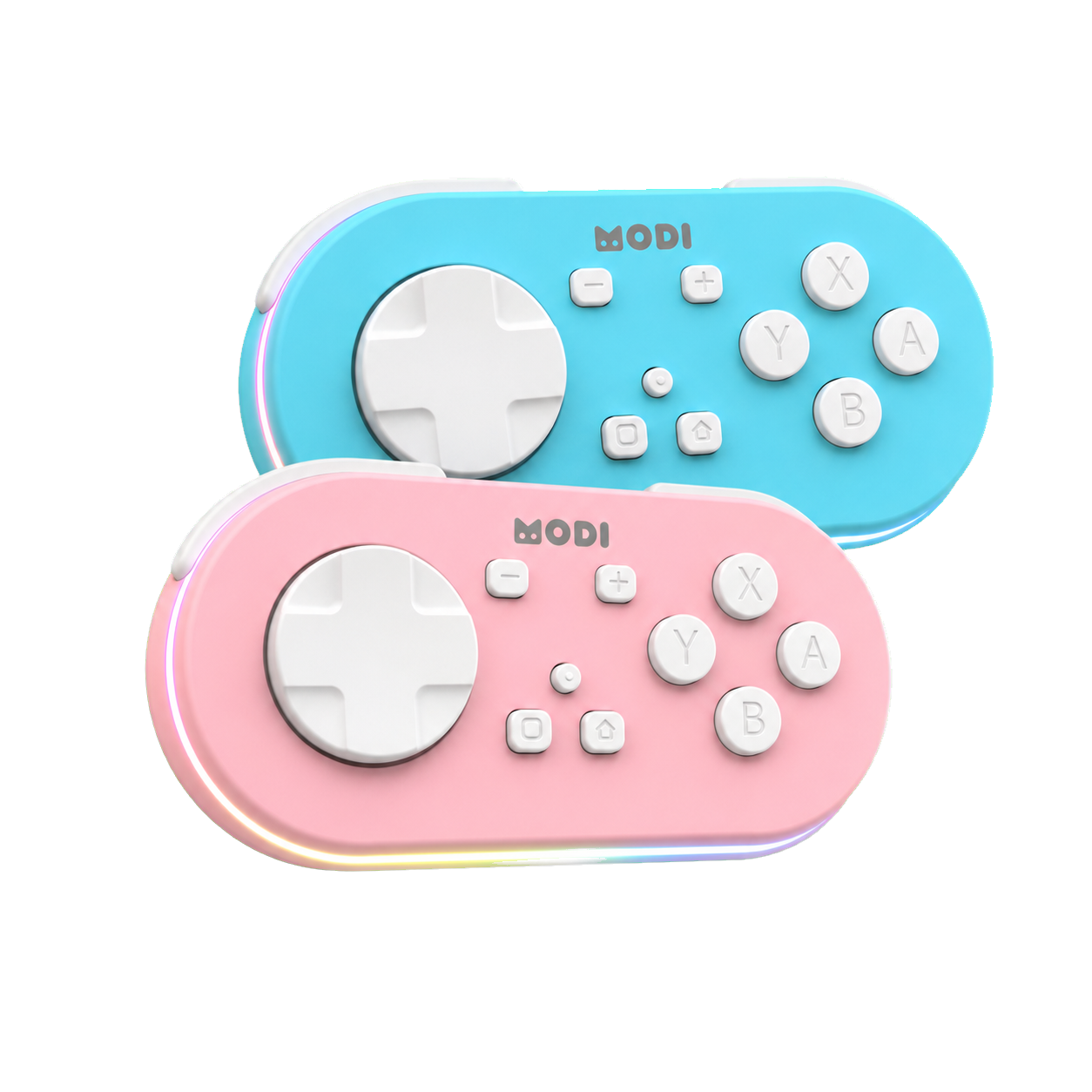
If Anki remote keybinds are not saving, start by checking where the mapping is being stored: in desktop Anki, in the optional MODI add-on, or inside AnkiMobile or AnkiDroid. A failed save can come from the wrong MODI connection mode, closing Anki before applying changes, testing the wrong input, or an add-on that needs attention after Anki changes. MODI is an independent Bluetooth accessory, not an official Anki product or Anki-certified controller.
If Anki remote keybinds are not saving, start by checking where the mapping is being stored: in desktop Anki, in the optional MODI add-on, or inside AnkiMobile or AnkiDroid. A failed save can come from the wrong MODI connection mode, closing Anki before applying changes, testing the wrong input, or an add-on that needs attention after Anki changes. MODI is an independent Bluetooth accessory, not an official Anki product or Anki-certified controller.
For MODI, custom remapping depends on the workflow. Keyboard Mode can run desktop Anki with preset review inputs and does not require the add-on. Switch Mode is the standard path for mobile setup and for desktop users who want custom button assignments through the MODI add-on. If you are unsure which path you used, follow the complete MODI setup tutorial first, then return to the save, restart, and test checks below.
Confirm Mode
Wrong mode is a common reason a mapping seems to disappear. For custom desktop remapping with the MODI add-on, connect in Switch Mode by opening the computer’s Bluetooth settings, holding Y + Home for one second, and selecting the MODI connection. After a successful Switch Mode connection, the center LED should become solid blue. If the center LED is solid green, the remote is in Keyboard Mode, which follows preset keyboard-style inputs instead.
When changing modes, do not rely on the old Bluetooth entry. Forget every saved MODI or Anki remote entry in the device’s Bluetooth settings, then repeat the full pairing process for the intended mode. The same reset is the preferred starting point when moving between a phone, tablet, and computer. If the remote pairs but remains unresponsive after a fresh connection, restart the host device and test again before changing more settings.
Save Deliberately
On desktop, install or open the optional MODI add-on only when you need custom button configuration. The add-on code is 406900239, and the normal path is Tools, Add-ons, Get Add-ons, enter the code, restart Anki, then open MODI Anki Remote from the menu. After editing a button assignment, use the add-on’s save or apply control if shown, then close and reopen the configuration panel to verify the choice persists.
If the setting is still missing after reopening the panel, restart Anki before assuming the remote failed. Add-ons extend desktop Anki, so the running Anki session can matter when settings are first installed or changed. Avoid testing persistence by only pressing the remote during the same configuration moment. First confirm the saved assignment appears after the relevant panel or app restarts, then confirm that the assigned button produces the intended review action.
Test Input
A saved keybind and a working keybind are related but separate checks. After saving, test one button at a time in a review screen where the assigned action is actually available. For example, answer-button actions only make sense when Anki is showing answer choices. If a button is mapped to Undo, Suspend, Escape, Spacebar, or navigation, confirm that the current screen can accept that command before deciding the saved mapping was ignored.
On mobile, use the app’s own control screen for confirmation. In AnkiMobile, connect MODI in Switch Mode, then open Settings, Review, Gamepads and assign actions there. In AnkiDroid, connect in Switch Mode, then open Settings, Controls, Set Key Binds. Because AnkiMobile and AnkiDroid own their action lists, a button may be connected correctly while still needing an in-app assignment that matches the screen you are testing.
Check Labels
AnkiDroid users should watch for a specific label mismatch before rebuilding every setting. Due to a third-party display mapping issue, X-Y-B-A inputs can appear as Y-X-A-B in the AnkiDroid menu. That is a visual label mismatch, not proof that the command cannot work. Assign the action, test the physical button in review, and judge the result by the action performed rather than the printed label alone.
This distinction matters because repeatedly changing labels can create a false troubleshooting loop. If the button performs the action you assigned, the mapping is usable even when the menu label looks swapped. If the button does nothing, return to the basics: confirm Switch Mode, remove old Bluetooth pairings, reconnect, restart the host device if needed, and then set the key bind again inside AnkiDroid’s controls screen.
Update Add-On
If desktop mappings saved before but no longer behave the same after an Anki update, check the MODI add-on next. Anki add-ons extend desktop Anki and may need updates when Anki changes. Open the add-ons area, confirm the MODI add-on is present, check for available updates using Anki’s add-on tools, restart Anki, and then reopen the MODI Anki Remote menu to verify the configured buttons are still listed.
Do not install the add-on as a fix for every issue. Keyboard Mode’s default desktop workflow does not require it, and installing an add-on will not repair an unrelated Bluetooth pairing problem. Use the add-on update check when the problem is specifically custom desktop remapping, when the configuration panel is missing, or when saved assignments stopped applying after software changes. For connection failures, solve pairing and mode first.
Narrow Cause
When a keybind still will not save, isolate one variable at a time. Pick one button, assign one common action, save it, restart the relevant app, and test it on a screen that accepts that action. If that works, expand to the rest of your layout. If it fails, note whether the failure is saving, reconnecting, label display, or action execution. Those are different problems with different next steps.
A practical escalation path is simple: charge the remote if the LED shows low battery, forget old Bluetooth entries, reconnect in the intended mode, restart the host device after fresh pairing if input is unresponsive, update the desktop add-on when custom remapping is involved, and retest. Avoid opening the product, bypassing charging protections, or assuming every issue comes from the remote. Bluetooth state, app settings, and host-device behavior can all affect persistence.
Sources and product references
This first-party MODI guide was checked against the current product manual and relevant app documentation. App menus and third-party behavior can change after publication.