
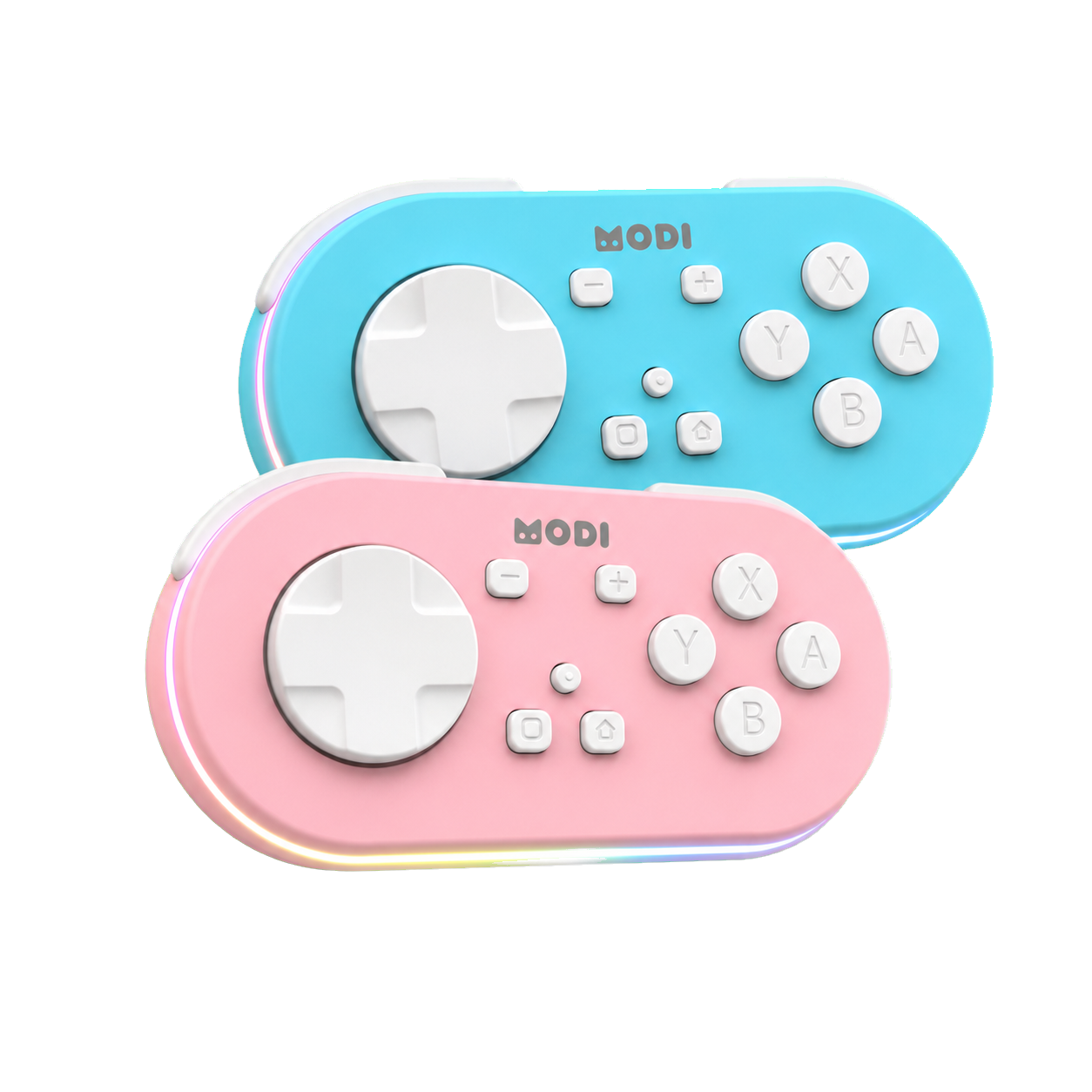
If the MODI Anki plugin is not showing in desktop Anki, first confirm that it was installed with add-on code 406900239, then restart Anki completely. The MODI add-on is optional software for desktop Anki button configuration, so it will not appear in AnkiMobile, AnkiDroid, Quizlet, or a device Bluetooth menu. It also does not need to appear for the default Keyboard Mode review workflow.
If the MODI Anki plugin is not showing in desktop Anki, first confirm that it was installed with add-on code 406900239, then restart Anki completely. The MODI add-on is optional software for desktop Anki button configuration, so it will not appear in AnkiMobile, AnkiDroid, Quizlet, or a device Bluetooth menu. It also does not need to appear for the default Keyboard Mode review workflow.
After a restart, check whether Anki lists the add-on under Tools > Add-ons and whether any warning appears after an Anki update. Add-ons extend desktop Anki, and app changes can sometimes require an add-on update or reinstallation. MODI is an independent Bluetooth accessory, not an official Anki product, so plugin visibility depends on desktop Anki’s add-on system as well as the MODI installation steps.
Confirm The Add-On Code
The MODI desktop add-on code is 406900239. If a different number was entered, Anki may install another add-on or return no useful result, leaving the MODI menu unavailable. In desktop Anki, open Tools > Add-ons > Get Add-ons, enter 406900239, and follow Anki’s installation prompt. This check matters because the Bluetooth remote can pair correctly even when the desktop add-on was never installed.
If you are working from a setup guide, use the current MODI instructions rather than an old note, screenshot, or saved browser tab. The public setup hub at complete MODI setup tutorial is the appropriate starting point when you need the broader sequence. For this specific issue, the add-on code and Anki’s Add-ons screen are the two details to verify before changing Bluetooth settings or remote modes.
Restart Desktop Anki
A common reason the MODI plugin does not show immediately is that desktop Anki has not been restarted after installation. Closing only the Add-ons window is not enough. Quit Anki, open it again, and then look through the application menu for the MODI Anki Remote entry. The restart lets Anki load the newly installed add-on into the desktop application rather than leaving it pending.
If the entry still does not appear, return to Tools > Add-ons and confirm that the MODI add-on remains listed. If it is missing, repeat the install step with code 406900239. If it is present but disabled, enable it and restart Anki again. This sequence keeps the diagnosis focused on Anki’s add-on state before assuming that the remote, Bluetooth pairing, or button mappings are responsible.
Check Desktop-Only Scope
The MODI add-on is for desktop Anki on computers. It is not something that appears inside AnkiMobile on iPhone or iPad, AnkiDroid on Android, Quizlet, or operating-system Bluetooth settings. On mobile, the standard MODI workflow uses Switch Mode and the app’s own control settings, not the desktop add-on menu. A missing plugin on a phone or tablet is therefore expected behavior.
This distinction can save time during setup. MODI can be used as a Bluetooth remote in supported workflows, but the add-on is only one desktop configuration option. Keyboard Mode on macOS, Windows, and Linux has preset inputs and does not require the MODI add-on for the default review actions. Install the add-on only when you want the desktop remapping workflow it provides.
Verify Anki’s Add-On State
When the plugin is installed but not visible where you expect it, inspect the add-on list itself. Open Tools > Add-ons and look for the MODI entry. Anki’s add-on manager is the place to confirm whether the package is installed, enabled, disabled, or producing a startup message. The visible review screen is not a reliable way to judge installation because add-on menu entries can depend on restart and load state.
If Anki reports an error, read the message before changing remote settings. The message may point to an add-on loading problem rather than a Bluetooth problem. If the add-on is listed cleanly, restart Anki once more and open the MODI Anki Remote menu from the application menu. If it is absent from the list, reinstalling with the correct code is the more direct next step.
Consider Anki Update Compatibility
Desktop Anki add-ons extend the main Anki application, so they can be affected when Anki changes. If the MODI plugin disappeared or stopped loading soon after an Anki update, treat compatibility as a real possibility. That does not mean the remote has failed. It means the desktop add-on layer may need an update, reinstall, or a version-specific fix before Anki shows the menu again.
Keep the diagnosis narrow. Confirm the add-on code, confirm that Anki was restarted, and confirm that the issue is happening in desktop Anki rather than a mobile app. Then check whether Anki shows a startup or add-on error. If all of those checks point to compatibility, the next practical step is to use the current MODI manual or support path for add-on guidance instead of repeatedly pairing Bluetooth.
Do Not Confuse Pairing With Plugin Visibility
Bluetooth pairing and desktop plugin visibility are related to the overall setup, but they are not the same thing. Keyboard Mode can connect through the computer’s Bluetooth settings and show a solid green center LED after a successful connection. That connection state does not prove that the desktop add-on is installed. Likewise, a missing add-on menu does not necessarily prove that the remote cannot connect.
Use separate checks for separate layers. For plugin visibility, work in desktop Anki’s Add-ons area, restart behavior, and compatibility messages. For remote response, check the selected mode, saved Bluetooth entries, and whether the app accepts the remote’s current input type. Keeping those paths separate prevents a simple add-on installation issue from turning into unnecessary Bluetooth resets or repeated device switching.
Sources and product references
This first-party MODI guide was checked against the current product manual and relevant app documentation. App menus and third-party behavior can change after publication.